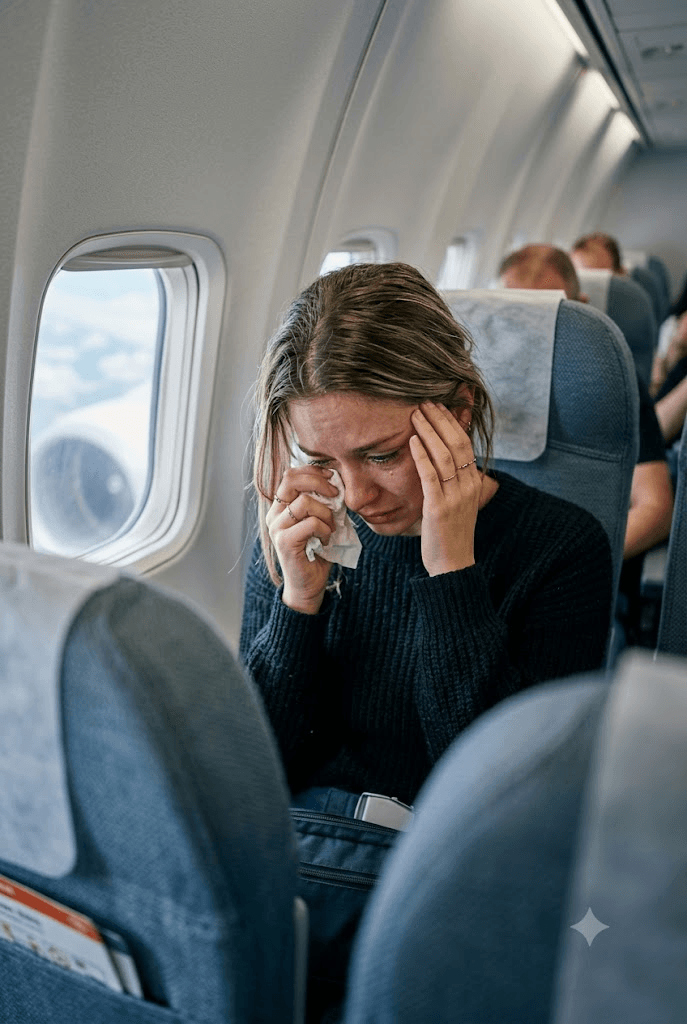

The paradox of modern life is this: we have never been more “connected” — and loneliness has never been more prevalent. In 2023, the US Surgeon General declared loneliness a public health epidemic. The UK appointed a Minister for Loneliness in 2018. These aren’t soft social concerns — they are urgent medical issues. (US Surgeon General, Loneliness Advisory 2023)
Why Are We So Lonely?
The causes are structural as much as personal. Longer working hours. Suburban sprawl that removes third places (the local pub, the community centre, the park). The replacement of face-to-face interaction with digital contact. The decline of religious and civic community. The design of social media to substitute for, rather than facilitate, real connection. (Office for National Statistics, Loneliness UK 2018)
What Loneliness Actually Does to Your Body
Chronic loneliness has the same mortality risk as smoking 15 cigarettes a day. It increases the risk of heart disease, stroke, dementia, depression, and premature death. The pain of social exclusion activates the same brain regions as physical pain — because for our ancestors, social exclusion was life-threatening. (NIH, Social Connection and Mortality)
What Actually Helps
1. Quality Over Quantity
Loneliness is not about the number of social contacts you have — it’s about the depth and quality of those connections. You can be surrounded by people and profoundly lonely. Investing in fewer, deeper relationships is more protective than maintaining many shallow ones. (Journal of Social and Personal Relationships, 2016)
2. Be Vulnerable First
Deep connection requires vulnerability — sharing what’s real, not what’s performable. Many people are equally lonely but waiting for the other person to go first. Be the person who goes first. The risk is real; so is the reward.
3. Pursue Shared Activities, Not Just Conversations
Research on friendship formation shows that shared activities — doing things alongside each other — build connection more effectively than conversation alone. Join a class, a team, a volunteer group. The activity gives you something to be alongside each other in.
4. Reduce Passive Social Media Use
Passive consumption of others’ social media increases loneliness. Active use — directly messaging people, organising meetups — can help. The difference is between watching life and participating in it. (Computers in Human Behavior, 2017)
Final Thought
If you’re lonely, I want you to know: it is not a personal failing. It is the predictable outcome of a society that has systematically dismantled the conditions in which human connection naturally occurs. And it is reversible — one real conversation, one courageous reach-out at a time.
The Difference Between Loneliness and Solitude
It’s important to name a distinction that gets lost in discussions about loneliness: solitude and loneliness are not the same thing, and the difference is entirely internal. Solitude is chosen aloneness that feels nourishing — the introvert’s quiet evening at home, the long walk with your thoughts, the hour of reading before sleep. Loneliness is unchosen disconnection that feels painful — the sense of being unseen, unheard, or not belonging, which can occur in a crowded room just as easily as an empty house.
This distinction matters because our culture has a complicated relationship with both. We often pathologise solitude (labelling people who enjoy time alone as antisocial or depressed) while simultaneously failing to recognise loneliness when it wears a social face. Some of the loneliest people have the fullest social calendars — but none of their interactions feel genuinely connecting.
Why Digital Connection Doesn’t Satisfy
Social media companies have invested billions in understanding human connection psychology — and then engineering platforms that simulate connection without delivering it. Receiving a like or a comment activates the same dopamine pathway as receiving a compliment in person, but without the full register of signals (eye contact, touch, tone of voice, physical presence) that make connection genuinely satisfying. We get a fragment of the reward, which increases craving rather than reducing it.
Research published in the American Journal of Preventive Medicine found that people who used social media most frequently were three times more likely to feel socially isolated than those who used it least. The platforms are extraordinarily effective at creating the sensation of connection while providing very little of its actual substance. This is not an accident — it is the business model.
Practical Ways to Rebuild Real Connection
The solution to loneliness is not simply “talk to more people” — though that helps. It’s about the quality of interaction, not just the quantity. Research by psychologist John Cacioppo, who spent decades studying loneliness, identified the conditions that make connection genuinely satisfying: mutual disclosure, a sense of shared experience, consistent contact over time, and the feeling of being known rather than merely known of. Here’s how to cultivate those conditions in practice.
- Invest in existing relationships first. New friendships take 50+ hours to form, according to research by Jeffrey Hall. You likely already have relationships that, with a small investment of time and depth, could become genuinely connecting.
- Create structure for regularity. The primary reason friendships fade in adulthood isn’t conflict — it’s the absence of automatic structures (school, work teams) that once made contact consistent. A standing monthly dinner or a weekly phone call replaces that infrastructure intentionally.
- Choose depth over breadth. One conversation where you said something true is worth more, neurologically and psychologically, than ten pleasant surface interactions. Practise asking more meaningful questions and answering more honestly than feels comfortable.
- Reduce the friction of reaching out. A significant driver of adult loneliness is the false belief that initiating contact is an imposition. Research shows people consistently underestimate how pleased others are to hear from them. Text the person you’ve been thinking about.
Frequently Asked Questions
Is loneliness the same as depression?
They often co-occur, but they’re distinct conditions. Loneliness is specifically about perceived social disconnection; depression is a broader mood disorder with multiple possible causes. Loneliness frequently contributes to depression, and depression often increases social withdrawal, creating a cycle. If you’re experiencing persistent low mood alongside loneliness, speaking to a GP or mental health professional is worth doing — the two conditions have overlapping but different interventions.
Can you be lonely in a relationship?
Yes — relationship loneliness is well-documented and may actually be more painful than being single and lonely, because it involves the added element of feeling unseen by someone who is supposed to know you. If you feel consistently disconnected within your relationship, that’s worth naming — either directly with your partner or with a couples therapist. The problem is almost always communicable and addressable.
The Courage to Reach Out
If you’ve read this far and recognised yourself in any of it, here is the one practical thing I would ask you to do today: reach out to one person. Not a long message. Not a planned call. Just a text that says you were thinking of them. The research is clear that people dramatically overestimate how awkward this feels and underestimate how much it will mean. Connection is built in these small, slightly uncomfortable moments of initiative. And the epidemic ends one conversation at a time.
Love Jack xoxo

Jack Rylie is a writer and mental health advocate who has spent the past decade exploring resilience, identity, and emotional rebuilding — both as a writer and as someone who has navigated significant personal upheaval. After a career change in his early 30s that coincided with the end of a long-term relationship, Jack spent two years in psychotherapy and became deeply interested in how men process loss, change, and vulnerability in a culture that rarely creates space for it. He holds a Post-Graduate Certificate in Psychology of Mental Health and has contributed to mental health awareness campaigns with several UK-based organisations. His writing draws on clinical research, personal experience, and a long-held belief that honest male vulnerability is not a weakness — it is the foundation of genuine resilience.