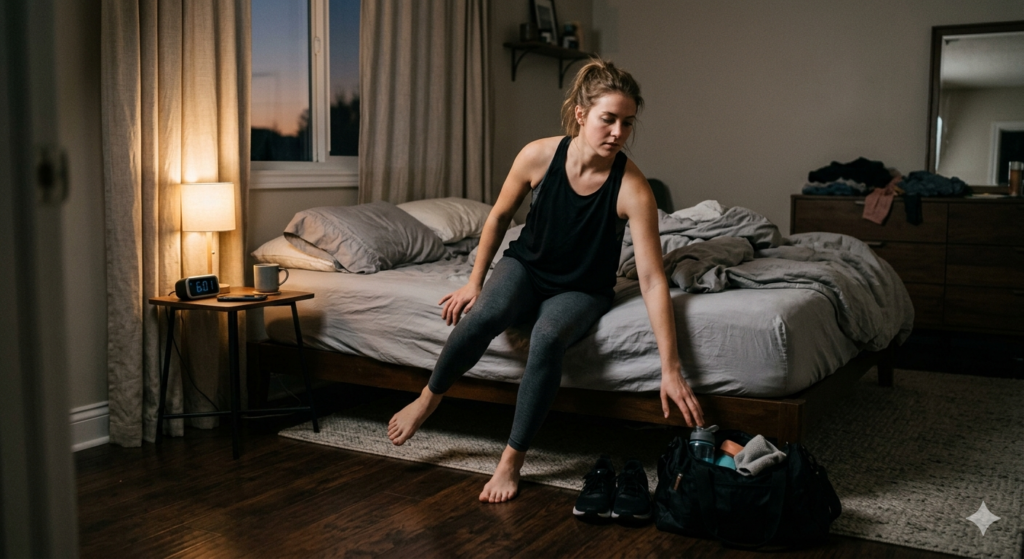
If you have been putting off starting exercising, waiting for the perfect moment, the right gym, the ideal running shoes, or some magical spark of motivation that never quite arrives — this is your sign to start exercising today. Not next Monday. Not after the holidays. Now.
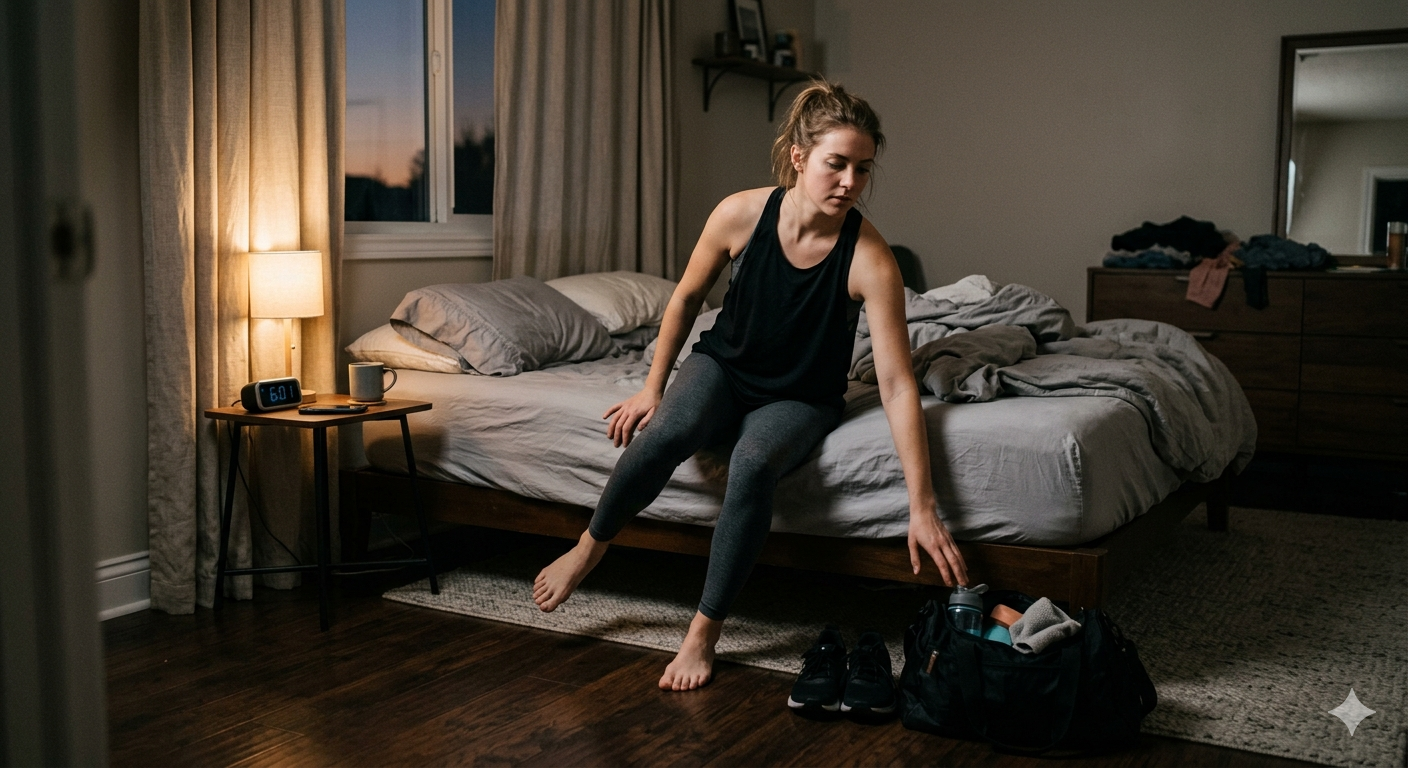
The most common lie we tell ourselves about exercise is that we will start when we feel ready. But readiness, as anyone who has ever built a consistent fitness habit will tell you, does not come before the starting. It comes because of it.
Why You Keep Waiting to Start Exercising
We tend to overcomplicate what it means to start exercising. We imagine we need a gym membership, a personal trainer, a specific plan, or a completely overhauled lifestyle. But the truth is that the most powerful thing you can do for your body and mind is simply to begin moving — in whatever form that takes, for however long you can manage.
Research consistently shows that even small amounts of regular physical activity have profound effects on mental health, energy levels, sleep quality, and long-term health outcomes. You do not need to run a 5K this week. You need to go for a ten-minute walk. If you’re someone who worries about missing sessions, read about why missing a gym session is actually a power move — and stop being so hard on yourself.
The Psychological Barrier to Starting
What stops most people from starting exercising is not lack of time or resources — it is the emotional weight attached to the idea of it. Exercise has been tangled up with body image, with shame, with past failures, with feelings of not being fit enough to deserve to be at the gym. That weight is not yours to carry.
When you start exercising from a place of self-care rather than self-punishment, everything changes. Movement stops being something you owe the world and starts being something you give to yourself. This mindset shift is part of a wider practice of self-care for busy women — prioritising your wellbeing rather than running on empty.
How to Actually Start Exercising Today
The simplest approach to starting exercising is to lower the bar dramatically. Commit to ten minutes. Walk around the block. Do some stretches in your living room. Follow a beginner yoga video on YouTube. The barrier to entry is only as high as you make it.
Once you begin, momentum builds naturally. The body adapts. Energy increases. Sleep improves. And most importantly, the story you tell yourself — “I am someone who does not exercise” — begins to change. That identity shift is the real transformation. Pair your new exercise habit with mindful morning routines and you’ll amplify the results dramatically.
Your body has been waiting for this. You do not need to be better prepared. You do not need to lose weight first or get fitter before joining a class. You need to start, imperfectly, today. That is how every consistent exerciser in the world began.
This is your sign to start exercising. Take it.
Your Sign to Start Exercising: How to Actually Begin
Most people who struggle to build an exercise habit aren’t lacking motivation — they’re lacking a system that accounts for the reality of their life. The gym at 6am sounds great in theory. In practice, three weeks in, when you’re tired and it’s raining and you slept badly, it feels impossible. The solution isn’t better motivation. It’s a lower barrier to entry.
Start with what is almost embarrassingly easy. Not 30 minutes of cardio. A 10-minute walk after dinner. Or 15 minutes of stretching in your living room while a show is on. Or three sets of bodyweight squats before you get in the shower. The specific exercise matters far less than the habit of moving your body in some form, on most days, for long enough that it becomes normal. Once normal, you build from it. Research on habit formation shows that “tiny habits” — behaviours small enough to require essentially no willpower — are significantly more successful as long-term behaviour changes than ambitious programmes that collapse under the weight of real life.
Remove friction ruthlessly. Sleep in your gym clothes if you have to. Leave your trainers by the front door. Choose a form of exercise you genuinely don’t hate. If you despise running, running will always feel like punishment, and punishment is not a sustainable motivation. But if you love dancing, or swimming, or a vigorous walk with a podcast, you’ve turned exercise into something you go toward rather than drag yourself to.
The Mental Health Case for Moving Your Body
We talk about exercise almost exclusively in the language of aesthetics and physical health — weight, fitness, disease prevention. But the most compelling case for regular movement, particularly for women, is the mental health one. Exercise is one of the most well-evidenced interventions for anxiety and depression that exists — comparable in some studies to low-to-moderate antidepressants, without the side effects. A single bout of aerobic exercise produces immediate improvements in mood, cognitive function, and stress tolerance that last for hours.
For women specifically, the hormonal dimension is significant. Regular exercise helps regulate cortisol (the stress hormone), improves insulin sensitivity, supports oestrogen balance, and is one of the most effective evidence-based interventions for PMS, perimenopause symptoms, and sleep quality. If you’ve ever noticed that you feel meaningfully better — calmer, more capable, less reactive — on days you’ve moved your body, that’s not placebo. That’s physiology.
If you’re struggling with motivation because poor sleep is leaving you exhausted before you even begin, understanding why sleep deprivation affects your willpower and decision-making may help you see that poor sleep and poor exercise habits are often the same problem, feeding each other.
Frequently Asked Questions
How many times a week do I need to exercise to see benefits?
Current guidelines from both the NHS and WHO recommend at least 150 minutes of moderate-intensity activity per week — roughly 30 minutes on five days — or 75 minutes of vigorous intensity. For mental health benefits specifically, research suggests that even two to three sessions per week produces meaningful improvement. But here’s the honest answer: any movement is better than none. If you go from zero to two 20-minute walks a week, you will feel different. Start there.
What if I hate exercise?
You probably hate the specific type of exercise you’ve been trying, or the conditions under which you’ve been doing it. Almost nobody is inherently opposed to movement — we are biologically designed for it. But “exercise” has been so thoroughly associated with gyms, lycra, performance, and comparison that many people have a strong conditioned aversion to the word itself. Try reframing it as movement rather than exercise, and look for forms you associate with pleasure rather than effort: dancing, gardening, swimming, hiking, a sport you played as a child. The neurological benefits are the same regardless of the packaging.
You Might Also Like
- 7 Self-Care Tips for Busy Women: How to Prioritize Yourself
- The Gym Guilt Reset: Why Missing a Session Is Actually a Power Move
- 7 Mindful Morning Routines to Transform Your Day
- Am I the Problem? 7 Reasons Psychology Might Be Trying to Tell You Yes
- The Emotional Weight Women Carry: How to Manage Stress Without Burning Out
Further Reading

Jack Rylie is a writer and mental health advocate who has spent the past decade exploring resilience, identity, and emotional rebuilding — both as a writer and as someone who has navigated significant personal upheaval. After a career change in his early 30s that coincided with the end of a long-term relationship, Jack spent two years in psychotherapy and became deeply interested in how men process loss, change, and vulnerability in a culture that rarely creates space for it. He holds a Post-Graduate Certificate in Psychology of Mental Health and has contributed to mental health awareness campaigns with several UK-based organisations. His writing draws on clinical research, personal experience, and a long-held belief that honest male vulnerability is not a weakness — it is the foundation of genuine resilience.