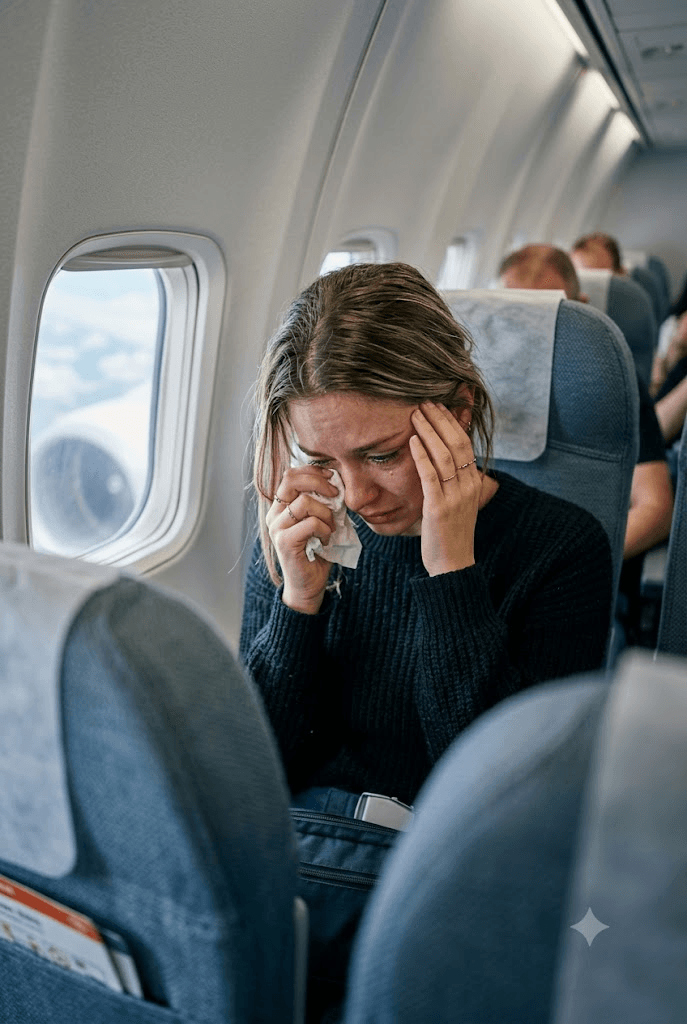
I remember the week it happened to me. I was exhausted, but not the kind of tired that sleep fixes. I was irritable, disconnected, and going through the motions of a life I couldn’t feel anymore. I thought I just needed a holiday. But what I actually had was burnout — a full-scale nervous system collapse that took months to recover from. If I’d known then what I know now about protecting my energy, I could have caught it much earlier.
This guide is what I wish someone had handed me at that point — not generic advice about bubble baths and saying no, but an honest, practical breakdown of what burnout actually is, how it builds up long before you notice, and what genuine recovery looks like. Whether you’re already in it or you can feel yourself heading there, this is for you.
What Burnout Actually Is (It’s Not Just Tiredness)
The World Health Organisation officially classified burnout as an occupational phenomenon in 2019, characterising it by three dimensions: emotional exhaustion, cynicism or depersonalisation, and reduced professional efficacy. In plain English: you’re running on empty, you stop caring, and you can’t perform at your usual level. It’s not laziness. It’s biology — and it’s becoming an epidemic.
What makes burnout so insidious is that it often develops in high-achieving, highly conscientious people — people who care deeply, who push through, who don’t want to let anyone down. The very traits that make you effective also make you vulnerable. You override tiredness because you’re responsible. You ignore warning signs because there’s always more to do. And then one day your body stops asking politely and starts demanding — through illness, emotional shutdown, or a complete inability to function the way you used to.
Understanding that burnout is physiological, not a character failure, is the first and most important reframe. It changes how you respond to it — from shame and self-criticism to the kind of clear-eyed, compassionate action that actually leads to recovery.
1. Recognise the Early Warning Signs
Burnout rarely arrives overnight. It creeps in through warning signs we dismiss as “just a rough patch.” Chronic fatigue that doesn’t improve with rest, increased cynicism, difficulty concentrating, physical symptoms like headaches or getting sick frequently, and a growing sense of dread around work or responsibilities are all red flags. According to research from the Mayo Clinic, catching burnout in the early stages dramatically reduces recovery time. Pay attention to your body. It’s always trying to tell you something.
Other early signs include emotional detachment from things you used to care about, difficulty feeling pleasure or satisfaction even when things go well, increasing reliance on caffeine, alcohol, or screens to manage your state, and a chronic sense of never doing enough no matter how much you accomplish. Many people in early-stage burnout describe feeling like they’re watching their life from behind glass — present in body but absent in every way that matters. If any of these resonate, take them seriously now, before they compound.
2. Audit Your Energy Drains vs. Energy Gains
Not all activities cost the same amount of energy, and not all rest restores the same amount. Do an honest audit: what fills you up, and what depletes you? For many people, meetings, social media, difficult relationships, and constant context-switching are major drains. Sleep, time in nature, creative activities, and meaningful connection are gains. The goal isn’t to eliminate all drains — that’s impossible — but to ensure your life isn’t chronically imbalanced toward depletion.
A useful exercise is to spend one week tracking your energy level before and after activities on a simple 1-10 scale. You’ll likely find patterns you weren’t consciously aware of — certain relationships that reliably leave you depleted, or small activities (a lunchtime walk, fifteen minutes of reading) that restore more than you’d expect. This isn’t about optimising your life into a joyless efficiency machine. It’s about having enough energy in reserve to actually be present for the things and people that matter most to you.
3. Protect Your Non-Negotiable Recovery Time
Recovery time is not optional — it’s physiological. Research published in the National Library of Medicine shows that adequate recovery between periods of effort is essential for maintaining cognitive performance, emotional regulation, and physical health. This means protecting evenings, weekends, and holiday time as genuinely restorative — not catching up on emails at 10pm and calling it “quiet time.” Your brain needs offline periods to consolidate and restore.
The key word here is protect. Recovery time doesn’t happen by accident in modern life — it has to be actively defended against the infinite demands on your attention. That might mean turning off work notifications after a set time. It might mean having a genuine conversation with your manager or partner about what you need. It might mean disappointing people in the short term to avoid completely collapsing in the long term. The permission structure of our culture tells us rest must be earned. Your nervous system doesn’t care about that framing — it just needs genuine downtime to function.
4. Learn to Say No Without Guilt
One of the fastest routes to burnout is the inability to say no. People-pleasing, fear of disappointing others, and a cultural glorification of busyness all contribute to chronically overextended lives. Saying no is not selfish. It’s self-preservation — and ultimately, it’s what allows you to show up fully for the things that matter most. Read more on this in our post about The Power of Saying No: Why Boundaries Are an Act of Love.
If saying no feels impossible, it’s worth examining what’s underneath that. For many people, it’s a deep fear — that they’ll be seen as difficult, or that others will manage without them, and that will prove they weren’t needed in the first place. That fear is worth exploring honestly, whether through therapy, journalling, or simply noticing the moment of panic that arises when you consider declining something. A yes that comes from fear is not generosity. It’s compliance — and it costs far more than the no you were afraid to give.
5. Move Your Body — Even When You Don’t Want To
Exercise is one of the most evidence-based tools for burnout prevention and recovery. Physical movement regulates cortisol (the stress hormone), boosts serotonin and dopamine, and improves sleep quality — all of which are compromised in burnout. You don’t need intense workouts. A 20-minute walk in daylight has been shown by APA-cited research to significantly reduce psychological stress. Make movement a daily non-negotiable, not a reward for productivity.
The challenge in burnout is that motivation is one of the first things to go — which creates a cruel catch-22. You don’t feel like moving because you’re depleted, but moving is one of the things that would help you feel less depleted. The solution isn’t to wait until you feel motivated. It’s to choose movement as a practice regardless of how you feel, starting with the smallest possible version of it. Five minutes outside. A gentle stretch in your living room. Walking to a further coffee shop. Momentum builds from tiny starting points.
6. Reconnect With What You Value (Not What You’re Valued For)
Burnout is often deepest when we feel like we’re losing ourselves in the demands of others. Reconnecting with your own values — what matters to you, not what you’re praised or paid for — is essential to recovery. Journalling prompts like “What would I do if nobody was watching?” or “What did I love doing as a child?” can help you locate the authentic self that gets buried under performance pressure. Your worth is not your productivity. Full stop.
This is more than a feel-good exercise. Research on burnout recovery consistently identifies meaning and values-alignment as central to long-term resilience. People who recover most fully from burnout don’t just rest — they reorganise some part of their life around what genuinely matters to them, even in small ways. That might be carving out one hour a week for something creative. It might be changing the role you play at work. It might be letting go of a commitment that looked impressive but felt hollow. Ask yourself honestly: which parts of your life are you, and which parts are a performance for others?
7. Seek Professional Support When You Need It
There’s no shame in needing help to recover from burnout. A therapist, counsellor, or even a GP can help you develop personalised strategies, rule out clinical depression (which often co-occurs with burnout), and provide the kind of support that blog posts alone cannot. If you’ve been running on empty for months and self-care isn’t cutting it, please reach out to a professional. Asking for help is one of the most courageous things you can do.
In the UK, you can access mental health support through your GP, through organisations like Mind (mind.org.uk), or through private therapists via directories like Psychology Today or the BACP. In the meantime, it’s worth understanding how your physical health is affecting your mental state — the relationship between sleep and cognitive function is one of the most actionable areas to address, and often the first thing a therapist will ask about.
Final Thought
You cannot pour from an empty cup — and you shouldn’t have to try. In a world that rewards relentless output, choosing to protect your energy is a radical act. It’s also the only sustainable way to live, create, and love well. You matter too much to burn out quietly. Start protecting yourself today — before your body forces you to.
Love Jack xoxo
Related Articles
- How Your Morning Routine Is Secretly Determining Your Entire Day
- Why Self-Care Isn’t Selfish — It’s the Most Generous Thing You Can Do
- The Science of Sleep: Why 6 Hours Is Never Enough

Jack Rylie is a writer and mental health advocate who has spent the past decade exploring resilience, identity, and emotional rebuilding — both as a writer and as someone who has navigated significant personal upheaval. After a career change in his early 30s that coincided with the end of a long-term relationship, Jack spent two years in psychotherapy and became deeply interested in how men process loss, change, and vulnerability in a culture that rarely creates space for it. He holds a Post-Graduate Certificate in Psychology of Mental Health and has contributed to mental health awareness campaigns with several UK-based organisations. His writing draws on clinical research, personal experience, and a long-held belief that honest male vulnerability is not a weakness — it is the foundation of genuine resilience.