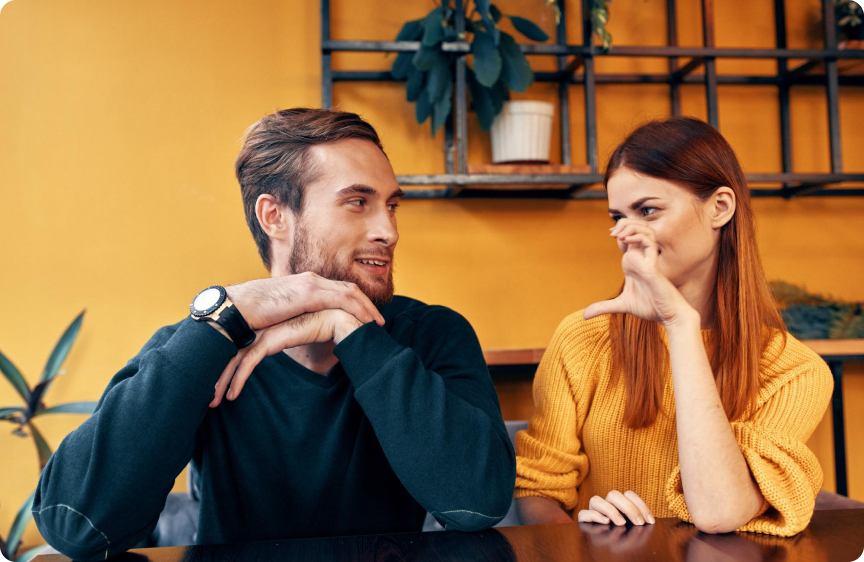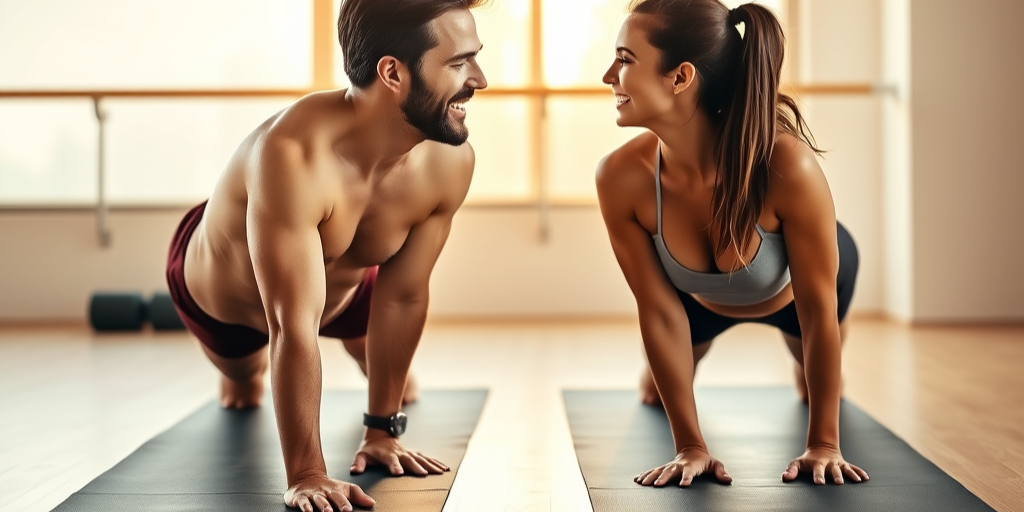
My partner and I started hot Pilates together almost by accident. We were looking for something we’d both actually enjoy doing — not a compromise activity where one of us was quietly dying — and someone suggested it. I was doubtful. He was unconvinced. We went anyway, and came out forty-five minutes later slightly wobbly, unreasonably proud of ourselves, and — unexpectedly — a bit closer than we’d been going in.
It’s become one of our regular things now, and I’ve been curious about why it works so well. It turns out there’s actually a fair bit of psychology behind why exercising together — and particularly challenging exercise together — is good for relationships. Here’s what the research (and our experience) suggests.
What Is Hot Pilates, First of All
For the uninitiated: hot Pilates is traditional Pilates performed in a heated room — typically around 35-40°C with controlled humidity. It combines the core strength, flexibility, and postural work of classical Pilates with the cardiovascular and metabolic benefits of working in the heat. It’s genuinely challenging even for fit people, which — as we’ll get to — is part of why it works so well as a couples activity.
7 Reasons It’s Good for Your Relationship
1. Shared Challenge Creates Genuine Bonding
Research from University of Queensland found that people who complete challenging physical activities together report stronger feelings of closeness and connection than those who engage in routine social activities. The shared experience of something difficult — “we both survived that” — activates bonding mechanisms in ways that comfortable shared activities don’t. Hot Pilates is the right level of challenging for this: hard enough to feel significant, accessible enough to be repeatable.
2. Non-Verbal Synchrony Has Relationship Benefits
Moving in synchrony with another person — matching rhythm, breathing, and physical effort — has been documented by Scott Wiltermuth at USC to increase feelings of affiliation and trust. Pilates involves exactly this: being in the same room, doing the same movements, breathing through the same challenging moments. The non-verbal connection happening during a class is a form of communication that verbal conversation doesn’t replicate.
3. You See Each Other Differently
There is something humanising and intimate about seeing your partner in a challenging physical environment — slightly flushed, working hard, occasionally struggling, occasionally getting something right in a way that’s quietly impressive. It’s a different version of them from the one across the dinner table, and seeing that different version — being allowed to, being present for it — creates a specific kind of intimacy. Healthy relationships are ones where you can be seen in your full humanity, including the sweaty and effortful bits.
4. Shared Ritual Creates Relationship Infrastructure
One of Dr. John Gottman’s consistent findings about successful long-term relationships is the importance of shared rituals — regular, meaningful activities that belong specifically to the two of you. The weekly Pilates class becomes a ritual: a standing time in the week that is yours together, that generates shared conversation (the instructor, the playlist, what you found hard), and that creates the texture of shared life. Relationships are built in the accumulated fabric of exactly these things.
5. Exercise Together Is Good for Both Your Mental Health
The mental health benefits of exercise are extremely well-documented. The benefits of doing it with someone you love — including the mutual accountability, the shared motivation, and the social dimension of the activity itself — add another layer. You’re both more likely to show up when the other one is expecting you. You’re both getting the endorphin and serotonin benefits. And you come out of it in a better mood than you went in, which makes whatever time you spend together afterwards feel lighter and more connected.
6. The Vulnerability of New Things Is Connecting
There’s something in the specific vulnerability of being a beginner together — of both being slightly uncertain, slightly awkward, slightly reliant on each other’s encouragement — that creates connection. The walls we normally maintain around competence and performance come down in a new activity in a way they don’t in the areas where we feel established. Vulnerability is one of the most reliably connecting human experiences — and a challenging new fitness class is a surprisingly effective way to access it together.
7. It Gives You Something to Talk About Beyond Logistics
Long-term relationships can quietly reduce their conversational territory to logistics — the children, the house, the calendar, the finances. Shared activities generate entirely new conversational content: the class that was particularly hard, the progression you’ve noticed in each other, the instructor you both have strong opinions about. It’s small, but it matters. New shared experience keeps conversation alive in ways that shared routine doesn’t.
Looking after your relationship — investing in shared experience, staying curious about each other, finding ways to remain genuinely connected through the inevitable busyness of life — is one of the most important things you can do for your overall wellbeing. Balancing your individual needs with your shared life is the ongoing project of any good partnership.
Frequently Asked Questions
What if one of us is much fitter than the other?
Pilates — including hot Pilates — is highly scalable, and good instructors offer modifications for different fitness levels throughout each class. The beauty of it as a couples activity is that you’re not competing or comparing — you’re each working within your own body’s current capacity, in the same space, towards the same challenge. The fitness difference becomes largely irrelevant within a few classes.
Is hot Pilates safe for everyone?
Hot Pilates is not recommended for people who are pregnant, who have cardiovascular conditions, or who are new to exercise without medical clearance. The heat intensifies the cardiovascular demand significantly. If you have any health conditions or concerns, speak to your GP before starting. For generally healthy adults, it’s safe when approached sensibly — staying hydrated, not overexerting, and listening to your body.
What if one of us hates it?
Try three classes before deciding. The first class of any new physical activity is often the worst — your body doesn’t know what to expect, the format is unfamiliar, and the discomfort of the heat can be distracting before you’ve adapted to it. Many people who feel neutral or negative after session one feel very differently by session three. If after a genuine trial one of you still genuinely hates it, find something else. The activity matters less than the principle: finding something challenging and enjoyable that you do together.
Sources & further reading: Healthline: Benefits of Pilates | NCBI: Exercise and Relationship Satisfaction | Psychology Today: Relationships.

Rubie Le’Faine is the founder of Rubie Rubie and a writer specialising in emotional well-being, self-identity, and the psychology of modern relationships. She holds a Level 3 Certificate in Counselling Skills and has spent over eight years studying attachment theory, cognitive behavioural principles, and human development — first through formal study, then through lived experience that no course can replicate. After navigating a significant relationship breakdown, an identity rebuild, and the complex terrain of rediscovering herself in her 30s, Rubie began writing to make sense of what she had learned and to offer honest, human guidance to others going through the same. She founded Rubie Rubie in 2022 as a space for women seeking real answers, not platitudes. Based in Surrey, UK, her writing is grounded in research, shaped by experience, and centred entirely on the reader’s genuine wellbeing.