When you start listening to the podcasts, watching the documentaries, or reading the deep dives into microplastics, a strange thing happens. Suddenly, your kitchen feels like a minefield. You look at your kettle, your gym leggings, and your leftover containers with a new sense of dread. The weight of the “plastic crisis” can feel suffocating, making every daily choice feel like a life-or-death decision for the planet.
Firstly, take a breath. Being educated is a superpower, but it shouldn’t be a source of constant anxiety. You have the power to pivot whenever you are ready. Secondly, let’s address the elephant in the room: plastic is affordable. In a world where the cost of living is soaring, “plastic-free” often feels like a luxury for the rich.
This is a soft guide. It is okay to take your time. You don’t need to replace everything today. Here are 7 ways to reduce plastic in the household at your own pace, backed by data that explains the “why” without the “guilt.”
1. Swap Your Toothbrush (The Low-Hanging Fruit)
Every plastic toothbrush ever made still exists somewhere on this planet. Because they are made of a mix of plastic, rubber, and nylon, they aren’t recyclable. Switching to a bamboo handle is one of the easiest ways to reduce plastic in the household.
- The Data: According to National Geographic, 1 billion plastic toothbrushes are thrown away every year in the US alone.
- The Pivot: When your current brush frays, buy a bamboo one. It’s a small, $5 investment that prevents a lifetime of plastic waste.
2. Evaluate Your Cooking Utensils
When plastic spatulas or slotted spoons are heated, they can release chemicals and microplastics directly into your food. This is especially true for black nylon utensils, which are often made from recycled electronic waste containing flame retardants.
- The Research: A study published in the journal Environment International suggests that heat significantly increases the migration of chemicals from plastic into food.
- The Pivot: Don’t throw them all away now! As they melt or scratch, replace them one by one with stainless steel or FSC-certified wood.
3. The Final Water Bottle Transition
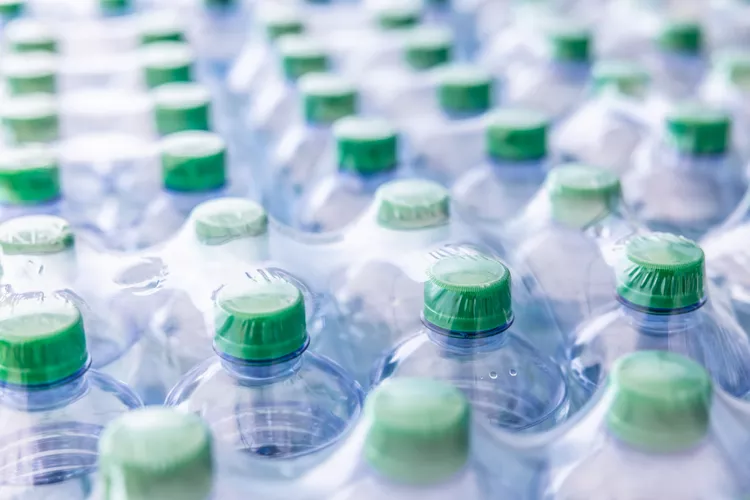
By now, we all know the drill with reusable bottles. However, the focus has shifted from “saving the ocean” to “saving your blood.” New research is showing just how many nanoplastics we ingest from bottled water.
- The Data: Research from Columbia University found that a single liter of bottled water contains an average of 240,000 detectable plastic fragments.
- The Pivot: If you can’t afford an expensive filter, a simple glass jar or a stainless steel bottle is a one-time purchase that keeps those fragments out of your system.
4. Reading the Clothes Label
This is the one that surprises people. Most of our modern “soft” clothes (leggings, fleeces, stretchy jeans) are actually made of plastic (polyester, acrylic, nylon). Every time you wash them, thousands of microfibers enter the water system.
- The Research: The International Union for Conservation of Nature (IUCN) estimates that 35% of all microplastics in the ocean come from the laundry of synthetic textiles.
- The Pivot: You don’t need a new wardrobe. Just start checking labels for cotton, linen, or hemp. When buying new, aim for “natural fibers” to slowly shift your home’s plastic footprint.
5. Conscious Bed Linens
We spend a third of our lives in bed, breathing in the air around our pillows. If your sheets are “microfiber,” you are essentially wrapped in plastic. Synthetic sheets don’t breathe, which can lead to poorer sleep quality and higher body temperatures.
- The Data: A study by The Plastic Soup Foundation highlights that indoor air often has higher concentrations of microplastics than outdoor air, largely due to synthetic home textiles.
- The Pivot: Wait for a white sale and invest in one good set of 100% cotton or bamboo sheets. Your skin and your lungs will thank you.
6. Food Packaging and Storage
The “overwhelm” usually hits hardest in the pantry. Almost everything is wrapped in film. While you can’t control how the supermarket packs pasta, you can control how you store it at home.
- The Research: The Endocrine Society has linked phthalates (found in flexible plastics) to hormonal disruptions.
- The Pivot: Instead of buying expensive matching glass sets, wash out your old jam or pasta sauce jars. They are free, plastic-free, and look beautiful on a shelf.
7. Candles and Fragrances
Many “affordable” candles are made from paraffin wax, which is a petroleum byproduct (essentially liquid plastic). When burned, they can release volatile organic compounds (VOCs) into your living space.
- The Data: The EPA notes that some scented candles can be a source of indoor air pollution.
- The Pivot: Look for soy, beeswax, or coconut wax candles with essential oils. Or, simply open a window—fresh air is the ultimate plastic-free fragrance.
You are doing a great job. Change is a marathon, not a sprint. Every jar reused and every label read is a win for your health and our home. Take your time—you’re worth the wait.
The Hidden Plastics Nobody Talks About
Most conversations about household plastic reduction focus on the obvious: single-use water bottles, shopping bags, straws, takeaway containers. These are worth addressing — but they are also the visible tip of a much larger iceberg. Microplastics — particles smaller than 5mm — have now been found in human blood, breast milk, lungs, and placentas. And while the visible plastics in your kitchen are one source, the less visible sources are often far more significant.
Your washing machine is one of the largest sources of microplastic pollution in the average home. Synthetic fabrics — polyester, nylon, acrylic — shed thousands of microfibre particles with every wash, which pass through water treatment systems and enter waterways. A washing bag designed to catch microfibres (such as the Guppyfriend bag) can reduce this significantly. Washing on lower temperatures and shorter cycles also reduces shedding.
Kettles, pans with non-stick coatings, food storage containers heated in microwaves, and canned foods lined with BPA resins are all significant plastic contact points that rarely feature in mainstream plastic-reduction content. Replacing non-stick cookware with stainless steel or cast iron is one of the highest-impact, lowest-visibility changes a household can make. Stainless steel or glass containers for food storage — particularly for anything warm — remove another significant exposure route.
Starting Where It Matters Most: A Room-by-Room Guide
Kitchen: This is where the biggest gains are. Glass or stainless steel storage containers, wooden chopping boards instead of plastic, cloth produce bags, beeswax wraps instead of clingfilm, and buying loose produce rather than pre-wrapped wherever possible. The single highest-impact change most households can make is switching to a water filter rather than buying plastic-bottled water.
Bathroom: Shampoo and conditioner bars eliminate the two largest plastic bottles in most bathrooms. Bamboo toothbrushes replace four or more plastic ones per person per year. Refillable deodorant and cleanser formats are increasingly widely available from mainstream brands, not just specialist zero-waste retailers. A menstrual cup or period pants replace years’ worth of single-use period products.
Cleaning: Concentrated cleaning tablets dissolved in reusable spray bottles eliminate most plastic cleaning product packaging. Plastic-free dishwasher tablets, washing-up bars, and laundry sheets are now widely available in supermarkets. A single zero-waste cleaning swap often costs no more than its plastic-packaged equivalent once you account for the concentration factor.
If you’re approaching this alongside broader lifestyle and health changes, you might also find it helpful to read about the connection between your environment and your physical wellbeing — because the choices we make about our homes and bodies are more interconnected than they often appear.
Frequently Asked Questions
Is it really worth reducing plastic at home when corporations are the main polluters?
This is a legitimate question, and the frustration behind it is valid. Corporate and industrial plastic pollution dwarfs individual household use, and the “personal responsibility” framing of environmentalism has been deliberately amplified by the very industries that produce the most waste. With that said, household choices are not meaningless — both in direct environmental terms and in the demand signals they send to manufacturers. Perhaps more importantly, reducing plastic exposure in your home has direct health benefits for your family that are entirely within your control regardless of what corporations do. The two concerns — systemic change and personal action — are not in competition.
Where should I start if I’m completely overwhelmed by the scope of it?
Start with one swap — just one. The research on behaviour change consistently shows that starting small and succeeding is more likely to lead to sustained habit formation than ambitious programmes that feel impossible and collapse. The swap with the highest impact and lowest friction for most households is a water filter jug or tap filter to replace bottled water. It saves money, reduces exposure, and requires almost no ongoing effort once established. Do that first. Then, when it’s just normal, look at what’s next.
Love Arlyn xoxo
Arlyn Parker is a wellness and mindfulness writer with a background in holistic health coaching. She completed her practitioner training in mindfulness-based stress reduction (MBSR) and holds a certification in positive psychology from an accredited UK provider. Over six years of working with clients navigating anxiety, burnout, and major life transitions gave Arlyn a front-row seat to what actually helps people create sustainable calm — and what doesn’t. Her own experience with burnout in her late 20s, and the slow, deliberate process of rebuilding her health and habits, is the foundation of everything she writes. Arlyn’s work is not about aspirational wellness — it’s about practical, evidence-informed strategies for people living real, complicated lives.