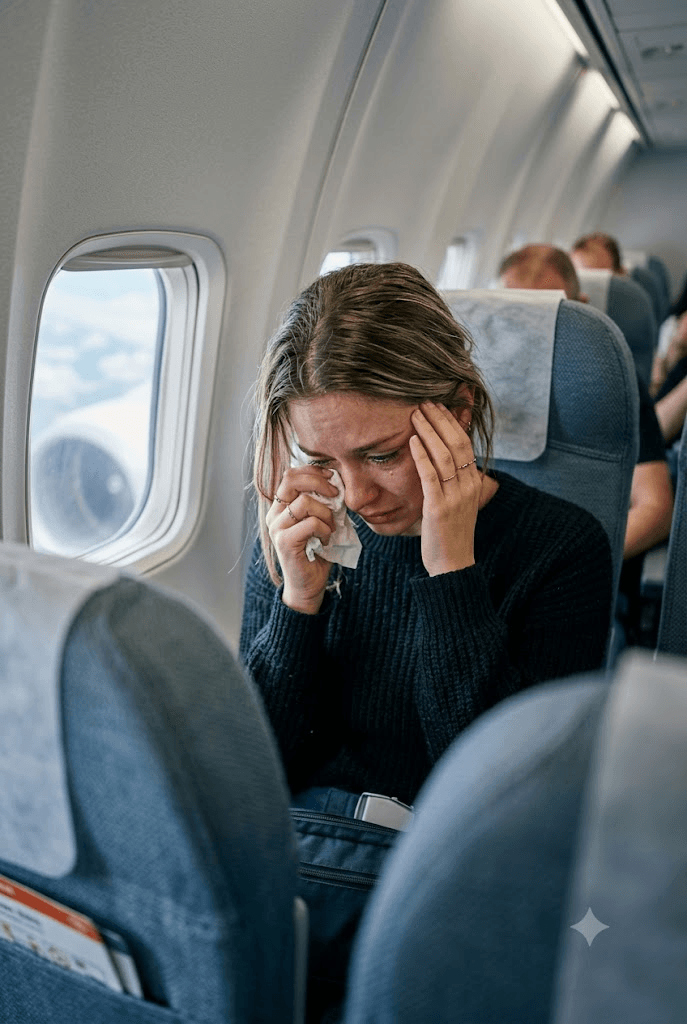
If you’ve spent a lifetime being baffled by your own reactions — the way certain sounds can make you want to leave a room, the disproportionate irritation when someone chews loudly, the specific distress of a tag in a shirt or a seam in a sock — you may have wondered at some point whether there is an explanation beyond simply being particular. Increasingly, the answer for many adults is yes — and that explanation often involves autism spectrum disorder or sensory processing differences that have gone unrecognised for decades.
This is a gentle, honest exploration of the question “am I on the spectrum?” — with specific attention to why certain things that seem trivial to others can be genuinely distressing to you.
Why Certain Things Bother You More Than They Bother Others
Sensory sensitivity — the experience of sensory input as more intense, more persistent, or more distressing than others seem to find it — is one of the most reliably reported characteristics of autism and ADHD, and is also present as a standalone feature in a condition called Sensory Processing Disorder (SPD). The underlying mechanism involves how the nervous system processes incoming sensory information — filtering what is relevant, modulating the intensity of what is attended to, and regulating the response.
In people with sensory sensitivities, this filtering and modulation is less efficient. Sounds that others habituate to — background music, office noise, someone else eating — continue to compete for attention and generate a stress response. Textures that others barely notice remain in conscious awareness and can produce genuine physical discomfort. This is not a choice, a preference, or a personality trait. It is a neurological difference in how the environment is experienced.
Common Sensory Annoyances That May Signal Spectrum Traits
Misophonia: When Certain Sounds Are Unbearable
Misophonia — the experience of specific sounds triggering intense emotional or physical responses — is significantly more common in autistic and ADHD individuals than in the general population. The most commonly reported triggers include: chewing (the most frequently reported), breathing, throat-clearing, typing, tapping, repetitive sniffing, and pen-clicking. The response to these sounds is typically not mere irritation — it is a genuine fight-or-flight-adjacent reaction that can include intense anxiety, anger, or an urgent need to escape the environment. If other people simply don’t understand why you can’t just ignore the sound, this is part of why: their nervous system IS ignoring it. Yours isn’t.
Tactile Sensitivity: Textures, Tags, and Fabric
Many autistic people find certain textures physically intolerable in a way that neurotypical people find difficult to understand. Clothing tags, specific fabric weaves, seams in socks, the texture of certain foods — these can produce a persistent, distracting discomfort that significantly affects the ability to concentrate or be comfortable. This is not fussiness. It is sensory experience that is genuinely different in quality and intensity from what most people experience.
Sensitivity to Light, Smell, or Taste
Fluorescent lighting that produces headaches or visual disturbance, strong smells that are overwhelming or nauseating in environments where others are comfortable, food textures or flavours that produce a gag response — these are all sensory sensitivities that commonly appear in autism and related neurodivergences. They can significantly affect the ability to work in certain environments, eat in social settings, or navigate everyday spaces.
Other Spectrum Traits Often Accompanying Sensory Sensitivity
Sensory sensitivity rarely appears in isolation. If you have significant sensory sensitivities, it is worth also considering whether you recognise these common co-occurring patterns: a strong need for routine and predictability; difficulty with transitions or unexpected changes to plans; intense, sustained interest in specific topics; social exhaustion after interaction that others find energising; difficulty reading between the lines in social communication; a history of feeling fundamentally different from other people without being able to explain why.
For a more comprehensive exploration of autism self-identification, the exploration of the common signs that appear in autism self-diagnosis offers a useful companion to this article.
What to Do If This Resonates
If you have spent your life wondering why ordinary environments feel so difficult, why you are so much more affected by sensory input than the people around you, why certain things that others dismiss as trivial genuinely impair your functioning — you deserve an answer that goes beyond “you’re too sensitive.” Seeking formal assessment from a psychologist or psychiatrist with experience in adult autism is the most reliable path to that answer. It can provide not just an explanation for lifelong experiences but access to strategies, accommodations, and community that make daily life genuinely more manageable.
In the meantime, the most useful immediate step is often self-compassion — recognising that the difficulty you experience in sensory environments is neurological rather than personal, and that the effort you expend navigating a world not designed for your nervous system is real and significant. Understanding what self-care actually looks like when you are neurodivergent often requires a more tailored approach than the generic advice typically offered.
Frequently Asked Questions
Can you have sensory sensitivities without being autistic?
Yes — sensory processing differences exist on a spectrum and can appear in people who do not meet the full criteria for autism diagnosis. ADHD, anxiety disorders, Sensory Processing Disorder, and other conditions also involve sensory sensitivities. What matters practically is not the diagnostic label but whether your sensory experience is significantly affecting your quality of life and whether there are strategies, accommodations, or support that could help.
Sources & further reading: National Autistic Society: Autism Signs in Adults | CDC: Autism Spectrum Disorder | Psychology Today: Autism and Sensory Sensitivity.

Rubie Le’Faine is the founder of Rubie Rubie and a writer specialising in emotional well-being, self-identity, and the psychology of modern relationships. She holds a Level 3 Certificate in Counselling Skills and has spent over eight years studying attachment theory, cognitive behavioural principles, and human development — first through formal study, then through lived experience that no course can replicate. After navigating a significant relationship breakdown, an identity rebuild, and the complex terrain of rediscovering herself in her 30s, Rubie began writing to make sense of what she had learned and to offer honest, human guidance to others going through the same. She founded Rubie Rubie in 2022 as a space for women seeking real answers, not platitudes. Based in Surrey, UK, her writing is grounded in research, shaped by experience, and centred entirely on the reader’s genuine wellbeing.