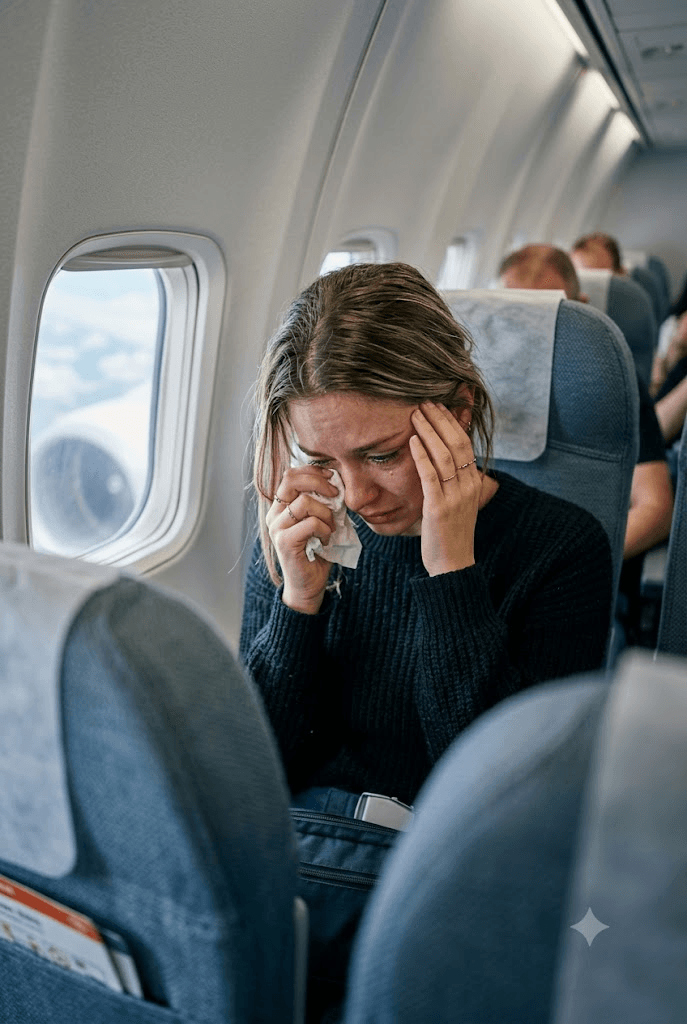

Body language can sometimes offer clues that someone may be lying, although it’s important to note that no single gesture is definitive proof of deception. Context and baseline behavior are crucial. Here are 10 body gestures and signs that may indicate someone is being untruthful:
1. Inconsistent Eye Contact
- What to look for: Avoiding eye contact or, conversely, holding eye contact too long to appear truthful.
- Why: Many people believe liars avoid eye contact, but some overcompensate to seem more convincing.
2. Frequent Touching of the Face or Mouth
- What to look for: Covering the mouth, rubbing the nose, or touching the chin.
- Why: These actions may be subconscious attempts to “hide” the lie.
3. Fidgeting or Restlessness
- What to look for: Tapping fingers, shifting in their seat, or playing with objects like pens or jewelry.
- Why: Nervous energy or discomfort when lying can manifest as fidgeting.
4. Stiff or Frozen Posture
- What to look for: Unusually rigid body language, as if they’re trying to control their movements.
- Why: Liars might overcompensate to avoid appearing suspicious.
5. Delayed or Excessive Gestures
- What to look for: Gestures that don’t match their words or are delayed, such as nodding “yes” while saying “no.”
- Why: Deception can cause a disconnect between thoughts and actions.
6. Unnatural Smiling or Laughing
- What to look for: Smiles that don’t reach the eyes or seem forced.
- Why: A fake smile may be used to mask discomfort or anxiety.
7. Shrugging While Speaking
- What to look for: Subtle shoulder shrugs that contradict confidence in their statements.
- Why: This can indicate uncertainty or lack of commitment to their words.
8. Barrier Gestures
- What to look for: Crossing arms, placing objects (like a bag or glass) between themselves and you.
- Why: These can serve as a subconscious “shield” when feeling defensive or deceptive.
9. Excessive Blinking or Eye Movements
- What to look for: Rapid blinking, looking away frequently, or eyes darting around the room.
- Why: Nervousness from lying may cause unusual eye behavior.
10. Microexpressions of Discomfort
- What to look for: Brief flashes of emotions like fear, guilt, or surprise that don’t match their words.
- Why: These fleeting expressions can reveal true feelings before the person regains composure.
Important Note
These signs are not foolproof indicators of lying. People exhibit such behaviors for many reasons, such as stress, anxiety, or even cultural differences. To detect lies effectively, look for clusters of behaviors and compare them to the person’s normal baseline behavior.
From Jack
Why We Read Body Language (And Why It Matters)
Humans evolved to communicate through body language long before spoken language developed, which is why our bodies often “leak” emotional states that our words are trying to conceal. Research by psychologist Albert Mehrabian famously suggested that a significant proportion of communication is non-verbal — though the precise percentages are often misquoted. What is clear is that body language matters enormously in high-stakes interactions: negotiations, interviews, first dates, and yes, situations where you’re trying to assess honesty. Learning to read these signals doesn’t make you a human lie detector, but it does make you a more perceptive communicator. For related reading, see our piece on Decision Fatigue Is Real: Why You Make Worse Choices as the Day Goes On.
Written by Jack Rylie, Growth & Resilience Writer at Rubie Rubie.
You Might Also Like
Sources & further reading: Psychology Today: Detecting Deception | APA: Research on Lying and Deception | NCBI: Non-verbal Cues and Deception Research.

Jack Rylie is a writer and mental health advocate who has spent the past decade exploring resilience, identity, and emotional rebuilding — both as a writer and as someone who has navigated significant personal upheaval. After a career change in his early 30s that coincided with the end of a long-term relationship, Jack spent two years in psychotherapy and became deeply interested in how men process loss, change, and vulnerability in a culture that rarely creates space for it. He holds a Post-Graduate Certificate in Psychology of Mental Health and has contributed to mental health awareness campaigns with several UK-based organisations. His writing draws on clinical research, personal experience, and a long-held belief that honest male vulnerability is not a weakness — it is the foundation of genuine resilience.