Understanding emotional patterns — your own and those of people you love — is one of the more useful forms of self-knowledge available. Psychologists who study gender and emotion have identified a set of emotional traits that women more commonly display, shaped by a combination of neurological differences, socialisation, relational context, and cultural expectation. These are tendencies, not universals — but understanding them can offer both self-understanding and genuine empathy in relationship.
Trait 1: Greater Emotional Expressiveness
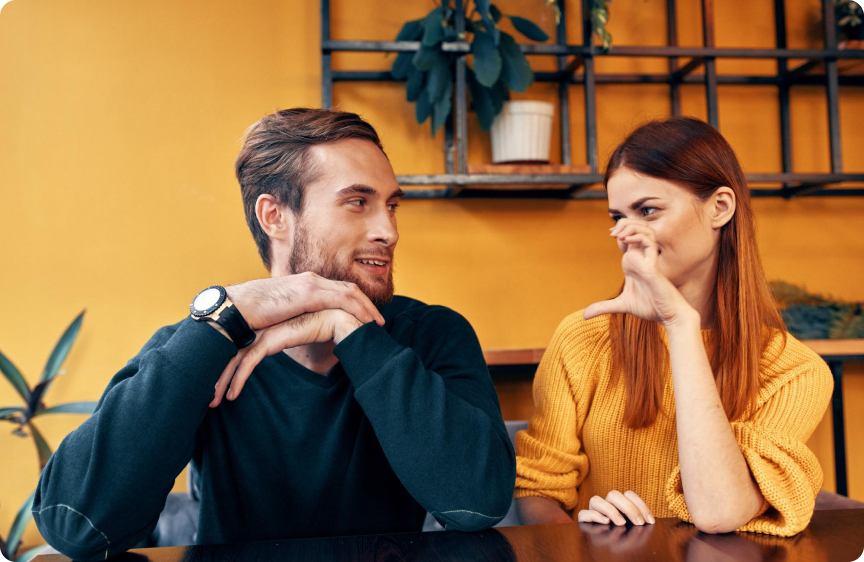
Research across multiple cultures consistently finds that women express emotions more readily and with greater variety than men. This is partly neurological — studies show that women tend to have stronger connections between the regions of the brain responsible for emotional processing and verbal expression — and partly cultural: from an early age, emotional expressiveness is more socially sanctioned and even expected in girls than in boys. The result is that women are, on average, more comfortable naming, expressing, and sharing emotional experience than their male counterparts. In relationships, this can be a genuine strength — emotional expressiveness facilitates intimacy — and occasionally a source of friction when a partner processes emotion differently.
Trait 2: Higher Emotional Empathy
Emotional empathy — the ability to feel, not just understand, what someone else is experiencing — is consistently found to be higher in women than men across a range of studies. This involves both the capacity to read emotional cues accurately and the neurological mirroring of others’ emotional states. High emotional empathy is an enormous relational strength: it makes women tend to be perceptive, caring, and genuinely responsive to others’ emotional needs. It can also be a vulnerability — absorbing others’ emotional states to the point of exhaustion, struggling to maintain emotional boundaries, carrying the emotional weight of relationships disproportionately.
Trait 3: Tendency to Ruminate
Rumination — the repetitive, involuntary focus on negative emotions and their causes — is significantly more common in women than men. This is associated with higher rates of depression and anxiety in women, and with a tendency to process emotional experiences more thoroughly (and more repeatedly) than men, who more often use distraction as an emotional regulation strategy. Rumination is not purely negative — the same tendency supports deeper emotional processing, greater insight into emotional experience, and more thorough preparation for difficult conversations — but unmanaged, it can create cycles of distress that are self-perpetuating.
Trait 4: Relational Orientation
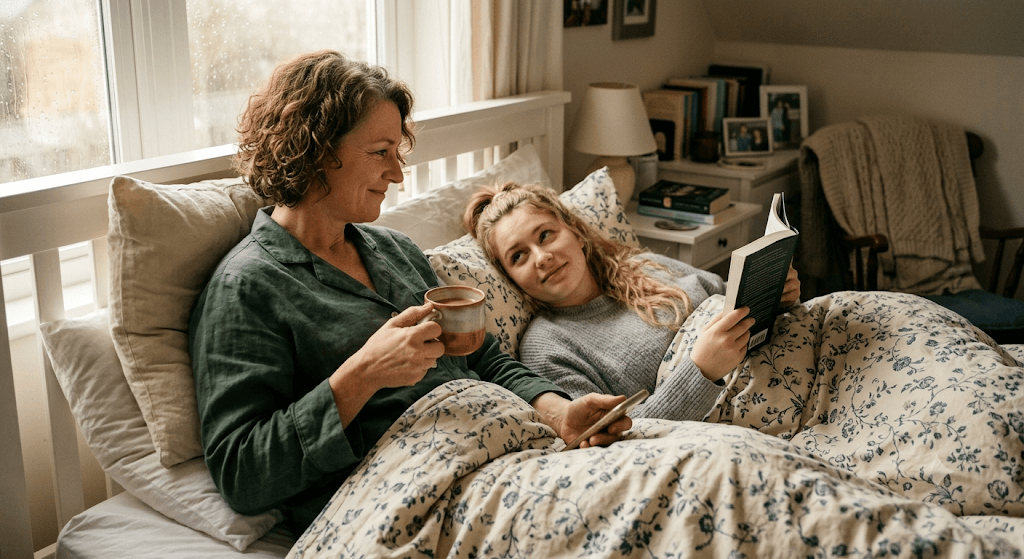
Women tend to define themselves more relationally — in terms of their connections to others — than men, who more often define themselves in terms of individual achievement or status. This relational orientation means that the quality of close relationships is often a more central component of women’s wellbeing and self-concept. The health of a marriage, a friendship, a family relationship carries particular significance. This is a profound strength — it makes women, on average, highly invested in the quality and maintenance of close relationships — and occasionally a source of vulnerability when relational difficulties become a threat not just to the relationship but to the sense of self.
Understanding the kinds of friendships that genuinely sustain women is deeply connected to this relational orientation — because the quality of close relationships is often the central determinant of women’s emotional wellbeing.
Trait 5: Emotional Labour and Caretaking
Women consistently perform more emotional labour — the work of managing, regulating, and facilitating others’ emotional experiences — in both professional and personal contexts. This includes noticing others’ emotional states, adapting behaviour in response, managing social dynamics, and providing emotional support. In relationships, this often shows up as asymmetry: women are more likely to track the emotional climate of the relationship, initiate difficult conversations, and carry the weight of relational maintenance. This is not simply socialisation — neurological factors contribute — but it is amplified by cultural expectation and can create significant imbalance and resentment when unacknowledged.
Trait 6: Greater Comfort with Emotional Vulnerability
Women tend to be more comfortable with emotional vulnerability than men — more willing to disclose personal information, express uncertainty, and admit to emotional difficulty in the context of close relationships. This comfort with vulnerability is one of the foundations of deep friendship and intimate partnership. It is also shaped by cultural permission — vulnerability in women is more socially accepted than vulnerability in men — and by the relational orientation described above. For an exploration of how vulnerability functions in intimate relationships, the role of vulnerability in finding authentic love offers a useful framework.
Trait 7: Tendency to Internalise Stress
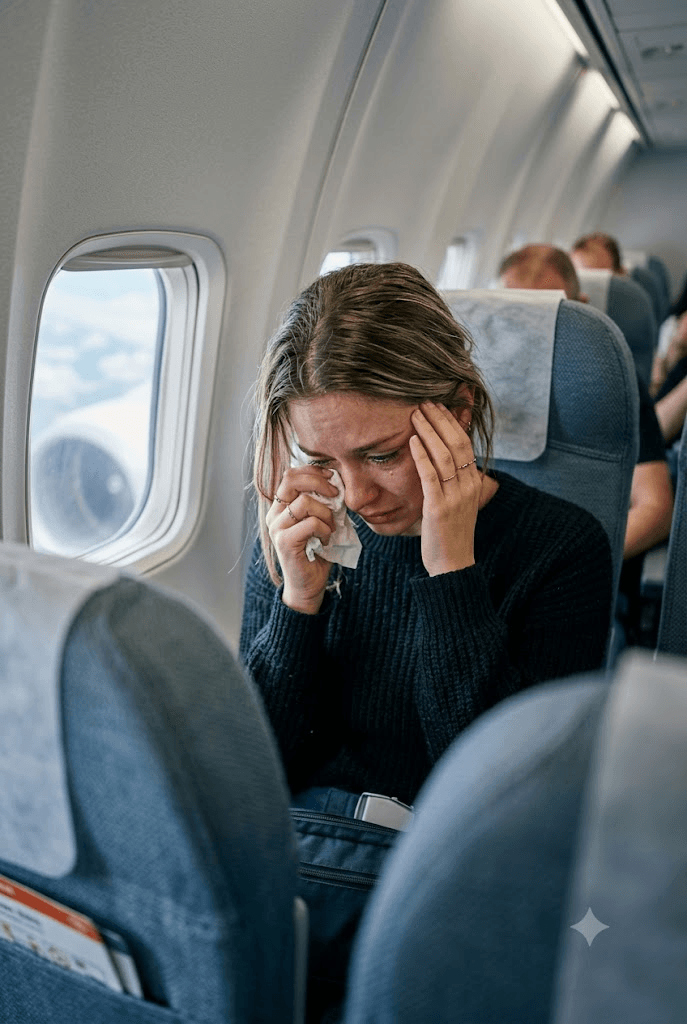
Research on stress responses has identified a difference in how men and women tend to respond to stress: men more often externalise — through action, aggression, or withdrawal — while women more often internalise, experiencing stress as anxiety, depression, or somatic symptoms. The “tend and befriend” response — seeking social connection and providing care as a stress response — is more common in women, driven in part by oxytocin. This means that under stress, women may simultaneously be reaching toward social connection and carrying a significant internal emotional load.
Understanding this pattern is useful both for self-compassion — recognising that internal emotional experience under stress is normal rather than a personal failing — and for self-care. Genuine self-care for women often needs to address this internalised stress directly, through practices that support emotional regulation and genuine rest rather than productive busyness.
Frequently Asked Questions
Are these emotional traits biological or learned?
Both — and the two are difficult to fully separate. Neurological differences contribute to some of the patterns described, but they are also significantly amplified or modulated by socialisation, cultural expectation, and individual experience. The question of “nature vs nurture” is less useful than the recognition that the traits have multiple contributing factors and vary significantly between individuals.
Sources & further reading: Psychology Today: Life Transitions and Growth | APA: Women’s Life Stages Research | Mental Health Foundation: Emotional Wellbeing.

Rubie Le’Faine is the founder of Rubie Rubie and a writer specialising in emotional well-being, self-identity, and the psychology of modern relationships. She holds a Level 3 Certificate in Counselling Skills and has spent over eight years studying attachment theory, cognitive behavioural principles, and human development — first through formal study, then through lived experience that no course can replicate. After navigating a significant relationship breakdown, an identity rebuild, and the complex terrain of rediscovering herself in her 30s, Rubie began writing to make sense of what she had learned and to offer honest, human guidance to others going through the same. She founded Rubie Rubie in 2022 as a space for women seeking real answers, not platitudes. Based in Surrey, UK, her writing is grounded in research, shaped by experience, and centred entirely on the reader’s genuine wellbeing.