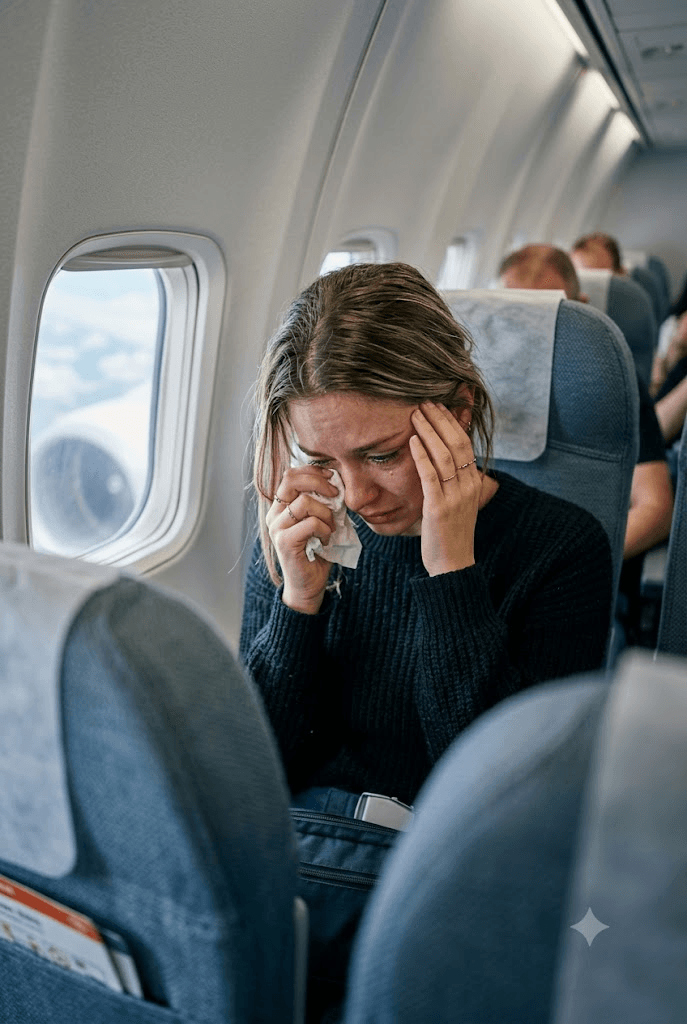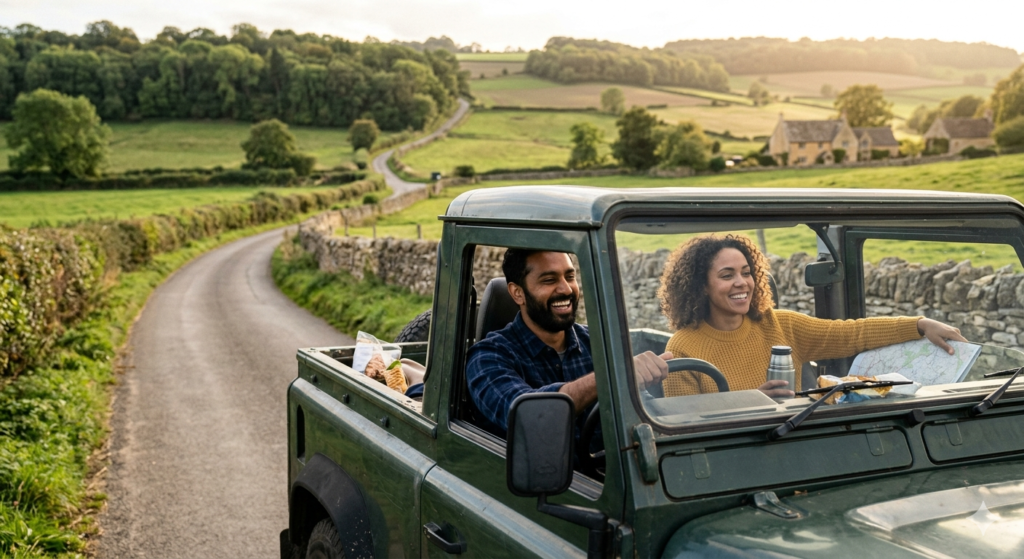
For years, the big city was your battery. The sirens were energy, the crowds were a pulse, and the $18 cocktails were the reward for a 60-hour work week. But then, the shift happened. Suddenly, the concrete feels heavy, the air feels thin, and the “convenience” of the city starts to feel like a cage. You start dreaming of land—not just a backyard, but acreage.
The “Urban Exit” is a dream for many, but the reality is a mix of deep healing and high-stakes survival. Unless you are independently wealthy, finding land usually means moving “far, far away,” where the grocery store is a 30-minute trek and the nearest hospital is a helicopter ride. If you are feeling the pull of the hills, here is the unfiltered truth about making the move and what it does to your soul.
1. The Cost of the “Far Away” Trade-Off
Finding affordable land means moving outside the metropolitan “safety bubble.” In most developed nations, “affordable” acreage typically sits at least 90–120 minutes from a major city center. This creates a “Distance Tax”: you trade your favorite barista for a compost bin and high-speed fiber for satellite dishes. You aren’t just buying a house; you are buying a different relationship with time.
2. The Biological “Nervous System” Reset
City life keeps your brain in a state of “low-grade chronic arousal.” You are constantly processing micro-threats—sirens, traffic, and dense crowds.
- The Evidence: A 2010 study published in Nature found that urban living is associated with increased activity in the amygdala (the brain’s fear center) and the parietal cingulate cortex (which regulates stress).
- The Benefit: Moving to the hills triggers a massive drop in cortisol. Research on “Forest Bathing” (Shinrin-yoku) shows that spending just 20 minutes in a rural, green environment significantly lowers systemic inflammation and resets your circadian rhythm.
3. The “Silent” Isolation
In the city, silence is just the absence of noise. In the country, silence is a physical presence.
- The Risk: For those who rely on “incidental social life”—the chat with the dry cleaner or the neighbor in the elevator—this transition can be jarring.
- The Data: The Journal of Rural Health notes that rural residents often report higher levels of “life satisfaction” but also higher rates of social isolation. You have to be your own best friend; if silence makes you anxious, your nervous system isn’t ready for the land yet.
4. The “Maintenance Burden” (Land is a Job)
City dwellers think land is for sitting on; rural dwellers know land is for working on.
- The Reality: You will become a part-time plumber, electrician, and fencer.
- The Data: A 2023 report on rural living found that landowners spend an average of 15–20 hours per week on property maintenance that would typically be handled by a council or landlord in the city. If you don’t find joy in physical labor, the “slow life” will feel like a second, unpaid full-time job.
5. The “Boredom Wall” at Month Six
Every “tree-changer” hits the Wall. The first three months feel like a vacation. By month six, the novelty wears off, it’s raining, and the nearest decent restaurant is an hour away.
- The Psychology: This is the “Adaptation Phase.” To survive it, you need a “Solitude Hobby”—regenerative farming, woodworking, or writing.
- The Key: Without a purpose that doesn’t require a crowd, the hills can start to feel like a very beautiful prison.
6. The Psychological “Death of FOMO”
The greatest gift of moving far away is the death of “Fear Of Missing Out.”
- The Shift: In the hills, your values move from consuming culture to creating your own environment.
- The Evidence: Long-term rural residents score higher on “Environmental Mastery” scales in psychological testing, meaning they feel more in control of their immediate surroundings and less influenced by external social pressures.
7. The Healthcare & Safety Scaries
Being “far, far away” is romantic until there is a medical emergency.
- The Reality: You are further from emergency services. In rural areas, “Response Time” is measured in half-hours, not minutes.
- The Requirement: You must become more self-reliant. You learn how to use a generator, maintain a deep first-aid kit, and watch the weather like a hawk. It adds a layer of responsibility that the “safe” city life never demanded.
Trading the Pulse for the Peace
Moving to the rolling hills is a “Soft Reset” for your entire identity. You are trading convenience for character, and speed for depth. It isn’t an easy life—it’s often harder, muddier, and lonelier than the city ever was. But for the woman whose heart is no longer in the skyscrapers, the trade is worth it.
You aren’t “running away”; you are returning to a version of yourself that can actually hear her own thoughts. If you can handle the labor and the silence, the hills won’t just be where you live—they will be where you finally breathe.
What the Research Says About Rural Living and Wellbeing
The romanticised version of country life gets a lot of cultural airtime. But what does the evidence actually say about whether moving away from cities improves wellbeing? The picture is genuinely mixed, which is worth knowing before you make the leap. Studies on urban-rural migration consistently find that people who move to rural areas for lifestyle reasons — not economic necessity — report higher life satisfaction in the long term, particularly around noise levels, access to nature, and sense of community. They also report greater challenges with access to services, career progression, and social connection, particularly in the early years of transition.
The strongest predictor of a successful downshift, according to the research, is not the specifics of where you move — it’s clarity about why. People who move toward something (a specific vision of life, a community, a pace) report significantly better outcomes than people who are primarily moving away from something (stress, burnout, an untenable commute). If you haven’t yet articulated what you’re moving toward, it’s worth doing that work before you sign contracts on a farmhouse with a leaking roof.
Making the Practical Case for Leaving the City
The financial calculation of city versus rural living has shifted considerably since the rise of remote work. If your income is portable — if you can genuinely do your job from anywhere with reliable internet — the city premium on housing may no longer be a trade-off you’re required to make. In some rural and semi-rural areas, house prices per square foot are 40–60% lower than equivalent city properties. Over a mortgage term, that difference can be the equivalent of a decade of work.
The key variables to audit honestly before making the move: Is your income genuinely portable, or have you been telling yourself it is? Does your field have a remote track record, or are you pioneering it? What are the broadband speeds in the specific area you’re considering — not in the town, but in the actual property? And what happens if your circumstances change in five years — divorce, a job that requires presence, a health situation requiring specialist care? These are not reasons not to move. They are reasons to plan properly.
If the financial anxiety and decision-making complexity of this kind of life change feels overwhelming, understanding how decision fatigue affects major life decisions might help you structure the process so that the biggest choices get your clearest thinking.
Frequently Asked Questions
How do you actually build community when you move somewhere rural?
Rural community building requires a different approach from city socialising. The infrastructure — the serendipitous encounters at cafés, the density of events and interest groups — is simply thinner. Community in rural areas tends to be built through sustained, consistent participation in local life: attending the village fete, joining the local choir or sports club, supporting the pub, volunteering with local organisations. It can feel awkward and effortful in the early years, particularly for people who are used to the relative anonymity of city life. Most people who successfully build rural social lives report that it took two to three years to feel genuinely embedded — and that the quality of connection, once established, exceeded anything they’d found in the city.
Is it realistic to downshift with young children?
Yes, though the timing matters. Young children — particularly primary school age and under — typically adapt to rural life very well and often thrive in environments with outdoor space and a slower pace. The more complex transitions tend to happen in secondary school years, when teenagers need peer groups, cultural stimulation, and independence that rural settings can struggle to provide. Many families who downshifted with young children have found that revisiting the decision at secondary school age — whether to stay, find a semi-rural compromise, or move back closer to a city — is worth building into the plan from the start.
Love Rubie xoxo
Further Reading & Sources
- Psychology Today on major life transitions
- NIH research on lifestyle and wellbeing
- Harvard Health – mind and lifestyle

Rubie Le’Faine is the founder of Rubie Rubie and a writer specialising in emotional well-being, self-identity, and the psychology of modern relationships. She holds a Level 3 Certificate in Counselling Skills and has spent over eight years studying attachment theory, cognitive behavioural principles, and human development — first through formal study, then through lived experience that no course can replicate. After navigating a significant relationship breakdown, an identity rebuild, and the complex terrain of rediscovering herself in her 30s, Rubie began writing to make sense of what she had learned and to offer honest, human guidance to others going through the same. She founded Rubie Rubie in 2022 as a space for women seeking real answers, not platitudes. Based in Surrey, UK, her writing is grounded in research, shaped by experience, and centred entirely on the reader’s genuine wellbeing.