Something has shifted in the way women talk about their wellbeing. The conversations that used to happen only in therapy rooms or with a very close friend are now happening openly — in group chats, on social media, in workplaces and around dinner tables. The cultural permission to talk honestly about mental health, relationships, ambition, and identity has expanded significantly, and with it has come a new kind of collective honesty about what modern womanhood actually feels like from the inside.
Here are some of the themes that are coming up most consistently — and why each one deserves more attention than it typically gets.
The Emotional Labour Conversation
The term “emotional labour” — first coined by sociologist Arlie Hochschild in her 1983 book The Managed Heart — has moved from academic circles into everyday vocabulary. Women are increasingly naming the invisible work of managing other people’s emotions, maintaining household harmony, and carrying the cognitive load of family logistics. Research from the APA shows this unpaid labour is still disproportionately carried by women, and that chronic emotional labour without acknowledgement or reciprocity is a significant contributor to burnout. The conversation is no longer just naming the problem — it is increasingly about what to actually do about it.
Boundaries Without Guilt
The word “boundaries” has almost been overused to the point of losing meaning, but the underlying conversation remains urgent. Women, particularly those socialised in environments that equated care with self-sacrifice, often struggle profoundly with saying no — not because they lack knowledge of the concept, but because the guilt that accompanies boundary-setting is genuinely painful. The wellbeing conversation here is shifting from “you need to set boundaries” to “here is why the guilt comes and what you can actually do with it.”
Identity Beyond Roles
Who am I when I am not somebody’s mother, partner, employee, or daughter? This question — which sounds philosophical but lands with real emotional weight — is one many women arrive at somewhere in their 30s and 40s. The milestone-driven narrative of womanhood (education, relationship, career, children) can leave very little room for a self that exists independently of those roles. The growing conversation about identity beyond function is, for many women, genuinely liberating and genuinely frightening in equal measure.
The Loneliness That Looks Fine From the Outside
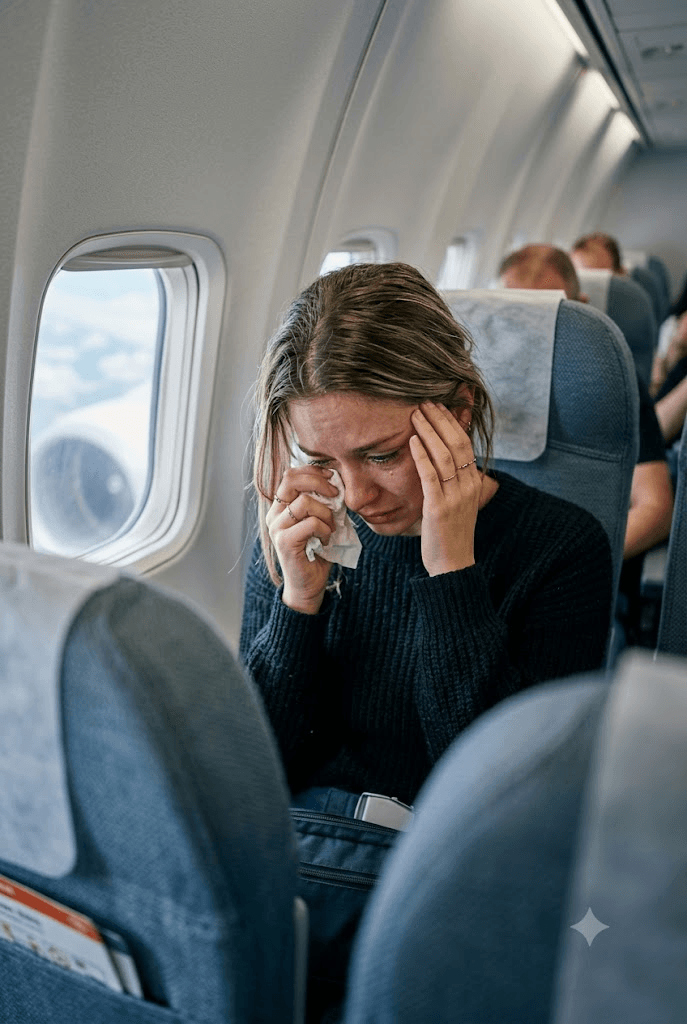
A significant proportion of women who appear socially connected — who have partners, friends, full calendars — report feeling deeply lonely. Not lonely in the simple sense of lacking company, but lonely in the sense of not being truly known. The US Surgeon General’s 2023 advisory on loneliness identified this form of loneliness — present in ostensibly connected people — as one of the most significant and undertreated health challenges of the era. The wellbeing conversation here is about the difference between being surrounded by people and being genuinely seen.
Ambition and Guilt
Many women still carry an internalised narrative that ambition — especially ambition that takes priority over caregiving or relationship — is somehow unfeminine or selfish. This plays out in subtle ways: downplaying achievements, feeling guilty for wanting more, apologising for success. The conversation is slowly but genuinely shifting towards a version of ambition that does not require women to choose between wanting more professionally and being a whole person in their relationships and communities.
Why These Conversations Matter
Each of these themes represents an area where women have historically been expected to simply manage — quietly, privately, without making a fuss. The shift towards speaking these experiences out loud, naming them, and seeking actual solutions rather than just coping strategies is not trivial. Naming experiences accurately is the first step towards changing them, both individually and collectively. The conversations happening in women’s wellness spaces right now are not navel-gazing. They are the groundwork for something more honest and more equitable in how womanhood gets to be lived.

Rubie Le’Faine is the founder of Rubie Rubie and a writer specialising in emotional well-being, self-identity, and the psychology of modern relationships. She holds a Level 3 Certificate in Counselling Skills and has spent over eight years studying attachment theory, cognitive behavioural principles, and human development — first through formal study, then through lived experience that no course can replicate. After navigating a significant relationship breakdown, an identity rebuild, and the complex terrain of rediscovering herself in her 30s, Rubie began writing to make sense of what she had learned and to offer honest, human guidance to others going through the same. She founded Rubie Rubie in 2022 as a space for women seeking real answers, not platitudes. Based in Surrey, UK, her writing is grounded in research, shaped by experience, and centred entirely on the reader’s genuine wellbeing.