
Here are five valuable lessons I learned before embarking on solo travel as a 40-year-old:
1. It’s Never Too Late to Start
Society might suggest that solo travel is for the young, but I realized that life doesn’t have an age limit for adventure. At 40, I bring with me wisdom, financial independence, and a clearer sense of what I want from my experiences. Traveling solo at this stage feels empowering and opens doors to self-discovery that I might not have appreciated in my 20s.
2. Preparation is Key
Planning is essential for a smooth trip, especially when traveling solo. From researching destinations and safety tips to ensuring I had all the necessary documents, preparation gave me confidence. I learned to book accommodations in safe neighborhoods, share my itinerary with loved ones, and always have a backup plan for unexpected situations.
3. Comfort Zones Are Overrated
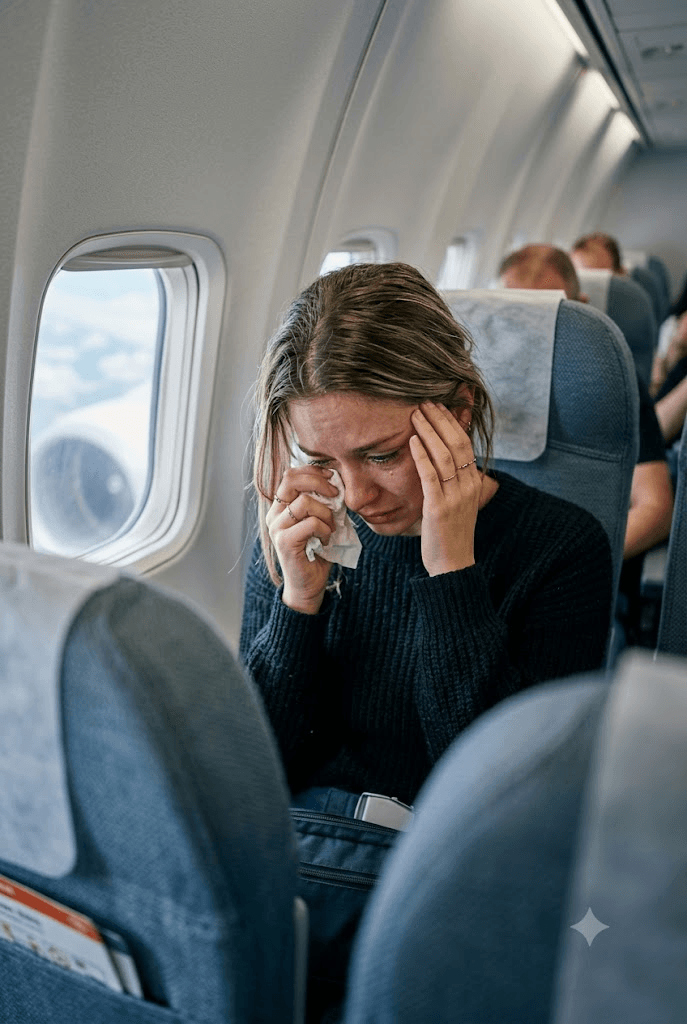
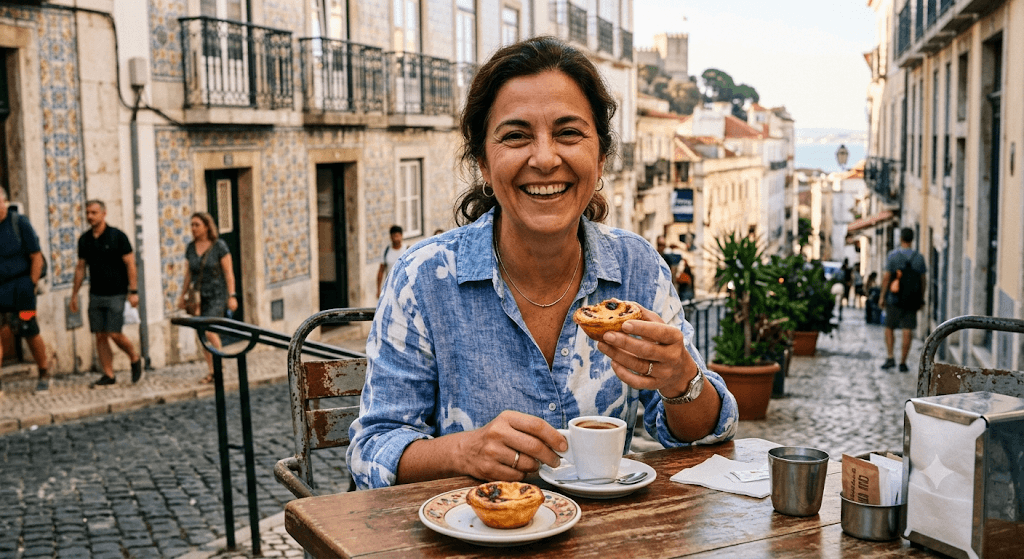
Stepping out of my comfort zone felt intimidating at first, but I discovered it’s where growth happens. Whether it’s trying a new cuisine, navigating a foreign city, or striking up a conversation with strangers, pushing past fear creates unforgettable memories. I learned to embrace the awkward moments—they often led to the best stories.
4. Solo Doesn’t Mean Lonely
Traveling alone doesn’t mean being alone all the time. I discovered how easy it is to meet people while exploring, especially through group tours, local events, or simply chatting with fellow travelers. At 40, I found it easier to connect authentically, as I’ve become more comfortable with myself and others.
5. Pack Light, Mentally and Physically
I learned the importance of traveling light—not just with my luggage but also with my expectations. Overpacking adds stress, while letting go of rigid plans allows for spontaneity and serendipity. Traveling solo is as much about the journey within as it is about the destinations I visit.
These lessons helped transform my solo travel experience into one of growth, freedom, and joy, proving that adventure knows no age.
From Jack
Related Articles:
7 Self-Care Tips for Busy Women: How to Prioritize Yourself
Lessons in Well-Being: 8 Insightful Lessons from 40 Years of Life Experience
6 Heartfelt Steps to Embracing Vulnerability and Welcoming Authentic Love
Why 40 Is Actually an Ideal Age to Start Solo Travel
There is something about turning 40 that changes how you travel. The performative elements — Instagrammable spots, ticking lists, keeping pace with a group — recede, and what’s left is genuine curiosity. At 40, you’re more likely to linger in the places that actually interest you, to talk to locals rather than tourists, to choose the slower route with the better view. You’re less concerned with what solo travel says about you and more interested in what it gives you.
The lessons in this piece are really about self-trust — which, like fine wine, tends to be better at 40 than it was at 25. Solo travel at any age is a profound act of choosing your own company and finding it sufficient. For more on the relationship between independence and self-knowledge, Embracing the Gift of Being Newly Single in Your 30s offers a related perspective.
Written by Arlyn Parker, Wellness Writer at Rubie Rubie.
You Might Also Like
- Embracing the Gift of Being Newly Single in Your 30s
- Traveling Solo? 10 Essential Safety Tips for Female Travelers
Sources & further reading: UK Government: Travel Safety Abroad | WHO: Travel and Mental Wellbeing | Psychology Today: Solo Travel After 40.

Arlyn Parker is a wellness and mindfulness writer with a background in holistic health coaching. She completed her practitioner training in mindfulness-based stress reduction (MBSR) and holds a certification in positive psychology from an accredited UK provider. Over six years of working with clients navigating anxiety, burnout, and major life transitions gave Arlyn a front-row seat to what actually helps people create sustainable calm — and what doesn’t. Her own experience with burnout in her late 20s, and the slow, deliberate process of rebuilding her health and habits, is the foundation of everything she writes. Arlyn’s work is not about aspirational wellness — it’s about practical, evidence-informed strategies for people living real, complicated lives.