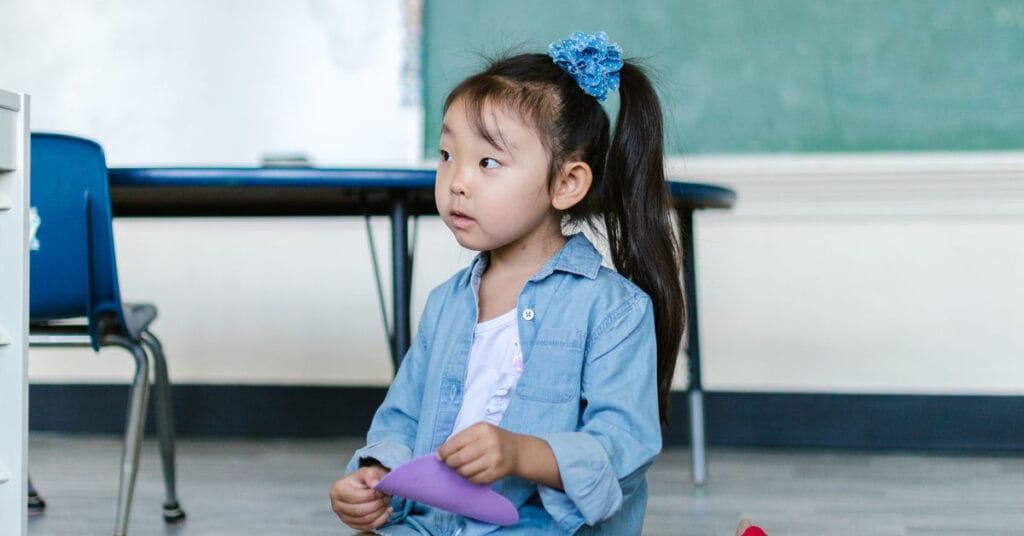
No matter where you grew up, school was supposed to prepare you for life. Yet for millions of students today, the system is falling short—leaving children unprepared, disengaged, and disconnected from the world they’re inheriting. The education system was designed for a different era: one that valued rote memorisation over creativity, standardised testing over critical thinking, and conformity over individuality. The 21st-century world is rapidly changing—in its technology, its labour markets, its social challenges—and the education system, in most countries, has not kept pace. Here’s why the gap between what schools currently offer and what young people actually need is a crisis we can no longer afford to ignore.
What School Was Originally Designed For
Modern compulsory schooling was largely designed during the Industrial Revolution to produce workers who could follow instructions, perform repetitive tasks reliably, and function within hierarchical institutions. Literacy and numeracy were prioritised because they were the skills factories and offices needed. The structures of school—bells, rows of desks, age-based groupings, uniform assessment—reflected the factory floor more than the life of a curious human mind. For much of the 20th century, this model was adequate. For the 21st century, it is dangerously obsolete.
Why the System Is Failing Our Kids
1. It Prioritises Compliance Over Curiosity
Schools, by necessity, manage large groups of children. This management imperative creates systems that reward obedience, predictability, and conformity, and that often inadvertently punish the traits most associated with future success: curiosity, divergent thinking, risk-taking, and the willingness to question. Children who don’t fit the standard mould—who are creative, restless, unconventional, or deeply interested in things not on the curriculum—are frequently labelled as problems rather than potential.
2. Standardised Testing Measures What’s Easiest to Measure
The dominance of standardised testing in most education systems reflects a fundamental category error: we measure what we can measure and then assume it captures what matters. Standardised tests measure retention, pattern recognition within specific formats, and the ability to perform under particular conditions. They do not reliably measure creativity, leadership, emotional intelligence, resilience, ethical reasoning, or collaborative problem-solving—the very skills most frequently cited by employers as critical for the modern workforce. Teaching to the test narrows and impoverishes the curriculum.
3. The Life Skills Gap Is Enormous
Teenagers graduate school knowing the causes of World War I but not how to manage a budget, read a payslip, understand a lease, navigate a job interview, recognise the signs of a mental health crisis, or cook a nutritious meal. The gap between what schools teach and what adult life actually demands is staggering. Some jurisdictions have begun introducing financial literacy and health education more systematically, but progress is slow and inconsistent, and the life skills gap remains one of the most glaring failures of formal education. Our article on choosing financial independence explores the real-world cost of this gap for young adults.
4. Mental Health Crises Are Being Managed, Not Prevented
Youth mental health is in crisis in most Western countries. Rates of anxiety, depression, self-harm, and suicide among school-aged children have increased significantly over the past two decades. Schools are ill-equipped to respond: most have too few counsellors, too little training among teaching staff, and too little curriculum space for the kind of emotional literacy education that research shows builds resilience and reduces mental health risk. The system responds to crisis rather than building the foundations that prevent it. For context on how parenting approaches intersect with resilience, our piece on soft parenting and child resilience is worth reading.
5. Technology Is an Afterthought Rather Than an Integration
We live in a world being reshaped by artificial intelligence, automation, and digital communication at a pace never seen before. Most schools are still treating technology as an add-on—something to regulate and contain rather than something to teach students to use critically, ethically, and effectively. The young people graduating today will spend their working lives in environments profoundly shaped by AI. Schools that don’t build digital literacy, AI awareness, and technology ethics into their core curriculum are graduating students who are unequipped for the world they’re entering.
6. The System Wasn’t Built for Diverse Learners
Schools were designed around a neurotypical, middle-class standard of learning and behaviour. Children who are neurodivergent, who learn differently, who speak English as a second language, or who come from backgrounds with different cultural knowledge and resources are systematically disadvantaged by a system that wasn’t designed with them in mind. Despite decades of inclusion advocacy and policy reform, the reality for many diverse learners remains one of inadequate support, lower expectations, and higher rates of disengagement and exclusion.
What Better Education Could Look Like
There are schools and education systems around the world that demonstrate better approaches: Finland’s emphasis on play-based early childhood learning, student wellbeing, and teacher autonomy; project-based learning schools that teach through real-world application; democratic schools that give students agency in their own education. These models exist and succeed—but they remain exceptions in systems dominated by industrial-era assumptions. Change requires political will, community advocacy, and a willingness to measure education by different—and more human—metrics than current standardised testing allows.
Frequently Asked Questions
Is the school system the same problem everywhere?
No—education systems vary significantly between countries and even between regions. Some jurisdictions have made meaningful progress in curriculum reform, teacher professional development, and student wellbeing. The problems described here are most acute in systems with high-stakes standardised testing, limited investment in teacher welfare and professional development, and significant inequality in per-student funding between wealthy and disadvantaged communities.
What can parents do if they’re concerned about their child’s school experience?
Be actively involved—not in a helicopter parenting sense, but in terms of knowing your child’s teachers, understanding the curriculum, and maintaining open conversation about your child’s experience. Supplement school with rich learning experiences outside it: reading, travel, conversation, creative projects, community involvement. And advocate: speak to school leadership, join school councils, engage in community discussions about education. Individual engagement multiplied across many parents creates real systemic pressure for improvement.
Should I consider alternatives to mainstream schooling?
Alternatives like homeschooling, democratic schools, and Montessori or Steiner education work well for some families and children. They’re not universally superior—implementation quality varies enormously—but for children who are genuinely struggling in mainstream settings, they’re worth researching. The key questions are: does this alternative meet my child’s specific learning needs and social needs, and does it prepare them for the adult life they want to lead?
Further Reading & Sources
You Might Also Enjoy on Rubie Rubie
You Might Also Enjoy on Rubie Rubie

Jack Rylie is a writer and mental health advocate who has spent the past decade exploring resilience, identity, and emotional rebuilding — both as a writer and as someone who has navigated significant personal upheaval. After a career change in his early 30s that coincided with the end of a long-term relationship, Jack spent two years in psychotherapy and became deeply interested in how men process loss, change, and vulnerability in a culture that rarely creates space for it. He holds a Post-Graduate Certificate in Psychology of Mental Health and has contributed to mental health awareness campaigns with several UK-based organisations. His writing draws on clinical research, personal experience, and a long-held belief that honest male vulnerability is not a weakness — it is the foundation of genuine resilience.