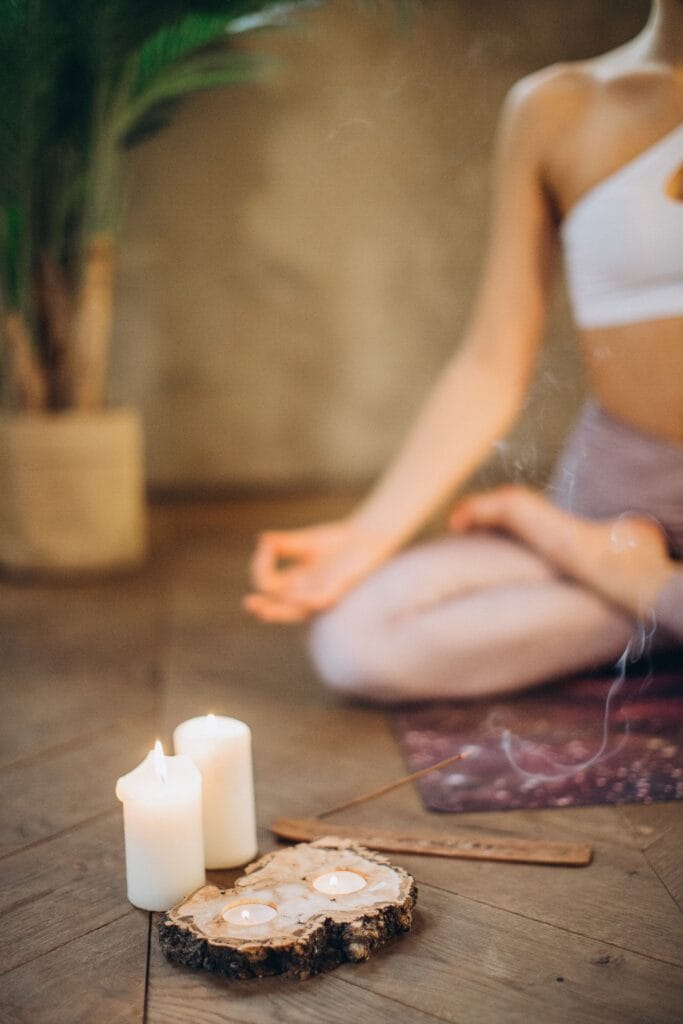
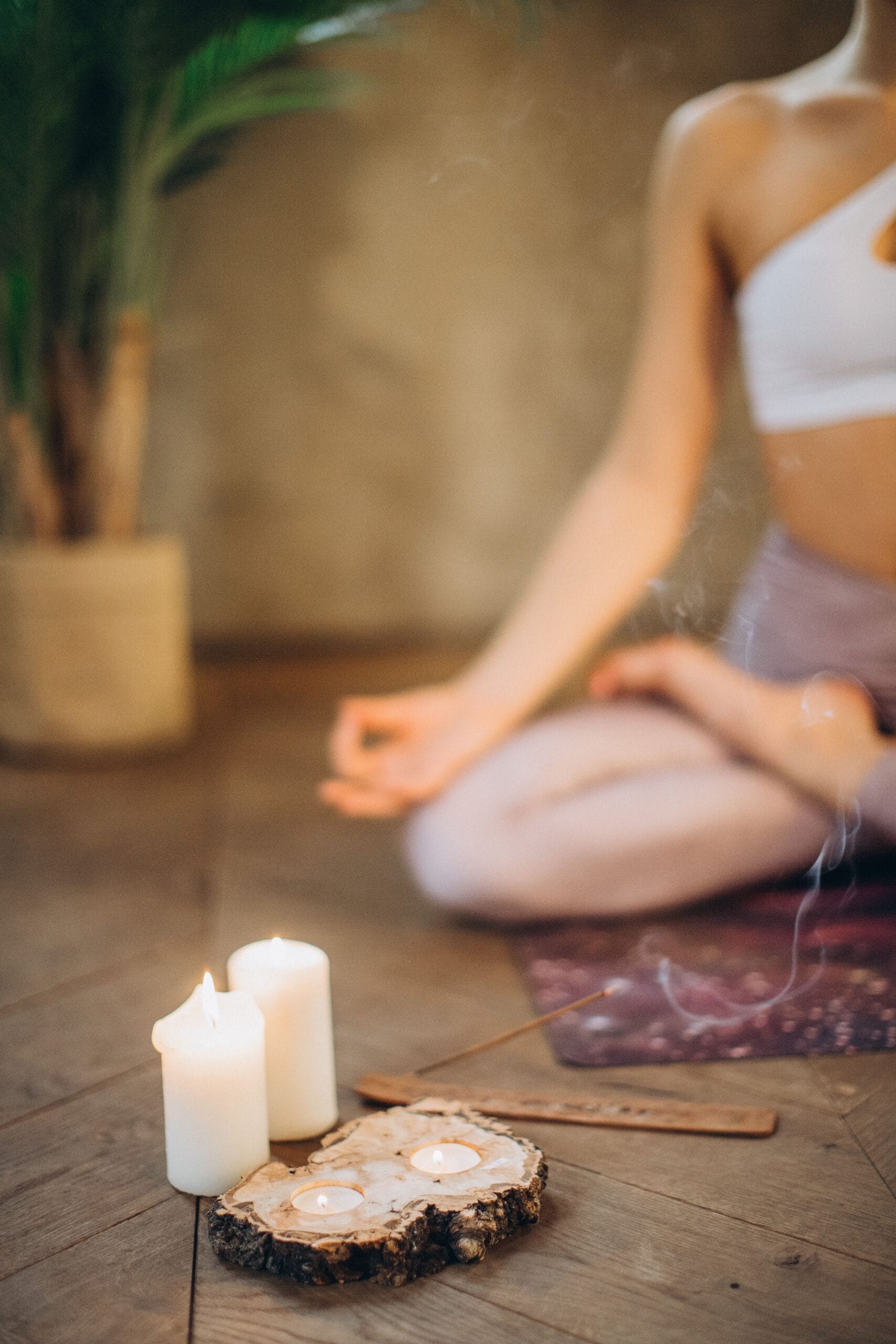
I did not expect mindfulness to change my life. Honestly, when I first started hearing about it, I rolled my eyes. It felt like something therapists said when they had run out of practical suggestions. Sit quietly. Breathe. Be present. What was that actually going to do for the constant background noise in my head — the replaying of conversations, the forward-projecting anxiety, the weird guilt I carried around for no clear reason?
Then I tried it properly. Not an app telling me to breathe for 60 seconds, but an actual sustained practice — 10 minutes every morning for 30 days. And something shifted. Not dramatically, not overnight. But I started to notice the gap between the thought and the reaction. That tiny space where you can choose how to respond instead of just firing off whatever the anxiety dictates. That gap changed everything.
Here is what the science says, and what I learned the hard way.
What Mindfulness Actually Is (Not What Wellness Culture Tells You It Is)
Mindfulness, at its core, is the practice of paying deliberate attention to the present moment without judgement. That is it. No crystals required. No particular spiritual framework needed. The concept has roots in Buddhist meditation traditions stretching back over 2,500 years, but the version most widely studied in Western psychology was developed by Jon Kabat-Zinn at the University of Massachusetts in the late 1970s — a programme called Mindfulness-Based Stress Reduction (MBSR) that has since generated hundreds of peer-reviewed studies.
Free Download: Narcissistic Red Flags Checklist
Spot the patterns before they escalate — get our free PDF checklist used by thousands of readers.
According to research published in JAMA Internal Medicine, mindfulness meditation programmes show moderate evidence of improving anxiety, depression, and pain. A landmark meta-analysis from Johns Hopkins found that mindfulness meditation had an effect size comparable to antidepressants for treating depression — without the side effects. That is not a small claim.
What Changes When You Actually Practise It
The first thing I noticed was sleep. I had spent years lying awake replaying the day — things I said, things I should have said, things that might happen tomorrow. After a few weeks of a consistent morning practice, the nighttime spiral started to lose its grip. Researchers at Harvard Medical School found that mindfulness meditation significantly improved sleep quality in adults with chronic insomnia, outperforming sleep hygiene education alone.
The second thing was emotional reactivity. I am someone who has historically been quick to feel things intensely — a sharp comment lands, I spiral. What mindfulness gave me was not the ability to stop feeling things, but a fraction more time before I acted on the feeling. That fraction is enormous in practice. It is the difference between sending the text you will regret and closing the app and going to bed.
The Physical Dimension People Often Overlook
Stress lives in the body, not just the mind. When we are chronically anxious, our cortisol levels stay elevated — and prolonged high cortisol is linked to everything from weight gain and disrupted sleep to immune suppression and cardiovascular disease. Research from the National Institutes of Health shows that regular mindfulness practice measurably reduces cortisol levels, lowers blood pressure, and supports immune function. Your mind and body are not separate systems. When you calm one, the other responds.
The Relationship With Yourself It Builds Over Time
This is the part that surprised me most. After a few months of practice, I started to become more honest with myself — about what I actually wanted, what was actually bothering me, where I was self-sabotaging or people-pleasing out of fear. Mindfulness does not solve these things, but it makes them visible. You cannot address what you cannot see. The practice of sitting quietly with yourself, without distraction, reveals a lot about what you have been running from.
Psychologists describe this as increased metacognitive awareness — the ability to observe your own thoughts rather than simply being inside them. Once you can watch a thought arrive without immediately believing it or acting on it, you have a kind of freedom that is very hard to describe but very easy to notice once you have it.
How to Actually Start (Without Overthinking It)
You do not need a meditation cushion, a special app, or 45 minutes. Start with five minutes every morning before you look at your phone. Sit somewhere comfortable, close your eyes, and simply follow your breath — in and out. When your mind wanders (it will, immediately, constantly — this is normal), gently return your attention to the breath. That returning is the practice. That is what you are building.
If you want guidance, the Mindful.org beginner’s guide is excellent, free, and not full of the vague spiritual language that puts a lot of people off. Headspace and Insight Timer are also well-regarded apps if you prefer audio-guided sessions.
The Bottom Line
Mindfulness will not fix your life. But it will change your relationship with it. The anxiety does not disappear — but you stop being quite so at the mercy of it. The difficult emotions still arrive — but they move through you more cleanly. The internal noise quiets enough that you can start to hear what you actually think and feel, rather than what the stress tells you. That, in my experience, is worth ten minutes a day.
Related reading: 5 Ancient Wisdom Practices That Science Has Proven Work, The Healing Power of Journaling, How Your Morning Routine Shapes Your Entire Day.

Arlyn Parker is a wellness and mindfulness writer with a background in holistic health coaching. She completed her practitioner training in mindfulness-based stress reduction (MBSR) and holds a certification in positive psychology from an accredited UK provider. Over six years of working with clients navigating anxiety, burnout, and major life transitions gave Arlyn a front-row seat to what actually helps people create sustainable calm — and what doesn’t. Her own experience with burnout in her late 20s, and the slow, deliberate process of rebuilding her health and habits, is the foundation of everything she writes. Arlyn’s work is not about aspirational wellness — it’s about practical, evidence-informed strategies for people living real, complicated lives.