I used to wake up anxious before I was conscious of being awake. The alarm would go, and within about thirty seconds the day had already arrived in full: the to-do list, the difficult conversation I’d been putting off, the vague but persistent sense that there was too much and not enough time. Not an ideal starting position for any of it.
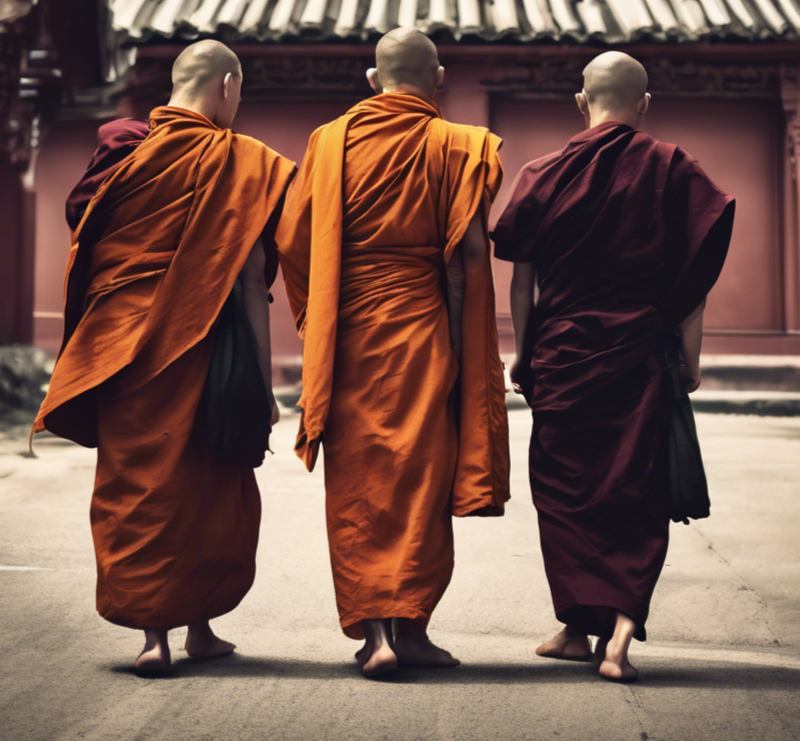
What changed things for me wasn’t a productivity system or a morning routine from a wellness influencer. It was reading about how contemplative monks — people who have spent centuries developing the art of beginning the day intentionally — structure the transition from sleep to wakefulness. And then finding, with some surprise, that the neuroscience largely backs them up.
Why Mornings Are Particularly Vulnerable to Anxiety
The cortisol awakening response — a natural spike in cortisol levels in the first twenty to thirty minutes after waking — is one of the most reliable features of human biology. It’s designed to mobilise energy and prepare the body for the demands of the day. In people with high baseline anxiety, this response is amplified; the morning cortisol spike can feel like anxiety before anything has happened to be anxious about.
Research from University of Trier on the cortisol awakening response shows that it’s particularly sensitive to anticipatory stress — the day that lies ahead. This is why the first thing you look at in the morning (your phone, your email, the news) can determine your entire physiological baseline for hours. The information that enters your nervous system in that first twenty minutes shapes everything that follows.
8 Monk-Inspired Rituals for Morning Anxiety
1. Silence Before Stimulation
In contemplative monastic traditions across the world — Benedictine, Buddhist, Sufi, Trappist — the morning begins in silence. Not silence enforced by having nothing to do, but silence deliberately chosen before the noise of the world is invited in. Even five minutes of genuine quiet before the phone is checked — before the news, the emails, the social feeds — changes the cortisol trajectory of your morning.
2. Set an Intention, Not a To-Do List
Monastic traditions typically begin each day with prayer or meditation focused not on tasks but on orientation: who do I want to be today? What quality of presence do I bring? In psychological terms, this is “implementation intention” — research by Peter Gollwitzer at NYU shows that forming “when-then” or identity-based intentions dramatically increases follow-through.
A single word — patience, presence, openness — chosen deliberately and returned to when the day gets hard is more effective at shaping behaviour than a comprehensive morning to-do list.
3. Move Your Body Gently Before It Has to Perform
Morning movement in monastic traditions tends to be deliberate rather than intense — walking the cloister, prostrations in Buddhist practice, gentle yoga in ashram traditions. Modern neuroscience supports a gentler approach early in the morning: gentle movement activates the parasympathetic nervous system (the calm, rest-and-digest state) rather than triggering another cortisol response through intense exercise.
A ten-minute walk or gentle stretching before breakfast can noticeably change the quality of your morning anxiety without requiring the overhaul of a full workout routine. Understanding what happens when you allow your body to slow down rather than immediately accelerating it is genuinely relevant here.
4. Eat Something Deliberately
Monks eat breakfast. They eat it at a table, often in silence or with one person reading aloud. They are present for the meal. The modern equivalent — eating while looking at a phone, or skipping breakfast entirely — is both neurologically suboptimal (blood sugar stability matters for anxiety regulation) and misses the grounding function of a deliberate first meal.
5. Practise Brief Gratitude
Morning gratitude practice — not elaborate, not journalling unless you want to journal — is consistently present in contemplative morning traditions. Three things, specific and genuine, noticed before the day begins. Research by Dr. Robert Emmons at UC Davis confirms that gratitude practice shifts attention from threat (where anxiety lives) to abundance (where equanimity becomes possible). The shift in attention is the mechanism.
6. Let Your Body Get Light
Morning light exposure — direct outdoor light, ideally within thirty minutes of waking — is one of the most effective evidence-based interventions for both mood and sleep quality. It anchors the circadian rhythm, reduces the cortisol awakening response over time, and directly suppresses the melatonin that would otherwise keep you feeling drowsy and anxious.
Monks who live and work outdoors receive this automatically. For most of us it requires a deliberate three-to-five-minute trip outside — a habit surprisingly hard to establish and surprisingly powerful once established.
7. Breathe With Intention
Controlled breathing — particularly lengthening the exhale relative to the inhale — directly activates the vagus nerve and the parasympathetic nervous system. This is basic physiological intervention that works immediately: four counts in, six counts out, repeated for two to three minutes, measurably reduces heart rate and physiological anxiety markers.
Every contemplative tradition practises some version of this. It’s not mysticism — it’s physiology. The nervous system responds to the breath directly and immediately. You can change your anxiety state right now, before anything has changed about the situation.
8. Create a Threshold — Something That Signals “The Day Begins Now”
In monasteries, bells signal transitions: the call to prayer, the beginning of work, the move from one activity to another. These acoustic markers structure time in a way that reduces the cognitive load of transition. You can create your own version: the cup of tea that means “now I begin,” the specific music that signals “this is the working hour.” Small rituals of demarcation reduce the formlessness that anxiety fills.
Building these rituals into your morning is genuinely a form of self-care. Morning self-care isn’t an indulgence — it’s the infrastructure of everything that follows. And if you’re wondering whether your stress levels are already higher than you’ve noticed, these signs from sleep therapists are worth a look.
Frequently Asked Questions
How long do I need for these rituals to make a difference?
Research on habit formation and behaviour change suggests meaningful effects within two to four weeks of consistent practice. But some of these — particularly the breathing, the silence, and the light — can produce noticeable changes within the first few days. Start with whichever feels most accessible and build from there.
What if I have children and silence isn’t available?
Even five minutes before others wake up can be transformative — which requires either going to bed slightly earlier or setting an alarm slightly earlier than necessary. For parents who truly cannot access morning quiet, even a few deliberate breaths in the bathroom before engaging with the morning counts. The principle is transition with intention rather than transition by collision.
Can morning rituals replace treatment for anxiety disorders?
No — and they shouldn’t try to. These practices are supportive, not curative, for clinical anxiety. If your anxiety is significantly affecting your daily functioning, relationships, or quality of life, speaking with your GP and accessing appropriate professional support is essential. These morning practices can be valuable alongside professional treatment, not instead of it.
Sources & further reading: APA: Understanding Anxiety | NCBI: Mindfulness and Anxiety Research | Mayo Clinic: Mindfulness for Anxiety.

Jack Rylie is a writer and mental health advocate who has spent the past decade exploring resilience, identity, and emotional rebuilding — both as a writer and as someone who has navigated significant personal upheaval. After a career change in his early 30s that coincided with the end of a long-term relationship, Jack spent two years in psychotherapy and became deeply interested in how men process loss, change, and vulnerability in a culture that rarely creates space for it. He holds a Post-Graduate Certificate in Psychology of Mental Health and has contributed to mental health awareness campaigns with several UK-based organisations. His writing draws on clinical research, personal experience, and a long-held belief that honest male vulnerability is not a weakness — it is the foundation of genuine resilience.