I was sceptical. I want to lead with that, because I know the person who might be reading this has probably also downloaded an app, used it for three days, and moved on with their life. I was that person too. But something shifted when I committed to being genuinely consistent for 60 days instead of enthusiastic for a week, and I want to share what actually changed — because it was different from what I expected.
What I Actually Did (Very Simple)
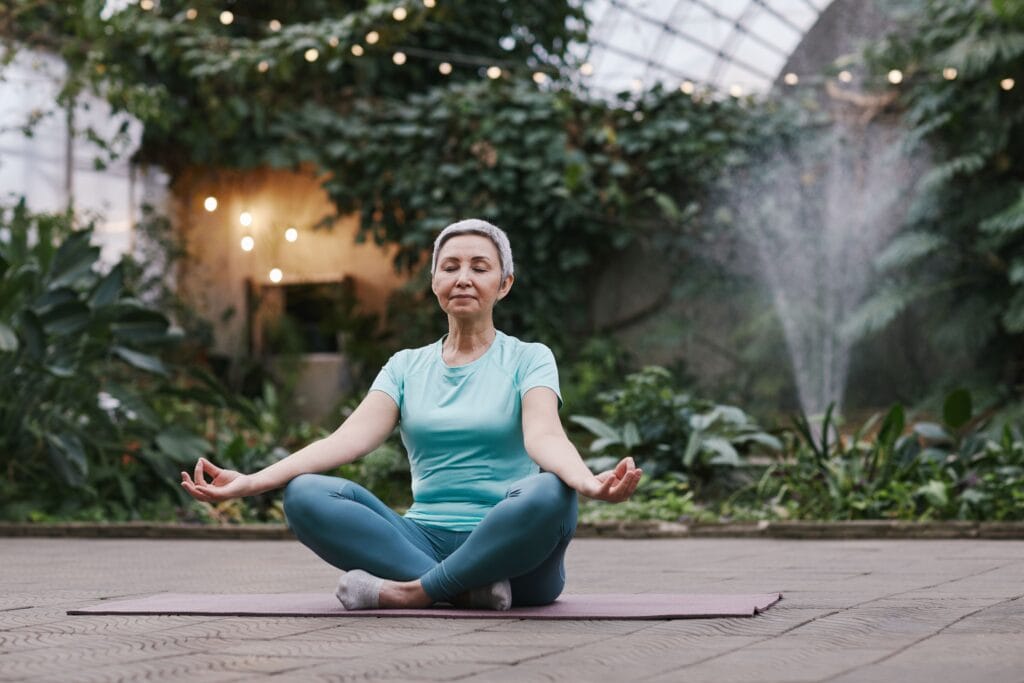
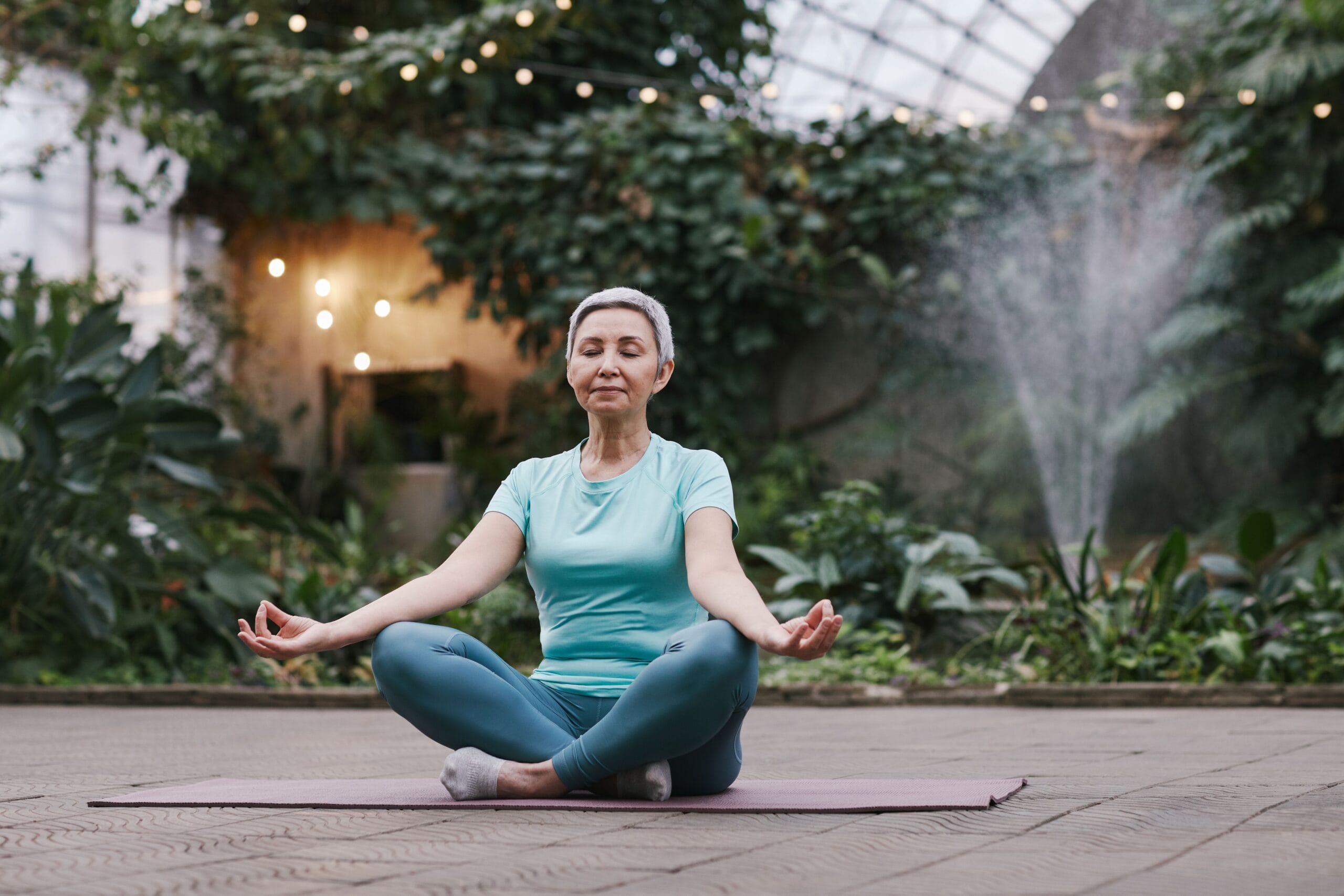
Every morning, before I looked at my phone, I sat on the edge of my bed, closed my eyes, and paid attention to my breath for 10 minutes. No app. No guided voice. Just breath, and noticing when my mind wandered, and returning. That is the whole practice. I used a basic timer on my watch. When thoughts came — and they came constantly at first — I did not try to push them away. I just noticed them and came back. That noticing-and-returning is the actual exercise. The thoughts are not the problem. The relationship to the thoughts is what changes.
What Changed by Day 30
The first thing I noticed, around the two-week mark, was that I was slightly slower to react emotionally. Not robotic — still feeling things — but there was a tiny gap between the stimulus and my response that had not been there before. Someone said something that would normally have immediately irritated me, and I noticed the irritation arrive, watched it for a moment, and then chose how to respond. That gap is incredibly valuable. I had read about it in theory. Experiencing it was different.
By day 30, my sleep had improved noticeably. I was falling asleep faster and spending less time lying awake running over the day. Harvard Medical School research backs this up — regular mindfulness practice has been shown to significantly improve sleep quality, particularly in people prone to anxiety-related insomnia.
What Changed by Day 60
By day 60, the practice had become automatic — which sounds unremarkable until you have experienced what it is like to actually sustain a habit rather than abandoning it. But the more significant change was internal. I was more honest with myself about what I was feeling. The practice of sitting quietly every morning, with nothing to look at and nothing to do, surfaces things you have been running from without realising it. Uncomfortable things. But useful ones. I started to notice patterns in my emotional reactions that I had never seen clearly before.
Research from the National Institutes of Health confirms that regular mindfulness practice measurably reduces cortisol levels — the body’s primary stress hormone — and supports immune function. The effects are cumulative. The longer the practice is sustained, the more pronounced the benefits.
The Things That Did Not Change
Being honest: my life circumstances did not change. The same sources of stress were still there at day 60 as they were on day one. The difficult relationship did not fix itself. The work pressure did not disappear. What changed was my relationship with those things — not the things themselves. Mindfulness does not solve your problems. It changes how much authority they have over your internal state. That is a different and more durable kind of help than a quick fix.
If You Want to Try It
Start with five minutes, not ten. Before you check your phone in the morning. Sit somewhere comfortable. Close your eyes. Follow your breath. When you get distracted — and you will, immediately, every time — come back. Do it for 30 days before you decide whether it is working. The research on habit formation, including Phillippa Lally’s study in the European Journal of Social Psychology, suggests that habits take an average of 66 days to become automatic. Five minutes a day is a genuinely achievable starting point. Start smaller than you think you need to. Consistency beats ambition every time.
Related reading: Finding Your Purpose: A Science-Backed and Spiritual Guide, 5 Ancient Wisdom Practices That Science Has Proven Work, How Your Morning Routine Is Secretly Determining Your Entire Day.

Arlyn Parker is a wellness and mindfulness writer with a background in holistic health coaching. She completed her practitioner training in mindfulness-based stress reduction (MBSR) and holds a certification in positive psychology from an accredited UK provider. Over six years of working with clients navigating anxiety, burnout, and major life transitions gave Arlyn a front-row seat to what actually helps people create sustainable calm — and what doesn’t. Her own experience with burnout in her late 20s, and the slow, deliberate process of rebuilding her health and habits, is the foundation of everything she writes. Arlyn’s work is not about aspirational wellness — it’s about practical, evidence-informed strategies for people living real, complicated lives.