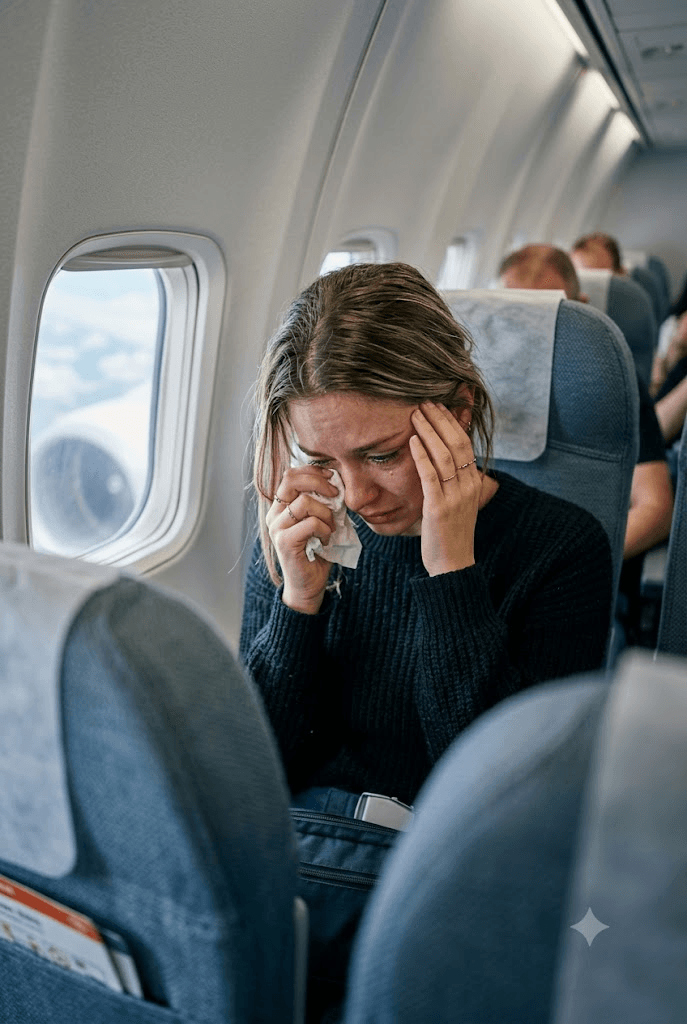
Heartbreak in your 30s is a different creature from heartbreak in your 20s. It carries more weight — the grief of the relationship itself, plus the accumulated weight of the life plan that was attached to it, plus the fear that time is running out to build something different. It can feel both more devastating and more embarrassing than early heartbreaks, as though by this stage of life you should have figured out how to choose better or hurt less. Here’s the honest truth: heartbreak in your 30s is survivable, and not just barely — there are 7 specific reasons why recovery and genuine thriving are not only possible but more accessible to you now than they’ve ever been before.
1. You Know Yourself Better Than You Did at 22
One of the gifts of a decade of adult experience is a significantly greater degree of self-knowledge. You know, broadly, what you need in relationships. You know what your patterns are — the mistakes you’ve made before, the ways you’ve gotten in your own way. You know what genuine connection feels like and what absence of it feels like. That knowledge is an enormous asset in recovery. You’re not rebuilding from a blank slate or from the identity confusion of early adulthood. You’re recovering from a painful specific loss while remaining someone who knows who they are.
Research by developmental psychologist Erik Erikson frames the 30s as the stage of generativity — a period characterised by genuine investment in the world, clear values, and sustained contribution to something beyond oneself. The groundedness that comes with this stage is a genuine protective factor in navigating loss.
2. You Have More Tools for Processing Emotion
By your 30s, most people have accumulated a range of emotional processing tools — therapy (or at least a better understanding of what therapy offers), the capacity to talk about difficult things with close friends, some experience of having survived previous losses and difficult periods. You’re not navigating heartbreak with the emotional vocabulary of a teenager. You understand, even when it doesn’t feel like it, that what you’re experiencing is temporary — that you’ve felt terrible before and eventually felt better.
You also have better access to professional support. Therapy is less stigmatised, more accessible, and more effective than it was a generation ago. If heartbreak in your 30s feels genuinely overwhelming, seeking that support is both available and appropriate.
3. Your Friendships Are Deeper and More Resilient
The friendships you have at 30-something are, on the whole, of a different quality from the friendships of early adulthood. They’ve survived time, distance, divergent life paths, and previous crises. The people who show up for your heartbreak now are people who know you deeply — who can hold the complexity of your grief without flinching, who have their own relationship with loss and can speak to it honestly. That quality of support is one of the most powerful predictors of recovery from any significant loss. For more on the types of friendships that sustain you through difficulty, this piece on the five types of friends every woman needs offers a useful framework for recognising what you already have.
4. You Can Grieve More Honestly
Younger heartbreaks often come with an additional layer of performance — the pressure to seem okay, to not be too much, to manage how the grief is being perceived. By your 30s, many people have developed the capacity and the permission to grieve more honestly — to acknowledge that something really hurt without rushing to demonstrate that they’re already fine. This honest grieving, as counterintuitive as it sounds, actually accelerates recovery. Research on emotional processing consistently shows that people who allow themselves to fully experience and express grief return to baseline functioning more quickly than those who suppress or bypass it.
5. This Heartbreak May Be Carrying Important Information
In your 30s, you’re far more likely to be able to access the insight that a painful ending is trying to offer. What patterns in the relationship reflected something unresolved in you? What needs went unaddressed that this relationship wasn’t able to meet? What did you settle for, or what did you demand, that this experience is illuminating? These are not comfortable questions. They’re also not questions that younger heartbreaks typically allow enough perspective to answer. The grief here can genuinely be the beginning of something more aligned — but only if you let it be informative rather than just devastating. For a framework on how major endings can serve as beginnings, this guide to rebuilding after everything falls apart is directly relevant.
6. Your Sense of Identity Doesn’t Depend on This Relationship
In your 20s, romantic relationships often form a disproportionate part of your identity — because the broader identity is still being constructed. By your 30s, you typically have an established sense of who you are outside any relationship: your work, your friendships, your values, your interests, your accumulated history of being a person in the world. The relationship ending is a significant loss. But it doesn’t take you with it in the same way it might have at 22. You remain someone with a life, a community, a set of capabilities, and a sense of self — even if the grief makes those things temporarily harder to access.
7. You Know What You Actually Want More Clearly Now
The clarity that comes from a painful ending in your 30s — about what you actually need, what you won’t accept, what matters most to you in a partner and in a relationship — is a different order of clarity from anything available earlier. It’s painful intelligence, earned the hard way. But it makes the next relationship you invest in — whenever and however that arrives — significantly more likely to be something that actually works, because you’re bringing to it a far more honest and specific understanding of what you’re looking for and why. For more on what genuinely healthy relationship dynamics look like so you can recognise them when they come, these signs of a truly healthy relationship offer a clear and honest framework.
Frequently Asked Questions
How long does heartbreak typically last in your 30s?
Research on romantic loss suggests that the most acute phase — the intrusive thinking, the intense emotional pain, the inability to concentrate — typically begins to reduce significantly within three to six months, though this varies considerably based on the length and intensity of the relationship, how it ended, and the quality of support available. Most people notice genuine improvement within a year, though “healed” is a broad and individual concept. What’s consistently found is that people significantly underestimate their own resilience — they predict the pain will last much longer than it actually does.
Is it normal to worry about being alone at this age?
Yes — and the fear is understandable even when the underlying premise (that your opportunity to build a meaningful relationship has passed) is not supported by evidence. People find significant, lasting, deeply satisfying relationships at every decade of life. The fear that “it’s too late” is a cognitive distortion shaped by social pressure rather than an accurate representation of your actual prospects. The practical reality is that you are more self-aware, more honest about what you need, and more capable of genuine intimacy than you were a decade ago — qualities that make you a better partner, not a less desirable one.
When should I start dating again after heartbreak in my 30s?

Rubie Le’Faine is the founder of Rubie Rubie and a writer specialising in emotional well-being, self-identity, and the psychology of modern relationships. She holds a Level 3 Certificate in Counselling Skills and has spent over eight years studying attachment theory, cognitive behavioural principles, and human development — first through formal study, then through lived experience that no course can replicate. After navigating a significant relationship breakdown, an identity rebuild, and the complex terrain of rediscovering herself in her 30s, Rubie began writing to make sense of what she had learned and to offer honest, human guidance to others going through the same. She founded Rubie Rubie in 2022 as a space for women seeking real answers, not platitudes. Based in Surrey, UK, her writing is grounded in research, shaped by experience, and centred entirely on the reader’s genuine wellbeing.