I want to be completely honest with you: the idea of a big white wedding, surrounded by everyone I love, with the dress and the flowers and the dancing—I’ve thought about it. I’ve probably fantasised about it more than I’d like to admit. But the cost? I simply cannot justify it. As much as that one day would be magical, the real magic in my life is the time I get to spend with my kids. And when I look at the numbers—what a full wedding would cost versus what those same resources could do for my family over the next several years—the choice becomes obvious, even if it’s not the romantic one society expects me to make.
The Real Cost of a “Dream Wedding”
The average wedding in Australia now costs between $30,000 and $50,000. In the UK and US, figures are similar or higher. That’s not a small number—that’s a family holiday every year for a decade. That’s a home renovation. That’s the deposit on an investment property. That’s years of school activities, sports registrations, music lessons, and family experiences that build memory and connection in a slow, compounding way that a single event simply cannot replicate. When I frame it that way, the decision almost makes itself.
6 Reasons I’m Putting the Big Wedding Dream on Ice
1. My Kids Won’t Remember the Wedding, but They’ll Remember Us
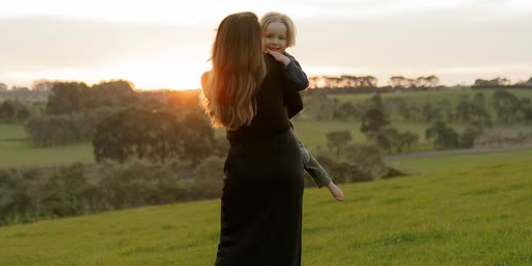
Young children don’t store memories of formal events the way adults do. What they remember—what actually shapes them—is the texture of daily life. Slow Sunday mornings. Mum at school pick-up. Being read to at bedtime. Family dinners with real conversation. The time, attention, and presence I give my children now is infinitely more formative than any single celebration, however beautiful. What I invest in daily connection will live in them far longer than a wedding album.
2. Financial Stress Is the Enemy of a Happy Home
Spending a significant chunk of savings—or worse, going into debt—for a single day creates financial pressure that can linger for years. Financial stress is one of the leading causes of relationship conflict. Starting a marriage under a cloud of debt tied to the wedding itself is a genuinely poor foundation. I’d rather walk into our life together with financial stability and choices, than with a beautiful album and years of catch-up payments.
3. The Meaning Is in the Marriage, Not the Wedding
The commitment I’m making to my partner is not measured by the cost of the venue or the number of guests. It’s measured by how we show up for each other on a Tuesday morning when neither of us has slept properly and the kids need lunches and someone is already crying. The vows matter; the flowers don’t. I want to invest our resources in building a strong marriage, not in performing one for an audience on a single day.
4. Experiences as a Family Build the Life I Actually Want
The money I’d spend on a wedding could fund years of meaningful family experiences: holidays, day trips, cooking classes, camping, concerts, weekend adventures. These experiences build connection, create shared memories, and shape the kind of family culture I’m actively trying to build. A child who grows up with rich shared experiences has something deeply valuable—not because of the cost, but because of the time and presence those experiences represent. For more on prioritising what truly matters, our article on the 95% rule of time with your child is essential reading.
5. A Small Ceremony Can Still Be Deeply Meaningful
Opting out of a big wedding doesn’t mean opting out of a meaningful ceremony. A small, intimate gathering of the people who genuinely matter—rather than the extended social obligation list—can be profoundly moving and personal. Many couples who’ve done this report that their small wedding felt more authentic and connected than a large event would have. You don’t need a crowd to feel celebrated; you need the right people.
6. Modelling Financial Values for My Children
One of the most powerful things I can teach my children is a healthy relationship with money: that it’s a tool for building a good life, not a performance prop. When I make deliberate choices about how to spend and save—and explain the reasoning behind those choices—I’m giving my children a financial education that will serve them for life. Choosing not to spend extravagantly on a wedding, and explaining why, is one chapter in that ongoing lesson. Our piece on debt mindset vs. wealth mindset explores the thinking behind intentional financial choices.
What I’m Doing Instead
We’re planning a small, meaningful ceremony with our closest people—the ones who would show up for us in hard times, not just on good days. And with the rest, we’re investing: in savings, in family experiences, and in the kind of slow, intentional life that doesn’t make for dramatic Instagram content but makes for a genuinely happy one. I’m at peace with that choice. In fact, the more I sit with it, the more right it feels.
Frequently Asked Questions
Is it okay to not want a big wedding?
Completely. There is no single “right” way to mark a marriage. What matters is that the choice reflects your genuine values and is made intentionally—not out of pressure from social expectations or family obligation. Many couples find that smaller, simpler weddings are more meaningful, more affordable, and less stressful than large ones.
How do I deal with family pressure to have a big wedding?
Be clear, kind, and firm. Explain your reasoning without over-justifying: “We’ve thought about it carefully, and this is what feels right for our family.” You may need to repeat this several times before it’s accepted. Remember that the wedding is yours—not your family’s opportunity to perform their social identity. You get to decide.
Will I regret not having a big wedding later?
Research on wedding regret is actually quite interesting: couples who overspent on weddings report higher levels of financial stress and lower relationship satisfaction in the years following. Meanwhile, couples who had smaller, more intimate celebrations tend to remember them with genuine warmth. The regret, when it comes, is far more often about overspending than about choosing simplicity.
Sources & further reading: Psychology Today: Parenting Priorities | American Academy of Pediatrics: Quality Family Time | Gottman Institute: What Children Need.

Rubie Le’Faine is the founder of Rubie Rubie and a writer specialising in emotional well-being, self-identity, and the psychology of modern relationships. She holds a Level 3 Certificate in Counselling Skills and has spent over eight years studying attachment theory, cognitive behavioural principles, and human development — first through formal study, then through lived experience that no course can replicate. After navigating a significant relationship breakdown, an identity rebuild, and the complex terrain of rediscovering herself in her 30s, Rubie began writing to make sense of what she had learned and to offer honest, human guidance to others going through the same. She founded Rubie Rubie in 2022 as a space for women seeking real answers, not platitudes. Based in Surrey, UK, her writing is grounded in research, shaped by experience, and centred entirely on the reader’s genuine wellbeing.