7 Facts About the 95% Rule: How Time Spent with Your Child Before Age 18 Shapes a Lifetime
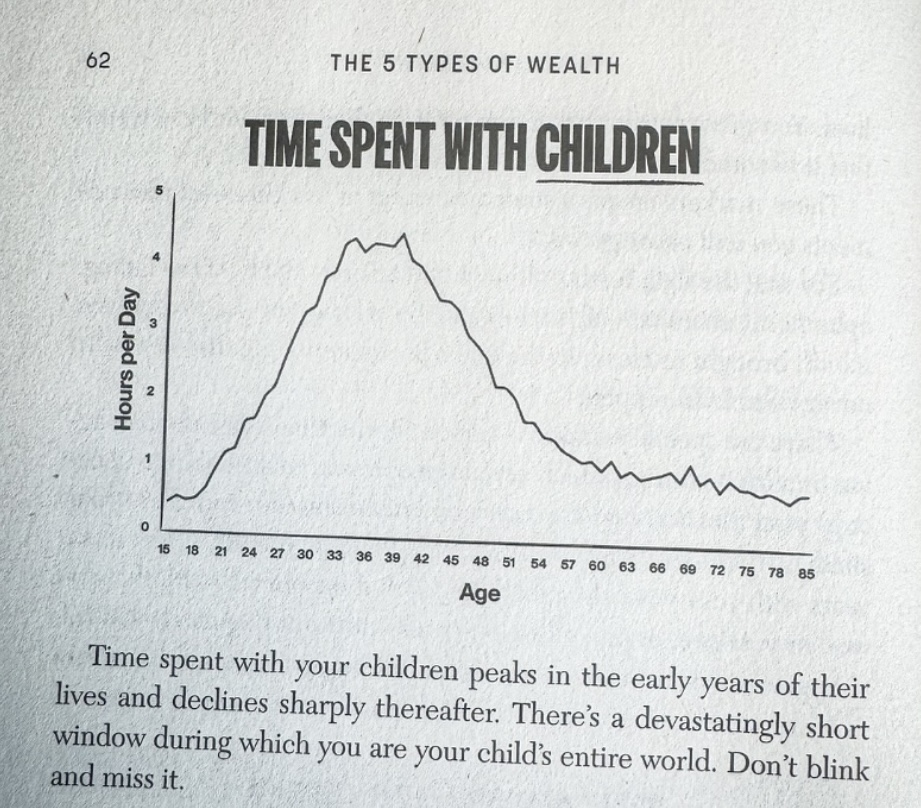
As parents, the time we have with our children is precious—and research suggests that by the time your child turns 18, you will have spent approximately 95% of the time you will ever spend with them in your lifetime. The remaining 5% is spread across the rest of your shared lives: holidays, phone calls, visits, and milestones. This statistic, known as the 95% rule parenting principle, is profoundly confronting and profoundly clarifying. It reframes the ordinary days—the boring Tuesdays, the rushed school mornings, the evenings when you’re too tired to engage—as what they actually are: the substance of your relationship. Here are seven key facts about the 95% rule parenting phenomenon and why it should change how you think about the time you have right now.
Understanding the 95% Rule Parenting Principle
The calculation behind the 95% rule parenting principle is straightforward. If a child lives at home from birth to 18, that’s approximately 6,570 days of close daily proximity. After they leave home, contact typically reduces to perhaps 10–30 days per year for many families. Over the next 60 years of a parent’s life, that equates to 600–1,800 days—far less than the intensive early years. The math is stark, and it makes the case for intentional presence during the years when you have it abundantly.
7 Key Facts About the 95% Rule: Time Spent With Your Child
1. The Early Years Are Critical for Brain Development
Research shows that the experiences children have during their first five years are crucial for brain development. These formative years shape cognitive, emotional, and social skills that influence learning, behaviour, and relationship patterns throughout life. The environment a child inhabits—the emotional tone of interactions, the language they hear, the sense of security they experience—literally shapes the developing brain. This is not to produce parental anxiety but to underline the significance of ordinary daily interactions during this period.
2. Quality of Time Matters, but Quantity Still Counts
There’s a long-standing cultural argument that “quality time” matters more than quantity—used, often, to reassure busy parents that showing up fully for an hour compensates for extended absence. Research complicates this: while quality absolutely matters, children—particularly young children—don’t schedule their emotional needs or their memorable moments on a convenient timetable. Availability creates the conditions for spontaneous connection, unexpected conversation, and the incidental moments that children often remember most vividly. Quantity provides the container in which quality can happen.
3. The Teenage Years Are Not Too Late
Parents sometimes assume that influence diminishes sharply as children enter adolescence—that the real work of connection happens in early childhood and that teenagers are largely shaped by peers. But research on adolescent development tells a different story: the relationship with parents remains profoundly important throughout the teenage years, even when it doesn’t look that way from the outside. Teenagers who have parents who stay genuinely present, interested, and non-reactive tend to have better mental health outcomes, stronger identity development, and more positive peer relationships.
4. Routines Are Where the Real Relationship Lives
Parents tend to place high value on special occasions—holidays, birthdays, big family experiences. But developmental psychologists suggest that the texture of daily life—dinner table conversations, bedtime routines, school drop-offs, car journeys—is where the relational substance is actually built. Children form their sense of who they are, whether they are loved, and whether the world is safe primarily through the ordinary, repeating rhythms of family life. The best investment in your relationship with your child is not the annual holiday; it’s what happens on a Tuesday.
5. Presence Matters More Than Performance
There’s a meaningful difference between being physically present and being genuinely present. A parent can be in the same room while being entirely absent—scrolling, preoccupied, managing the next task in their head. Children are exquisitely sensitive to this distinction. They know when a parent’s attention is genuine and when it’s performative. The connection children benefit from most is warm, attentive, and responsive—not perfectly curated or exhaustingly intensive, but simply there. Our article on what happens when you finally slow down speaks to the profound difference presence makes.
6. Your Children Are Watching You, Not Just Listening
Children learn how to be adults primarily by watching the adults around them. They absorb your relationship with stress, money, conflict, joy, and failure more deeply than they absorb anything you tell them directly. The character you model daily—your integrity, your resilience, your kindness, your capacity for repair after conflict—is the most powerful parenting you do. The time you spend with your child is also time they spend watching how you live, and those lessons compound over years into their own approach to adulthood.
7. The 5% After They Leave Is Shaped by the 95% Before
The relationship you’ll have with your adult child—the warmth, the closeness, the willingness to call and confide and seek out—is built largely during the 95%. Children who grew up in homes where they felt genuinely known, loved, and accepted tend to maintain closer adult relationships with their parents. The investment you make in presence, attunement, and connection during childhood and adolescence is not just about those years—it’s about the relationship you’ll carry forward for the rest of your lives. For more on building meaningful family relationships, our piece on choosing time with your kids over big events offers a useful perspective.
Frequently Asked Questions About the 95% Rule Parenting Principle
Does the 95% Rule apply to all families equally?
The exact percentage varies by family structure, culture, geography, and circumstances. In cultures with stronger multigenerational living arrangements, or for families who maintain particularly close proximity after children leave home, the post-18 percentage may be higher. The 95% rule parenting principle, however—that the majority of close daily contact happens during childhood—holds broadly across most Western contexts.
What if I missed a lot of those early years due to work or other circumstances?
The 95% rule parenting mindset is not meant to produce guilt about the past—it’s meant to prompt intentionality about the present and future. Whatever time you have now is the time you have. Research on attachment and relational repair consistently shows that it’s possible to build and strengthen connection at any age, and that a parent’s genuine effort to engage, listen, and be present matters regardless of what came before.
How can I be more present with my children in daily life?
Start with the existing routines. Put the phone away during dinner. Sit on the floor and play. Drive without the radio sometimes and just talk. Ask better questions: not “how was school?” but “what’s something that surprised you today?” Show genuine curiosity about who your child is as a person, not just how they’re performing. These are small, repeatable acts—and their cumulative effect over years is the relationship itself.
Further Reading & Resources on the 95% Rule Parenting Principle
The following resources provide additional context and research on the 95% rule parenting principle and child development:
- Harvard Center on the Developing Child – Brain Architecture – Research on how early experiences shape brain development in children.
- American Psychological Association – Parenting – Evidence-based guidance on effective parenting strategies and child development.
- UNICEF – Early Childhood Development – Global research on the importance of early childhood experiences for lifelong outcomes.
- CDC – Positive Parenting Tips – Practical guidance from the Centers for Disease Control on nurturing child development at every age.
- Psychology Today – Parenting – Articles and research on parenting psychology, child behaviour, and family relationships.
About the Author
Rubie Le’Faine is the founder and editor-in-chief of Rubie Rubie, a life guidance blog covering relationships, parenting, mental health, and personal growth. With over eight years studying attachment theory and the psychology of human relationships — combined with her own lived experience — Rubie writes with warmth, honesty, and a deep understanding of what readers actually need to hear. Through Rubie Rubie, she offers practical guidance for navigating the emotional and relational challenges of modern life, from 95% rule parenting insights to partnerships, self-discovery, and wellbeing. Discover more of her writing at rubierubie.com.