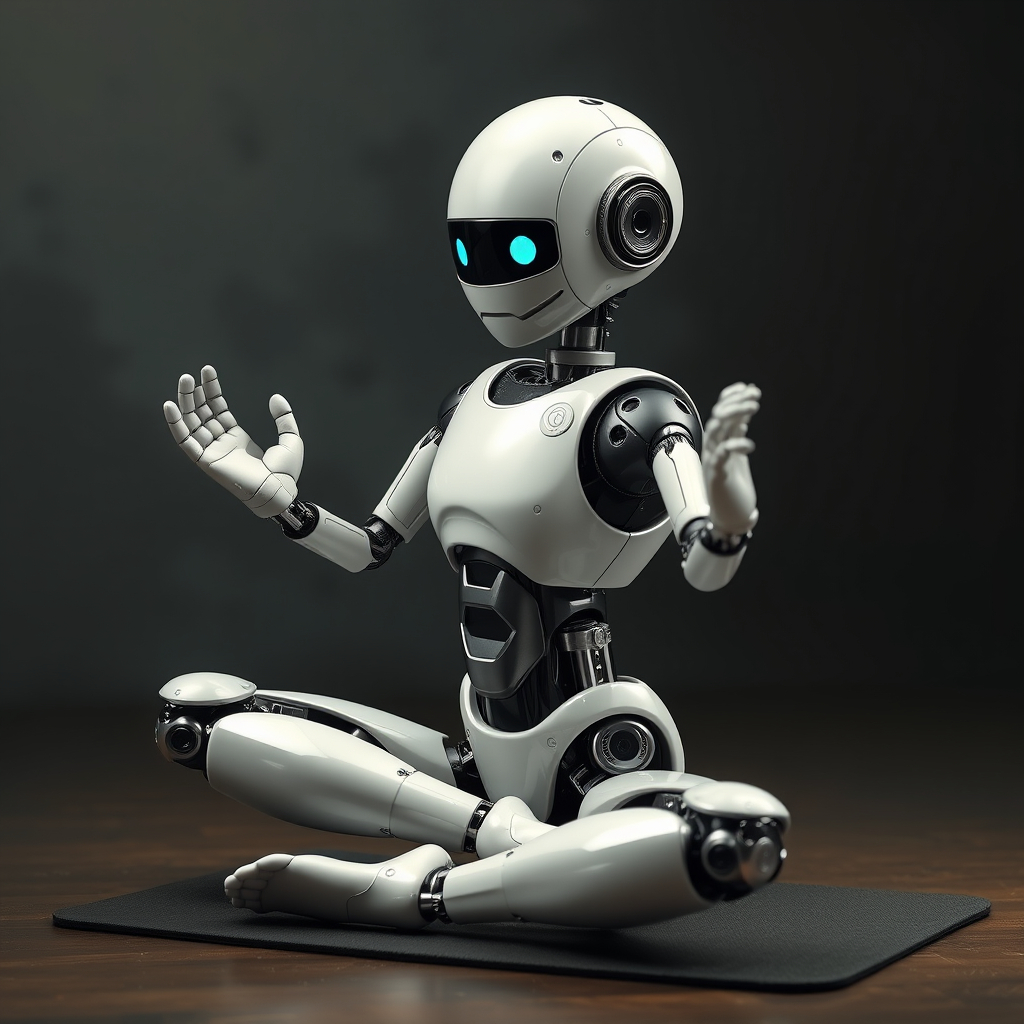
As women, we’re constantly juggling careers, relationships, family, and our own personal growth. Wellness has become not just a luxury but a necessity for navigating a world that doesn’t slow down. Now, with artificial intelligence stepping into the wellness space—guiding meditation, monitoring sleep, recommending diets, and even detecting early signs of depression—a critical question arises: can we trust technology with something as intimate as our health? The promise of AI in wellness is genuinely compelling. But the ethical dimensions deserve our full, clear-eyed attention.
The Promise of AI in Wellness
AI-powered wellness tools have grown significantly in sophistication. Apps now track menstrual cycles and link them to mood patterns. Wearables monitor sleep stages, heart rate variability, and stress indicators. Chatbots offer CBT-based mental health support. Some tools can now flag patterns consistent with depression or anxiety before a person has consciously recognised them. For people with limited access to professional care—due to cost, geography, or stigma—these tools represent a meaningful democratisation of health support. The potential is real.
The Ethical Questions We Need to Ask
1. Who Owns Your Wellness Data?
When you use a wellness app, you’re generating an extraordinarily intimate dataset: your sleep patterns, menstrual cycle, mental health struggles, mood fluctuations, physical symptoms, and daily habits. The question of who owns that data, how it’s stored, whether it can be sold to third parties, and what happens if the company is acquired is critically important—and too often buried in terms of service that most users never read. Before trusting a wellness app with sensitive health data, it’s worth researching the company’s privacy policy and data practices carefully.
2. The Seduction of Personalisation
AI’s greatest appeal in wellness is personalisation: the promise that recommendations will be tailored specifically to you rather than being generic. And personalisation does increase engagement and adherence. But highly personalised systems can also create dependency—a sense that only the app knows what’s right for you—and can reinforce existing patterns rather than genuinely challenging them. Understanding whether the AI is truly adaptive or is simply presenting the illusion of personalisation matters for assessing its actual value.
3. Algorithmic Bias in Health Recommendations
AI systems are only as good as the data they’re trained on—and health data has historically underrepresented women, people of colour, and people from lower socioeconomic backgrounds. An AI trained predominantly on data from one demographic may produce recommendations that are less accurate or appropriate for people outside that group. Women, in particular, have been consistently underrepresented in medical research, meaning that AI systems built on that research may perpetuate rather than correct existing health inequities.
4. Can AI Replace Human Connection in Mental Health Care?
This is perhaps the most important ethical question in the wellness AI space. AI-powered mental health tools can be genuinely useful as supplements—providing accessible support between sessions, normalising help-seeking behaviour, and offering psychoeducation at scale. But they cannot replace the therapeutic relationship, which research consistently identifies as the primary vehicle of change in mental health treatment. A bot can deliver CBT techniques; it cannot hold the complexity of a whole human being in empathic, attuned relationship. The risk is not that people will choose AI over therapy by preference, but that limited access to human care will mean AI becomes a substitute rather than a bridge. Our piece on expressing bottled-up emotions explores why human connection is irreplaceable in emotional processing.
5. The Risk of Over-Medicalising Normal Human Experience
When a wearable flags that your heart rate variability is lower than usual and your sleep was disrupted, and an app suggests this indicates elevated stress—that information may be accurate, useful, and action-prompting. But it may also be anxiety-inducing, create hypervigilance about bodily symptoms, or pathologise what is simply a difficult week. There’s a meaningful difference between technology that supports self-awareness and technology that turns normal human variation into a chronic monitoring project. The best wellness AI empowers; the worst creates a constant subtle hum of health anxiety.
6. Transparency and Explainability
When an AI tool recommends a particular diet, sleep schedule, or mental health intervention, can it explain why? Can users understand the logic behind the recommendation, identify potential errors, and make genuinely informed decisions? Most consumer AI wellness tools operate as black boxes: the output appears, but the reasoning is opaque. This matters because decisions made on health recommendations require informed consent—and informed consent requires comprehensible information about the basis for those recommendations.
How to Use AI Wellness Tools Wisely
This isn’t an argument against AI in wellness—it’s an argument for using it with intentionality. Treat AI wellness tools as a useful starting point rather than a definitive authority. Read privacy policies before sharing sensitive data. Maintain a human care team for any serious health concern rather than relying solely on algorithmic recommendations. Notice whether a particular tool is increasing your wellbeing and self-knowledge, or increasing your anxiety and dependence. And remember: the most powerful wellness technology in existence is still the human capacity for self-reflection, authentic connection, and compassionate self-care. For more on intentional self-care, our piece on why self-care is non-negotiable is worth reading.
Frequently Asked Questions
Are AI wellness apps safe to use?
Most are safe in the sense that they’re unlikely to cause direct harm—but the risks lie in data privacy, over-reliance, and the potential for algorithmic bias in recommendations. They’re safest when used as supplements to, rather than replacements for, human care, and when you’ve done due diligence on the company’s data practices before sharing sensitive health information.
Can AI detect mental health conditions accurately?
AI can identify patterns in data that correlate with mental health conditions—changes in speech, sleep, social behaviour, and movement. Some tools show impressive accuracy in research settings. However, AI detection is a screening tool, not a diagnostic one. A clinical diagnosis requires a qualified professional who can contextualise data within the full complexity of a person’s life, history, and presentation. AI can flag and prompt; it cannot diagnose.
Should I share my mental health data with wellness apps?
With caution and research. Before sharing anything sensitive, read the privacy policy (or find a reputable summary of it), understand where the data is stored and whether it’s shared with third parties, and consider what would happen to that data if the company were sold or went bankrupt. The intimacy of mental health data warrants a higher standard of care than most other digital sharing decisions.
Sources & further reading: WHO: Technology and Mental Health | Harvard Business Review: AI and Human Wellbeing | Psychology Today: Technology and Health.

Cassandra Simpson is a wellbeing and relationship writer with a BSc in Psychology and five years of experience working in community mental health support. She writes about love, friendship, boundaries, and the emotional work of belonging — drawing on both academic grounding and the hard-won perspective that comes from navigating her own relationship patterns, friendships, and personal growth in real time. Cassandra trained as a peer support facilitator and has spent years exploring attachment theory, interpersonal dynamics, and the psychology of connection. Her writing is shaped by a deep belief that most relationship struggles come not from failure, but from the absence of honest, accessible information about how human connection actually works.