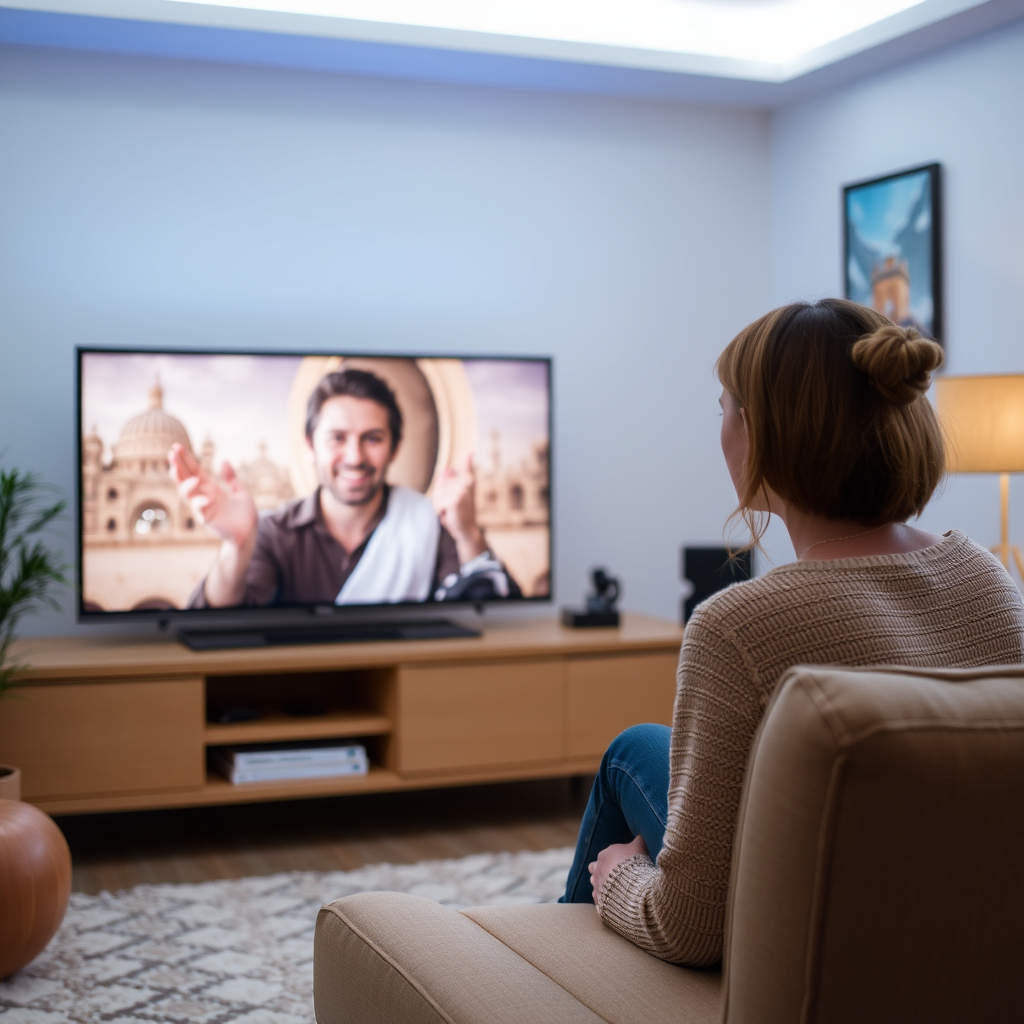
There are evenings when I curl up on the couch, remote in hand, and feel a rush of excitement that I don’t always get in my relationship. It sounds harsh, I know—but TV shows have become a safe space for me in a way that’s hard to fully articulate. They bring comfort, emotional intensity, and a sense of escape that’s sometimes easier to access than true intimacy. While love and connection are deeper and more meaningful in reality, there’s something worth examining when a screen consistently delivers more emotional satisfaction than the person sitting beside you. This isn’t about blaming your partner—it’s about understanding what you might be missing, and why.
The Psychology Behind Why TV Feels So Satisfying
TV shows are engineered to be emotionally compelling. Writers, directors, and producers spend enormous resources crafting narratives designed to hook your emotions, trigger empathy, and create what psychologists call “parasocial relationships”—emotional bonds with fictional characters. These bonds feel real because your brain processes them similarly to actual relationships, releasing oxytocin and dopamine in response to emotional storylines. The key difference? There’s no risk. No rejection. No awkward silences. No vulnerability required from you.
When real relationships feel uncertain, uncomfortable, or emotionally unavailable, the frictionless emotional experience of TV becomes deeply appealing—sometimes more appealing than the real thing.
7 Reasons TV Shows Feel More Rewarding Than Your Relationship Right Now
1. The Drama Without the Consequences
TV shows offer emotional rollercoasters—betrayal, passion, heartbreak, triumph—without any real-life fallout. You can dive into messy storylines and feel deeply without any personal cost. In a relationship that feels routine or emotionally flat, this kind of vicarious intensity can become addictive. It satisfies something without requiring the vulnerability that real intimacy demands.
2. You’re Always Understood by the Story
Good storytelling makes you feel seen. Whether it’s a character navigating loneliness, career pressure, or relationship doubt, when a show reflects your experience back at you, there’s a profound sense of validation. If your partner doesn’t make you feel understood—if conversations feel one-sided or like you’re constantly explaining yourself—a TV show that “gets it” can feel like a relief by comparison.
3. The Relationship Offers What Yours Currently Doesn’t
Sometimes the reason a show feels more satisfying is simply because it’s showing you something your relationship is currently lacking: passion, humour, adventure, depth. Rather than being a sign you should leave your relationship, it can be a useful diagnostic tool. Ask yourself: what does this storyline offer that I’m craving in my real life? That answer is probably more important than the show itself. Our piece on balancing independence and togetherness explores how to keep a partnership feeling alive and intentional.
4. It’s a Form of Emotional Escape
If your relationship involves conflict, stress, or emotional heaviness, TV watching becomes an unconscious form of emotional regulation. It’s a way to step out of discomfort and into a world where you’re not required to feel difficult things. This isn’t inherently bad—everyone needs rest from real life—but when screen time consistently replaces real emotional engagement, it can create distance that compounds existing issues in the relationship.
5. Parasocial Bonds Feel Emotionally Safe
Characters in TV shows never let you down. They don’t forget your birthday, dismiss your feelings, or fail to show up. Parasocial bonds (one-sided emotional connections to fictional people) feel safe precisely because they carry no relational risk. If you’ve been hurt in your relationship or struggled with emotional vulnerability, the predictability of a beloved TV character can feel deeply comforting by contrast.
6. You’re Experiencing Binge-Watching Dopamine Loops
Streaming platforms are deliberately designed with cliffhangers, autoplay features, and reward-based narratives to keep you watching. The anticipation, suspense, and release of each episode creates a dopamine loop that’s physiologically compelling. This isn’t a character flaw—it’s neuroscience being exploited for profit. Being aware of this dynamic can help you make more intentional choices about how you spend your time and emotional energy.
7. Your Relationship May Need a Genuine Reset
If you consistently prefer TV to spending quality time with your partner, it’s worth sitting with that honestly. It doesn’t have to mean the relationship is over, but it does suggest something needs to change. Couples who feel connected, seen, and excited by each other’s company rarely choose a screen over real connection. This might be a sign to prioritise quality time, honest conversation, or professional support. For deeper reflection on what a genuinely fulfilling relationship looks like, read our article on the power of vulnerability in building real love.
What This Pattern Is Really Telling You
Preferring TV to your partner doesn’t automatically mean you’ve fallen out of love—but it does mean something is emotionally out of balance. The question worth asking is: am I escaping from something uncomfortable, or am I genuinely just winding down? There’s a meaningful difference between using TV as rest and using it to avoid connection. One is healthy; the other is a signal worth taking seriously.
Sometimes the most courageous thing you can do is put the remote down, turn toward your partner, and have the real conversation that’s been waiting.
Frequently Asked Questions
Is it normal to feel more emotionally engaged by TV than by my partner?
Yes, it’s more common than most people admit. TV is designed to be emotionally engaging with minimal effort from you. If it’s happening consistently, though, it’s worth exploring what emotional needs aren’t being met in your relationship—curiosity, excitement, feeling heard, or depth of connection.
Can watching too much TV damage a relationship?
Watching TV together can actually be a bonding activity. The issue arises when it consistently replaces real conversation, intimacy, or quality time. If one or both partners regularly retreats to screens to avoid emotional engagement, it can create a pattern of disconnection that gradually erodes closeness.
What should I do if I realise I’m using TV to avoid my relationship?
Start with honest self-reflection: what exactly are you avoiding? Then bring that awareness into a gentle, non-blaming conversation with your partner. Sometimes naming the pattern out loud is enough to shift it. If the avoidance is deeply entrenched, working with a therapist—individually or as a couple—can help you unpack what’s driving it and what needs to change.
Further Reading & Sources
- APA: Healthy Relationships
- Psychology Today: Relationships
- PubMed: Relationships & Well-being Research

Gracie Webb is a writer and researcher with a first-class degree in Psychology and over seven years of experience studying behavioural change, self-development, and the science of decision-making. She worked for four years as a research assistant in a cognitive behavioural therapy clinical setting, where she observed first-hand the gap between what people know they should do and what they actually do — a gap that sits at the centre of nearly all her writing. Gracie’s personal journey through a toxic long-term relationship, the slow process of rebuilding her self-worth, and the year she spent in therapy gave her both the intellectual framework and the personal authority to write about growth with honesty. Her work is rigorous, compassionate, and consistently aimed at the reader who is genuinely trying to change.