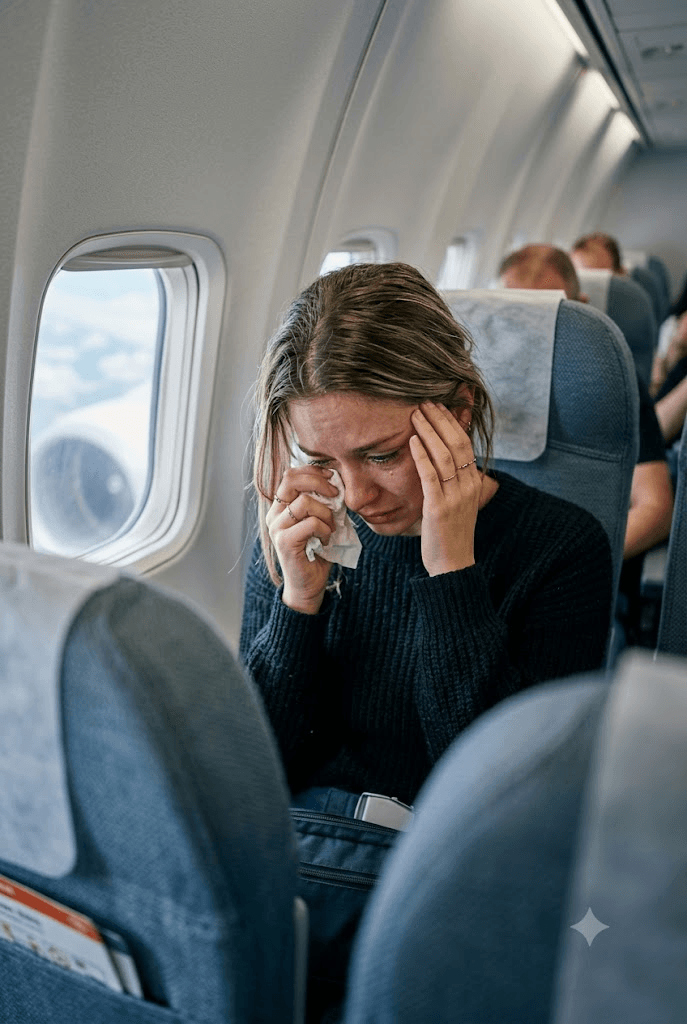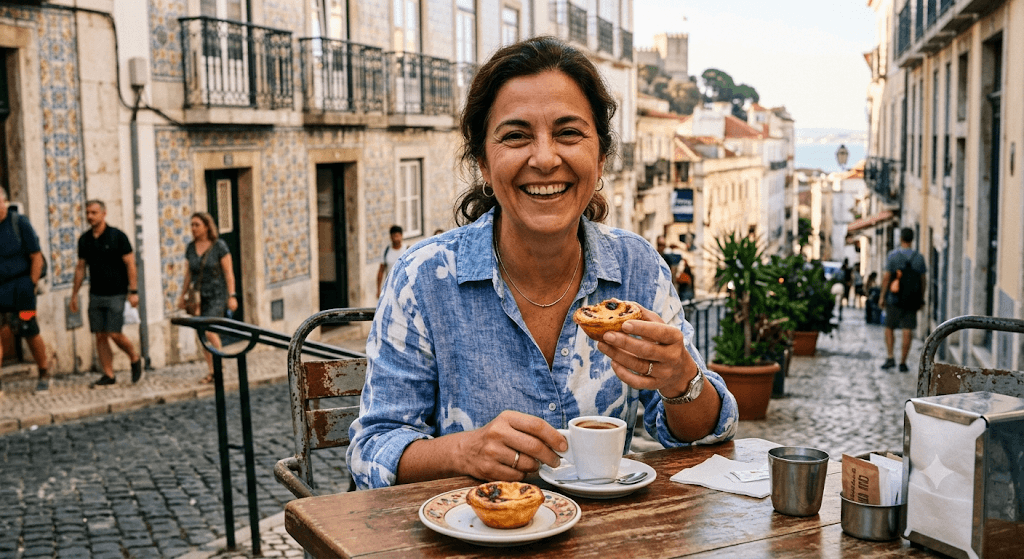
There is a particular kind of wisdom that only comes from having been genuinely broken. Not tested — actually broken. The kind of difficulty that removes every option except the one that leads through. And at the other side of that passage is a version of understanding — about yourself, about what matters, about what you’re capable of — that no comfortable life could have produced.
This is the honest truth behind the idea that it takes darkness to find the light: not that suffering is good, or that difficulty should be sought out, but that the hardest periods of a life are often also the most formative — the ones that strip away what was never really yours and reveal what actually is.
Why Difficulty Changes Us in Ways Comfort Cannot
Post-traumatic growth — the phenomenon in which people report genuine positive change following adversity — is one of the more consistently replicated findings in psychology. It doesn’t mean that trauma is neutral or that suffering is to be romanticised. It means that the human capacity for adaptation and meaning-making is real and powerful, and that genuine hardship, when survived, often leaves people with a different and often deeper relationship with their own life.
Specifically, research on post-traumatic growth finds that people commonly report: a stronger sense of their own resilience and capability, deeper and more authentic relationships (particularly with those who showed up during the difficulty), renewed appreciation for ordinary life, clarification of genuine values and what actually matters, and sometimes an openness to spiritual or philosophical dimensions of experience that wasn’t there before. These are not small things. They are the conditions for a life that is genuinely richer for having navigated the dark.
What the Dark Periods Actually Do
When a life falls apart — through grief, illness, relationship breakdown, professional failure, or the specific kind of loss that comes from realising that something you built your identity around was never really what you thought — several things happen simultaneously.
The structures and stories that gave your life meaning become unavailable or visibly inadequate. The coping strategies that worked in ordinary circumstances stop working. The version of yourself that navigated the previous chapter of your life may not be the version equipped to navigate the current one. And all of this is genuinely terrifying, genuinely disorienting — and, in retrospect, often experienced as the necessary conditions for becoming someone more honestly yourself.
The process of rebuilding your life after everything falls apart is not just a recovery project. It is an identity project — a renegotiation of who you are and what your life is for that is genuinely only available after the previous structure has been released.
The People Who Show Up in the Dark
One of the most consistently reported aspects of having been through genuine difficulty is a new clarity about relationships. The people who show up when things are hard are not always who you expected. Sometimes the people you thought would be there aren’t, and this is its own form of painful knowledge. But the people who are there — who sit with you in the genuinely difficult moments, who don’t require you to perform recovery you haven’t made, who bring food or call when the silence is too heavy — these people become something different in your relational world. They become irreplaceable.
Understanding what kinds of friendships genuinely sustain a person becomes very clear when you’ve needed them in a real way. Difficulty is, among its other effects, a kind of relational clarification.
How to Navigate the Dark Without Losing Yourself
Survival of a dark period is not passive — it is active, even when the activity available to you is very small. Some principles that actually help, based on both psychological research and the honest accounts of people who have been through it:
Narrow your time horizon. When the future feels unnavigable, focus on today. Sometimes on this hour. The question is not “how do I rebuild my whole life?” but “what is the one thing that needs to happen today?” Small, doable forward movement is still forward movement, and it accumulates.
Let yourself be helped. The instinct to manage difficulty privately, to not want to burden others, to perform coping you don’t feel — this is understandable and also one of the most isolating choices you can make in a hard time. People who care about you want to help. Let them.
Don’t try to make meaning too soon. The impulse to find the lesson, to understand why this happened, to locate the growth in the pain — this is natural but sometimes premature. Some meaning only becomes available with distance. In the early stages of genuine difficulty, simply surviving is enough. The understanding comes later.
For a deeper look at what the body and mind need when you finally have space to slow down and process difficulty, what happens when you finally slow down offers a useful and honest account.
Frequently Asked Questions
Does everyone experience growth after difficulty?
No — post-traumatic growth is not universal, and it’s important not to suggest that people who have experienced difficulty “should” be growing from it. Some people are significantly harmed by adversity in ways that require sustained support and treatment. Post-traumatic growth tends to be more accessible with adequate social support, time, and where possible, professional support. It is a genuine human capacity, not a requirement of suffering.
How long does it take to come through a dark period?
This varies enormously depending on the nature and severity of what was experienced, the support available, individual resilience factors, and whether the person has access to appropriate professional support. There is no timeline that is normal or abnormal. What matters most is that the direction is, over time, toward greater functioning and greater reconnection with life — and that the person is not navigating it alone.
Sources & further reading: Psychology Today: Post-Traumatic Growth | APA: Finding Strength Through Adversity | NCBI: Post-Traumatic Growth Research.

Rubie Le’Faine is the founder of Rubie Rubie and a writer specialising in emotional well-being, self-identity, and the psychology of modern relationships. She holds a Level 3 Certificate in Counselling Skills and has spent over eight years studying attachment theory, cognitive behavioural principles, and human development — first through formal study, then through lived experience that no course can replicate. After navigating a significant relationship breakdown, an identity rebuild, and the complex terrain of rediscovering herself in her 30s, Rubie began writing to make sense of what she had learned and to offer honest, human guidance to others going through the same. She founded Rubie Rubie in 2022 as a space for women seeking real answers, not platitudes. Based in Surrey, UK, her writing is grounded in research, shaped by experience, and centred entirely on the reader’s genuine wellbeing.