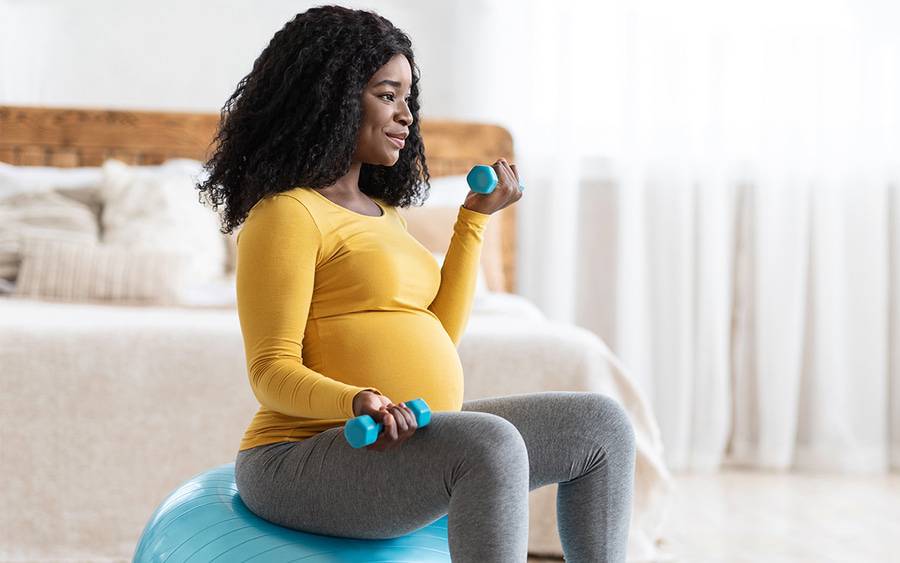
Pregnancy and the postpartum period represent one of the most physically demanding experiences a human body undergoes. The idea that exercise should stop when pregnancy begins is not just outdated — for most women with healthy pregnancies, it is actively counterproductive. A growing body of research confirms that regular exercise and strength training before, during, and after pregnancy benefits both mother and baby in profound ways. Here is what you need to know.
The Evidence Is Clear: Exercise Benefits Both Mother and Baby
The Royal College of Obstetricians and Gynaecologists, along with major health bodies worldwide, recommends that pregnant women with uncomplicated pregnancies aim for at least 150 minutes of moderate-intensity activity per week — the same recommendation as for the general population. Far from being a risk, exercise in pregnancy is associated with reduced rates of gestational diabetes, pre-eclampsia, excessive gestational weight gain, caesarean section, and perinatal depression.
For the baby, maternal exercise during pregnancy is associated with improved cardiovascular health, healthier birth weight, and even potential cognitive benefits. The physiological benefits of an active pregnancy extend into the child’s development in ways that researchers are only beginning to fully understand.
Why Strength Training Matters Specifically
Cardiovascular exercise — walking, swimming, cycling — tends to receive most of the attention in pregnancy fitness guidance. But strength training deserves equal billing, for several important reasons. Pregnancy places enormous physical demands on the body: the weight of the growing baby, the shifting centre of gravity, the loosening of joints by the hormone relaxin, and the increasing demands on the cardiovascular system all require a strong muscular foundation to manage safely and comfortably.
Strong glutes reduce the pelvic pain and lower back pain that affect a significant proportion of pregnant women. A strong core (properly trained for pregnancy, with modifications for diastasis recti) supports the spine and the growing belly. Strong legs and upper body make the physical demands of labour and the early postpartum period — carrying, feeding, and caring for a newborn — considerably more manageable.
Pelvic Floor Health: The Often-Overlooked Priority
No discussion of pregnancy fitness is complete without addressing the pelvic floor — the group of muscles that support the bladder, uterus, and bowel. The pelvic floor undergoes enormous strain during pregnancy and childbirth, and weakness or dysfunction in these muscles is associated with urinary incontinence, pelvic organ prolapse, and sexual dysfunction — conditions that affect a significant number of women postpartum and that are rarely discussed as openly as they should be.
Targeted pelvic floor strengthening — guided by a pelvic health physiotherapist where possible — should be part of every pregnant woman’s exercise programme. This is not just Kegel exercises (which, while valuable, are only part of the picture); it includes breathing mechanics, intra-abdominal pressure management, and functional movement patterns that protect the pelvic floor under load.
Important Modifications for Pregnancy Exercise
While exercise in pregnancy is broadly safe and beneficial, specific modifications are necessary as pregnancy progresses. From around 16–20 weeks, exercises performed flat on the back should be avoided, as the weight of the uterus can compress the vena cava and reduce blood flow. High-impact activities may need to be modified or replaced as the pelvic floor’s capacity to manage impact loading changes. Breathwork should be integrated throughout — breath-holding and Valsalva manoeuvres during heavy lifting increase intra-abdominal pressure in ways that are not ideal during pregnancy.
Lifting weights is not contraindicated in pregnancy — many women continue to lift throughout — but the guidance should come from a fitness professional with specific training in prenatal and postnatal exercise, not from generic gym programmes or assumptions about what “looks” safe. Self-care and investing in your physical health during pregnancy is a direct investment in your family’s wellbeing. This connects to the broader principle of understanding that self-care is never selfish.
Postnatal Fitness: The Return to Exercise
The postnatal period is where many women’s fitness journeys go wrong — not through lack of motivation, but through overly rapid return to high-impact or high-load exercise before the body has sufficiently recovered. The traditional guidance of “cleared at six weeks” is widely considered outdated by pelvic health professionals: it is a check of basic wound healing, not a clearance for impact exercise or heavy lifting.
A graduated, evidence-based return to exercise — typically starting with walking, breathing work, and pelvic floor rehabilitation, and slowly progressing over 12 weeks or more — produces significantly better long-term outcomes than rushing back to pre-pregnancy activity. Working with a pelvic health physiotherapist in the first months postpartum is one of the most valuable investments a new mother can make in her long-term physical health. Navigating new parenthood while caring for your own physical health is also explored in 7 practical steps to self-care as a busy mom.
Mental Health Benefits of Exercise in Pregnancy
The mental health benefits of regular exercise during pregnancy are substantial and well-evidenced. Regular physical activity reduces anxiety and depression symptoms, improves sleep quality, enhances body image during a period of significant physical change, and provides a sense of agency and efficacy at a time when much feels outside one’s control. For women with a history of anxiety or depression, maintaining physical activity during pregnancy can be a genuinely important component of their mental health management — alongside appropriate professional support where needed.
Frequently Asked Questions
Is it safe to start a new exercise programme during pregnancy if I was not active before?
Yes — with appropriate guidance and a gradual build-up. Pregnancy is not the time to dramatically increase exercise intensity if you were previously sedentary, but beginning a walking programme, gentle swimming, or a pregnancy-specific fitness class is appropriate for most healthy pregnancies. Always inform your midwife or obstetric care provider of your exercise plans, particularly if you have any complicating factors, and choose instructors or programmes specifically qualified in prenatal fitness.
What are the warning signs to stop exercising during pregnancy?
Stop exercise immediately and seek medical advice if you experience vaginal bleeding, significant shortness of breath before exertion, chest pain, headache, muscle weakness affecting balance, calf pain or swelling, preterm labour symptoms, or decreased foetal movement. These signs warrant medical evaluation before returning to any physical activity. Most women, however, exercise throughout healthy pregnancies without encountering any of these issues.
How can I stay motivated to exercise with pregnancy fatigue?
First trimester fatigue is particularly intense for many women and can make regular exercise feel impossible. The most useful strategies are reducing intensity and duration rather than stopping entirely — even a 15-minute walk is valuable — scheduling exercise at the time of day when energy is highest, and connecting with a fitness community or class for social accountability. Many women find that the fatigue of the first trimester lifts significantly in the second, which tends to be the most active period of the pregnancy. Shorter, more frequent movement snacks are often more achievable than long scheduled workouts.
Sources & further reading: NHS: Exercise During Pregnancy | ACOG: Exercise Guidelines for Pregnancy | WHO: Physical Activity and Health.

Arlyn Parker is a wellness and mindfulness writer with a background in holistic health coaching. She completed her practitioner training in mindfulness-based stress reduction (MBSR) and holds a certification in positive psychology from an accredited UK provider. Over six years of working with clients navigating anxiety, burnout, and major life transitions gave Arlyn a front-row seat to what actually helps people create sustainable calm — and what doesn’t. Her own experience with burnout in her late 20s, and the slow, deliberate process of rebuilding her health and habits, is the foundation of everything she writes. Arlyn’s work is not about aspirational wellness — it’s about practical, evidence-informed strategies for people living real, complicated lives.
Further Reading