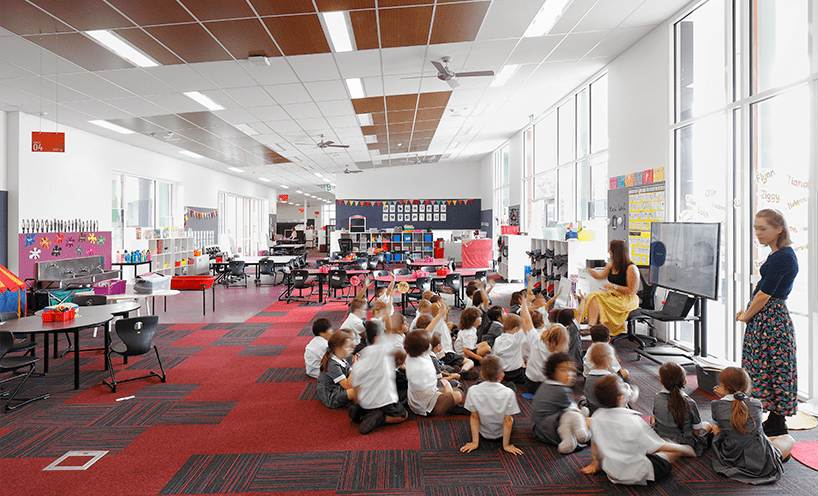
I have a clear memory of a parents’ evening when my daughter was seven. Her teacher, Miss Chen, sat across from us with the composed, warm, professional demeanour that teachers somehow maintain through five back-to-back fifteen-minute appointments and a day of thirty children before that. She gave us genuinely thoughtful feedback. She knew my daughter — really knew her, the specific way she held her pencil and the particular thing that made her laugh and the reading book she’d been most excited about. I left feeling reassured and grateful. It wasn’t until I was walking home that I thought to wonder how Miss Chen was doing. I hadn’t asked. Neither had most of the other parents in that corridor.
Teaching is one of the most emotionally demanding professions in existence, and it’s one of the least publicly acknowledged as such. This piece is an attempt to bridge the gap — to share what teachers actually experience and how parents can show up in ways that genuinely help.
What Teachers Are Actually Carrying
The emotional labour of teaching — the sustained, skilled management of relationships with thirty children simultaneously, the attention to individual needs, the regulation of your own emotional state regardless of your personal circumstances — is significant and largely invisible. Research by Dr. Megan Mahoney at the Education Support Partnership found that 68% of teachers describe their workload as unmanageable, and that teachers have some of the highest rates of stress, burnout, and work-related mental health difficulties of any professional group in the UK.
Beyond workload, teachers navigate something that parents rarely see: the full spectrum of children’s experience in a single room. Every class contains children carrying things that aren’t visible from the surface — family difficulties, developmental challenges, emotional pain. Teachers are often the first adults to notice, the first to respond, and frequently the first to try to get help. They do this while simultaneously delivering a curriculum, managing behaviour, and meeting administrative requirements that have expanded significantly over the last decade.
What Makes Parents’ Evenings Stressful From the Teacher’s Side
Parents often arrive at parents’ evenings with anxiety about their child’s progress, which is completely understandable. What’s less often considered is that teachers arrive with the accumulated weight of every conversation they’ve had that day, the knowledge of difficult things they need to share, and the particular pressure of having only a few minutes to establish trust, deliver honest feedback, and navigate potentially defensive or emotionally charged parental reactions.
The parents who create the most difficult parents’ evening experiences are, typically, those who arrive with a predetermined narrative about their child’s experience, become defensive when teachers raise concerns, take academic progress as a personal reflection of their parenting, or use the limited time to vent frustration rather than seek useful information. The parents who create the most productive ones arrive curious, ask genuine questions, accept both positive and constructive feedback, and treat the teacher as a partner in their child’s education rather than a service provider or a target for accountability.
How to Help: Practical Things That Actually Make a Difference
Acknowledge the person, not just the professional. A simple “how are you finding this term?” at the start of a parents’ evening interaction — genuine rather than rhetorical — shifts the dynamic. Teachers spend so much time being the professional holding the space for others that being asked genuinely how they’re doing can be disproportionately meaningful.
Follow through on what’s discussed. If a teacher shares a concern about your child — a learning need, a social dynamic, something that warrants attention at home — and you address it, letting the teacher know is both encouraging and useful. Most teachers share concerns without ever finding out whether parents took them seriously. The feedback loop matters.
Express specific appreciation, not just general thanks. “Thank you so much” is kind. “Thank you for noticing that about my son — it meant a lot to know someone had spotted it” is deeply meaningful. Teachers carry their work personally in ways they don’t often get to acknowledge, and specific recognition of specific things they’ve done well lands differently from generic appreciation. Understanding the emotional dimension of all caregiving relationships — including professional ones — connects to what we explore in authentic connection and presence. And if you’re a parent navigating the balance between your child’s needs and your own capacity, these practical self-care steps for busy mums speak directly to the exhaustion of holding a lot at once.
Frequently Asked Questions