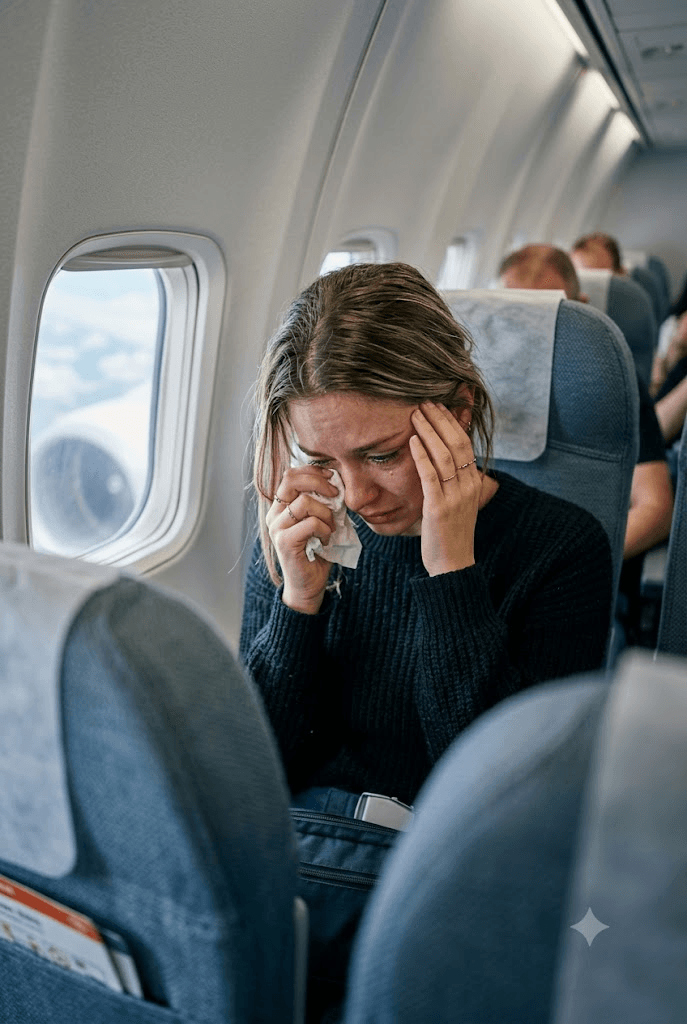
The first 48 hours after a significant relationship ends are, for most people, among the most acutely painful of their adult lives. The pain is not metaphorical — neuroimaging research has shown that social rejection and romantic loss activate the same brain regions as physical pain. What you are experiencing in those first two days is a genuine neurobiological event, compounded by grief, shock, disrupted routine, and the disorienting task of reconstructing your sense of the future without someone you expected to be in it. Here are eight things worth knowing as you navigate it.
1. The Pain Is Real — Not Just Emotional
When the Naomi Eisenberger brain-imaging research on social rejection was published, it confirmed what anyone who has experienced heartbreak already suspected: the pain of relationship loss involves the same neural pathways as physical injury. Your anterior cingulate cortex — which processes the emotional component of physical pain — lights up in the same way whether you have been punched or rejected. This is not a weakness or an overreaction. It is your nervous system doing its job in response to a genuinely significant loss.
2. The First 48 Hours Are the Physiological Peak
The acute intensity of early heartbreak — the physical symptoms (chest tightness, difficulty breathing, nausea, loss of appetite), the inability to focus, the intrusive thoughts — tends to be most intense in the first 24 to 72 hours. This is a neurochemical storm: dopamine, serotonin, and oxytocin systems are all disrupted simultaneously. The person who has been the source of these neurochemicals is suddenly absent, and the brain is responding to what it registers as a crisis. Knowing this does not make it easier, but it does make the experience more comprehensible — and more temporary.
3. Do Not Isolate — Even When You Want To
The instinct to withdraw and be alone is understandable and sometimes appropriate for short periods. But prolonged isolation in the first days of heartbreak removes the social contact that the nervous system uses to regulate itself. Human beings co-regulate — we help each other manage emotional states through physical presence, touch, tone of voice, and shared experience. The friend who sits with you without needing to fix anything, the family member who makes you eat something, the person whose presence is simply stabilising — these are not just emotional support. They are physiological support for an overwhelmed nervous system.
The right people matter here. Choose people who can be genuinely present without needing to talk you out of your feelings or rush you toward “feeling better.” Gentle, warm, accepting presence is what the first days require. The types of friends who provide this kind of support are explored in the friends every woman genuinely needs in her life.
4. Do Not Make Any Major Decisions
The first 48 hours of heartbreak are not a time for decisions about your life, your future, or your response to the relationship itself. Your prefrontal cortex — the brain region responsible for executive functions including planning, perspective-taking, and complex decision-making — is significantly compromised by the acute emotional state. Decisions made in this state tend to be driven by the intense desire to relieve pain rather than by your genuine values and long-term interests. Block the person’s number if you need to prevent contact — but do not send the message you are composing, make the dramatic life change you are considering, or have the confrontation you are planning. Those decisions deserve a more functional version of you.
5. Let Yourself Cry — It Has Physiological Value
Crying is not a sign of weakness or inability to cope. It is a physiological mechanism for managing acute emotional pain. Emotional tears (as distinct from reflex tears produced by irritants) contain elevated levels of stress hormones and endorphins — literally releasing stress chemicals from the body and replacing them with mild natural painkillers. Research by William Frey found that the vast majority of people who cry report feeling better afterwards. The cathartic function of crying is real. Give yourself permission to do it fully rather than suppressing it.
6. Eat and Sleep as Best You Can
Loss of appetite and difficulty sleeping are among the most universal physiological responses to heartbreak. Both are counterproductive to emotional recovery and both need to be managed even when they feel impossible. Eating something — even something small — maintains blood sugar and provides the neurochemical building blocks that emotional recovery requires. Sleeping, even briefly and imperfectly, allows the brain’s memory consolidation and emotional processing systems to do their work. Do not use acute heartbreak as an opportunity to stop caring for your body. Your physical state is the foundation your emotional recovery builds on.
7. Expect the Waves — They Are Not Permanent
Grief — including the grief of relationship loss — does not arrive as a steady state. It comes in waves: intense for a period, then subsiding to something more bearable, then intensifying again without obvious warning. A moment of feeling almost okay is not the end, and a wave of intense pain after a calmer period does not mean you are going backward. This oscillation is how emotional processing works. The waves become less frequent and less intense over time — not in a linear progression, but as a general trajectory. The first days are the roughest water. Knowing this does not eliminate the waves, but it makes them less frightening when they come.
8. This Is the Beginning of Rebuilding — Not the End
The first 48 hours of heartbreak feel like an ending because they are one. But they are also the beginning of something — a process of reclaiming yourself, clarifying what you want, and building what comes next. This is not something that is visible or helpful in the immediate pain of those first days. But it is worth planting, even lightly: the people who have come through significant heartbreak often describe it as a turning point that, in time, they would not undo. Not because the loss was not real — it was — but because of who they became in navigating it. The process of rebuilding after loss is explored in how to rebuild your life after everything falls apart — and the self-knowledge gained in the aftermath is genuinely valuable.
Frequently Asked Questions
How long does heartbreak actually last?
Research is limited, but studies suggest that the most acute phase of heartbreak typically lasts from a few weeks to a few months, with recovery curves varying significantly based on relationship length and depth, attachment style, support system quality, and the circumstances of the ending. Most people report feeling substantially better within three to six months. The grief of significant long-term relationships can take considerably longer. If acute symptoms persist beyond three months without significant improvement, professional support is appropriate and genuinely helpful.
Should I stay in contact with my ex in the early days?
For most people, in most circumstances, a period of no contact following a significant breakup supports recovery more effectively than maintained contact. Contact keeps the neurochemical reward and withdrawal cycle active, prevents the nervous system from completing its adaptation, and frequently leads to confusion about the finality of the ending. There are exceptions — shared children, workplace contact — that make complete no-contact impossible. In those cases, minimal, functional contact limited to necessary logistics is the recommended approach.
Is it normal to feel physically ill during heartbreak?
Completely normal. The physical symptoms of acute heartbreak — chest tightness, loss of appetite, nausea, difficulty breathing, fatigue — are well-documented physiological responses to the neurochemical disruption caused by relationship loss. They are not signs that something is medically wrong with you. If physical symptoms are severe enough to prevent basic functioning for more than a few days, speaking with your GP is appropriate to rule out other causes and to discuss support options.
Sources & further reading: Psychology Today: Recovering From Breakups | APA: Building Resilience | Mental Health Foundation: Grief and Loss.

Arlyn Parker is a wellness and mindfulness writer with a background in holistic health coaching. She completed her practitioner training in mindfulness-based stress reduction (MBSR) and holds a certification in positive psychology from an accredited UK provider. Over six years of working with clients navigating anxiety, burnout, and major life transitions gave Arlyn a front-row seat to what actually helps people create sustainable calm — and what doesn’t. Her own experience with burnout in her late 20s, and the slow, deliberate process of rebuilding her health and habits, is the foundation of everything she writes. Arlyn’s work is not about aspirational wellness — it’s about practical, evidence-informed strategies for people living real, complicated lives.