There’s a shift happening this summer — and if you’ve been feeling it, chances are you’re already on your way. The phrase “Brat Girl Summer” has been floating around since Charli XCX’s album Brat sparked a cultural conversation about a specific kind of woman: unapologetic, carefree, a little chaotic, and completely herself. But what does that actually mean in real life? And how do you know if this is your summer to step into that energy?
Unlike the polished, aesthetically curated “Hot Girl Summer,” Brat Girl Summer is messier, bolder, and a lot more honest. It’s less about looking a certain way and more about feeling a certain way. According to research published in the Journal of Personality and Social Psychology, authentic self-expression — showing up as you genuinely are rather than a curated version — is one of the strongest predictors of long-term wellbeing and satisfaction. Brat Girl energy, it turns out, is actually good for you.
So are you ready for it? Here are eight signs this is your summer.
1. You’ve Stopped Apologising for Taking Up Space
This is the big one. For years, maybe you’ve been shrinking — quieting your opinions in group settings, laughing off comments that actually bothered you, or pre-emptively apologising just to keep the peace. If you’ve hit a wall with all of that and simply can’t do it anymore, that’s not a personality flaw. That’s growth. Brat Girl energy begins the moment you decide your presence doesn’t require an apology.
2. You’ve Chosen Your Own Fun Over Someone Else’s Comfort
Cancelling plans because you actually don’t want to go. Ordering the thing on the menu you actually want, not the smallest option. Saying no to a night out that would leave you drained, and saying yes to a night out that excites you — even if people think it’s out of character. Prioritising your own joy isn’t selfishness. A Harvard Health study on social wellbeing confirms that people who set limits on draining social obligations report higher energy levels and better mental health outcomes. You knew this intuitively. Now science agrees.
3. You’ve Started Dressing for Yourself — Not the Room
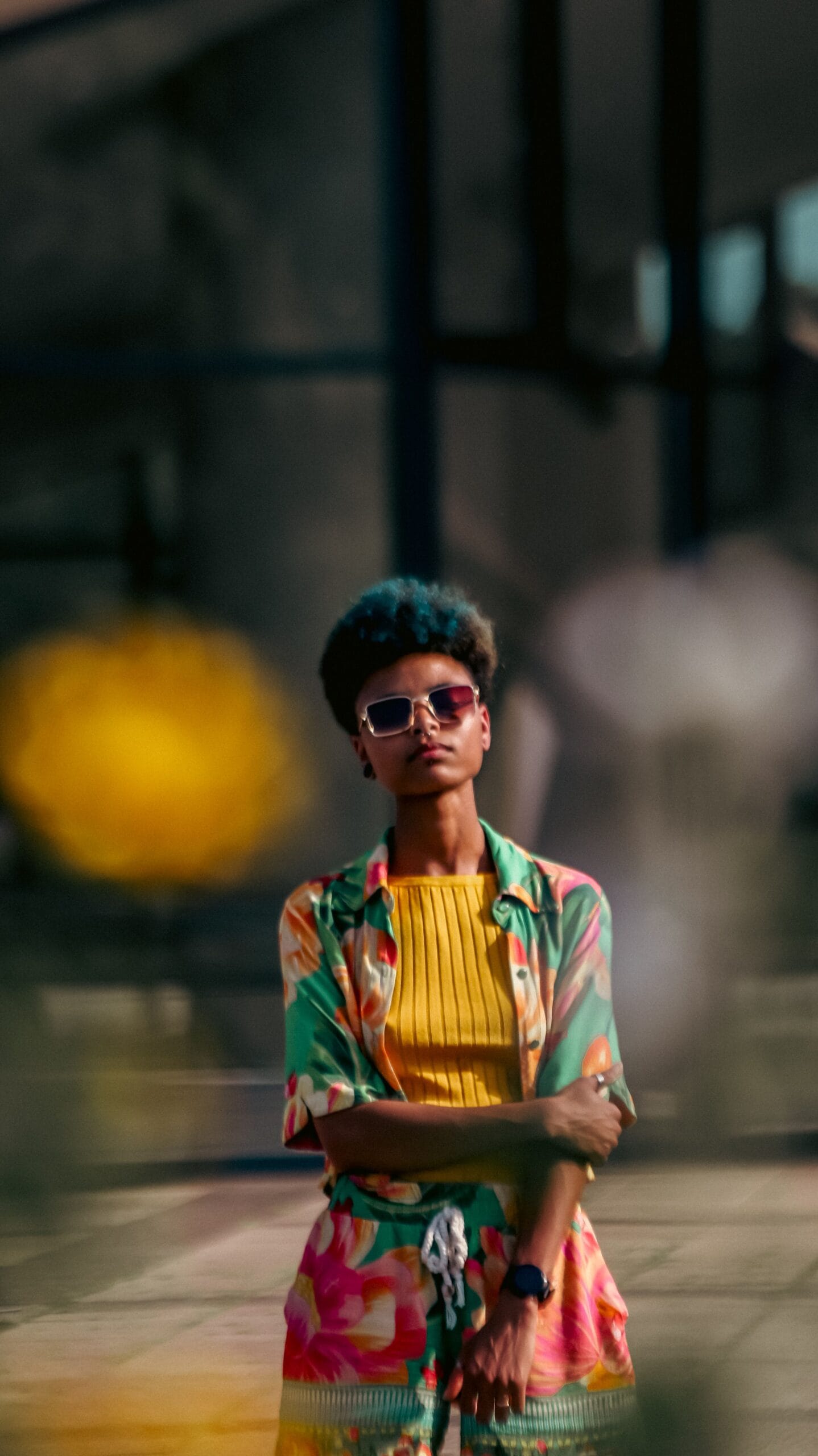
The lime green two-piece. The chunky platform boots with a floral midi skirt. The going-out top on a Tuesday just because it makes you happy. Brat Girl Summer fashion is whatever the hell you want it to be, with zero reference to whether it photographs well or gets compliments. If you’ve recently made a wardrobe choice that made you smile in the mirror without wondering how others would receive it, you’re already there.
4. You’ve Got Your Confidence Back After a Rough Season
Maybe the last year or two knocked the wind out of you — a breakup, a job loss, a friendship that fell apart, or just a prolonged period of feeling invisible. Brat Girl energy often rises right after these kinds of seasons, not before them. It’s what happens when you’ve processed the hard stuff and decided: I’m not going to let that be the defining chapter. Psychologists call this post-traumatic growth — the real, documented phenomenon of becoming more resilient, more authentic, and more alive after adversity, as outlined in research by the American Psychological Association.
5. Your Standards Have Quietly Gone Up
You’re not accepting situationships that go nowhere. You’re not entertaining friendships where you do all the emotional labour. You’ve started recognising when someone’s energy doesn’t match yours and moving accordingly — not dramatically, not bitterly, just cleanly. Brat Girl Summer isn’t about drama. It’s about discernment. You’ve stopped confusing availability with compatibility, and that is a genuinely powerful shift.
6. You’re Laughing More — Especially at Yourself
Part of what makes Brat Girl energy so magnetic is the lightness of it. There’s a looseness to women in this era that comes from genuinely not taking themselves too seriously. You tripped in front of people and found it funny. You sent the chaotic voice note and didn’t spiral about it after. You showed up to a dinner party underdressed and owned it. Levity is a form of confidence — it means you’re not carrying the constant weight of how you’re being perceived.
7. You’re Making Plans for Yourself — Not Just Alongside Someone Else
You booked the trip. Maybe solo, maybe with friends, but crucially — not waiting for a partner or anyone else to make it happen. You signed up for the class. You went to the concert alone and had the best time. There’s real psychological backing for this: a study published in Psychological Science found that people consistently overestimate how awkward solo experiences will be and underestimate how much they’ll enjoy them. Brat Girls already knew this.
8. You’re Unapologetically Yourself — Even When It’s Inconvenient
This is the one that ties it all together. Not just when it’s easy or when people are watching, but in the quiet moments where the old version of you would have second-guessed herself. Ordering what you actually want, speaking up in a meeting even when your voice shakes slightly, wearing the bold lipstick to a casual event because why not. Brat Girl Summer isn’t a mood — it’s a baseline. It’s deciding that who you are is worth showing up as consistently, not just when conditions are perfect.
The Bottom Line
Brat Girl Summer isn’t about being difficult or chaotic for the sake of it. It’s about shedding the exhausting performance of smallness and finally letting yourself be the fullest version of you — messy parts included. If several of these signs resonated, you don’t need to prepare for your era. You’re already in it. Go be that girl.
Related reading: Self-Worth Beyond Relationships, Why Self-Care Isn’t Selfish, Embracing the Gift of Being Newly Single in Your 30s.

Cassandra Simpson is a wellbeing and relationship writer with a BSc in Psychology and five years of experience working in community mental health support. She writes about love, friendship, boundaries, and the emotional work of belonging — drawing on both academic grounding and the hard-won perspective that comes from navigating her own relationship patterns, friendships, and personal growth in real time. Cassandra trained as a peer support facilitator and has spent years exploring attachment theory, interpersonal dynamics, and the psychology of connection. Her writing is shaped by a deep belief that most relationship struggles come not from failure, but from the absence of honest, accessible information about how human connection actually works.