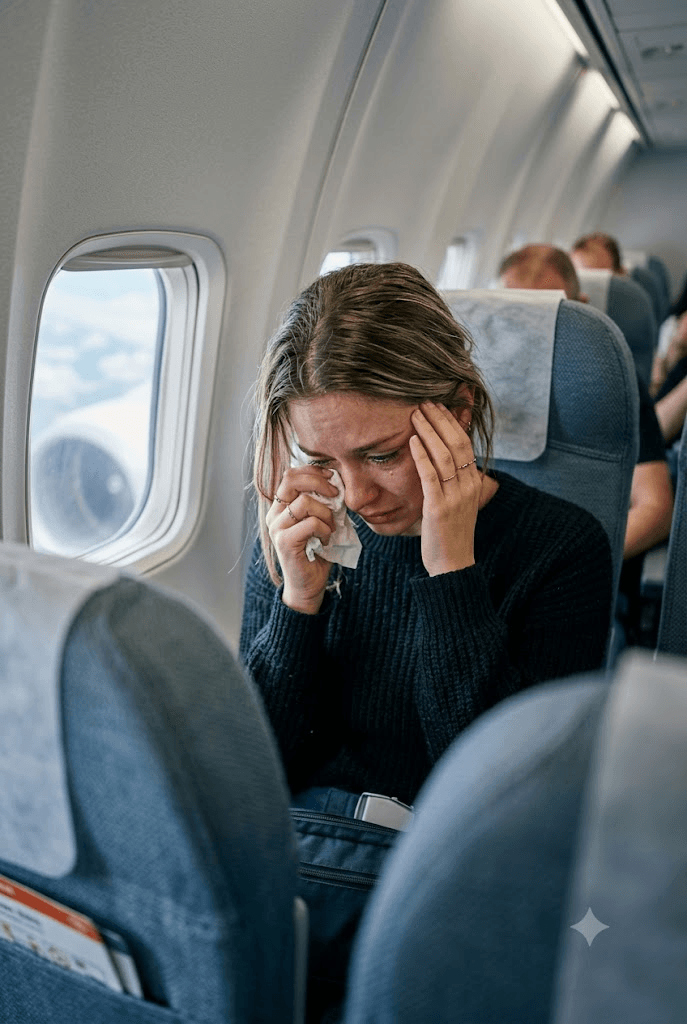
Ten Alarming Effects of Stress on Your Body and How to Eliminate It
I had a period about three years ago where I couldn’t understand why I kept getting ill. Nothing dramatic — just a rotating cast of minor things that never quite went away. A cold that lasted six weeks. Persistent digestive issues. A tension headache that lived behind my right eye for most of the winter. I saw a GP, ran the usual tests, everything came back fine. It was only when I had a period of enforced rest — a delayed flight that grounded me for a weekend, stranding me with no WiFi and no agenda — that the pattern became obvious. The symptoms receded. And when I returned to my normal pace, they came back.
I wasn’t ill. I was chronically stressed. And my body had been trying to tell me for months.
How Stress Affects the Body
The stress response — the release of cortisol and adrenaline that prepares your body to fight or flee — is one of the most sophisticated and useful systems in human biology. In short bursts, in response to genuine threats, it is life-saving. The problem is that the modern threat environment is almost entirely made of chronic, low-level stressors — deadlines, financial anxiety, relationship tension, information overload — that don’t resolve the way a physical threat does. Your body stays primed. And over time, that chronic priming takes a significant toll.
1. Compromised Immune Function
Research by Dr. Sheldon Cohen at Carnegie Mellon University found that people under chronic stress were significantly more likely to develop a cold when exposed to the virus than people with low stress levels. Chronic cortisol elevation suppresses the immune response, leaving you more vulnerable to infection and slower to recover when you do get ill. If you’re regularly catching everything going around, stress may be as relevant as any other factor.
2. Sleep Disruption
Cortisol and melatonin (the hormone that regulates sleep) operate in opposition — when one rises, the other tends to fall. Chronically elevated cortisol disrupts the natural sleep-wake cycle, making it harder to fall asleep, harder to stay asleep, and harder to reach the deep restorative stages of sleep. Poor sleep then amplifies stress reactivity, creating a cycle that’s difficult to break without deliberately addressing both elements.
3. Digestive Problems
The gut and the brain are connected via the vagus nerve — the longest cranial nerve in the body — and stress has significant and well-documented effects on digestive function. In acute stress, digestion slows or stops entirely as resources are redirected to the muscles. In chronic stress, this disruption becomes persistent: bloating, cramping, changes in bowel habit, and increased gut permeability are all associated with sustained cortisol elevation. The gut microbiome is also significantly affected by stress, with downstream implications for immunity, mood, and inflammation.
4. Cardiovascular Effects
Stress hormones increase heart rate and blood pressure, and chronic stress is associated with increased risk of hypertension, atherosclerosis, and cardiac events. Research published in The Lancet in 2017, led by Dr. Ahmed Tawakol at Harvard, found that activity in the amygdala (the brain’s stress centre) was directly associated with subsequent cardiovascular disease risk, independent of other risk factors. Chronic psychological stress is now recognised as a genuine cardiovascular risk factor, not merely a lifestyle footnote.
5. Muscle Tension and Pain
The stress response primes muscles for action by increasing their tone. When that priming is sustained, muscles stay chronically contracted — particularly in the neck, shoulders, and jaw. This produces tension headaches, jaw pain (including the grinding of teeth, known as bruxism), neck stiffness, and back pain. Many people carry their stress physically in ways they don’t consciously connect to their stress levels — a sore neck that’s always there, a jaw that aches in the morning — until something forces them to make the connection.
6. Hormonal Disruption
Chronic stress significantly disrupts hormonal balance, affecting everything from the menstrual cycle (stress is a well-documented cause of irregular or absent periods) to thyroid function to sexual hormone levels. The adrenal glands, which produce both stress hormones and sex hormones, can become depleted under sustained demand — a condition sometimes called “adrenal fatigue” though more accurately described as HPA axis dysregulation. Unexplained hormonal symptoms — irregular cycles, low libido, persistent fatigue — are worth discussing with a doctor in the context of your overall stress levels.
7. Cognitive Effects
Chronic stress impairs working memory, concentration, and decision-making — the very capacities you most need when your life is demanding. Research by Dr. Amy Arnsten at Yale School of Medicine found that stress hormones weaken the prefrontal cortex (responsible for rational thinking and impulse control) while strengthening the amygdala (responsible for emotional reactivity). This explains why, when you’re most stressed, you also tend to make the worst decisions and lose your temper most easily.
8. Skin and Hair Effects
Stress hormones can trigger or worsen inflammatory skin conditions including eczema, psoriasis, and acne — conditions with a strong stress-inflammation link. Hair loss (telogen effluvium) — the diffuse shedding that can occur several months after a period of acute stress — is well documented. If you’ve noticed significant hair thinning during or after a stressful period, the timing is not coincidental.
9. Weight and Metabolism
Chronic cortisol elevation promotes fat storage, particularly around the abdomen. It also increases appetite — specifically for high-calorie, high-sugar foods — as the body attempts to replenish energy reserves it has mobilised for threat response. Stress-driven eating is a well-documented phenomenon, and addressing the underlying stress is typically more effective than addressing the eating behaviour in isolation.
10. Mental Health
Sustained stress is one of the strongest modifiable risk factors for both anxiety and depression. The relationship is bidirectional — anxiety and depression increase stress reactivity, which perpetuates the stress — making early intervention important. Chronic stress also affects neuroplasticity, with research by Dr. Bruce McEwen at Rockefeller University showing structural changes in the hippocampus (memory and emotion regulation) and amygdala under sustained cortisol exposure. These changes are largely reversible with adequate recovery, but they underline why chronic stress is a genuine health issue rather than just a lifestyle inconvenience.
How to Address Chronic Stress
The evidence-based approaches with the strongest effect sizes for chronic stress are regular physical exercise (particularly aerobic exercise), consistent, adequate sleep, mindfulness-based stress reduction (MBSR — extensively researched since Jon Kabat-Zinn’s foundational work at the University of Massachusetts), and social connection. Reducing your exposure to chronic stressors where possible — addressing the source, not just the symptoms — is also essential. Sometimes this means having difficult conversations, changing circumstances, or seeking professional support. These signs from sleep therapists that you’re more stressed than you think can help you gauge where you are — and understanding what happens when you genuinely slow down might be the most compelling argument for making rest a priority you’ve encountered. For broader resilience, building resilience against anxiety and depression addresses the mental health dimension directly.
Frequently Asked Questions
How do I know if my physical symptoms are stress-related?
First, rule out other causes with your GP — stress-related symptoms can overlap with other conditions, and a thorough assessment matters. If physical causes are excluded, pay attention to the timing of your symptoms: do they worsen during high-stress periods and improve during rest? Do they respond to relaxation practices? Is there a pattern related to specific situations or relationships? These observations are valuable clinical information that can guide your approach to treatment.
What’s the quickest evidence-based way to reduce acute stress?
Physiological sighing — a double inhale through the nose followed by a long exhale through the mouth — has been shown by Dr. Andrew Huberman’s lab at Stanford to be one of the fastest and most effective ways to activate the parasympathetic (rest and digest) nervous system and reduce acute stress. Contrary to the usual instruction to “take a deep breath,” it’s the elongated exhale that activates the calming response. Five to ten cycles can measurably reduce heart rate and cortisol within minutes.
How long does it take to recover from chronic stress?
This varies depending on how long and severe the stress has been and what recovery practices are in place. For most people, a consistent combination of adequate sleep, regular exercise, and stress reduction practices produces noticeable improvements in energy, mood, and physical symptoms within four to eight weeks. Deeper recovery — including restoration of hormonal balance and cognitive capacity — can take several months of sustained change. If physical or mental health symptoms are significant, working with a GP, therapist, or specialist will typically accelerate recovery significantly.
Further Reading & Sources

Rubie Le’Faine is the founder of Rubie Rubie and a writer specialising in emotional well-being, self-identity, and the psychology of modern relationships. She holds a Level 3 Certificate in Counselling Skills and has spent over eight years studying attachment theory, cognitive behavioural principles, and human development — first through formal study, then through lived experience that no course can replicate. After navigating a significant relationship breakdown, an identity rebuild, and the complex terrain of rediscovering herself in her 30s, Rubie began writing to make sense of what she had learned and to offer honest, human guidance to others going through the same. She founded Rubie Rubie in 2022 as a space for women seeking real answers, not platitudes. Based in Surrey, UK, her writing is grounded in research, shaped by experience, and centred entirely on the reader’s genuine wellbeing.