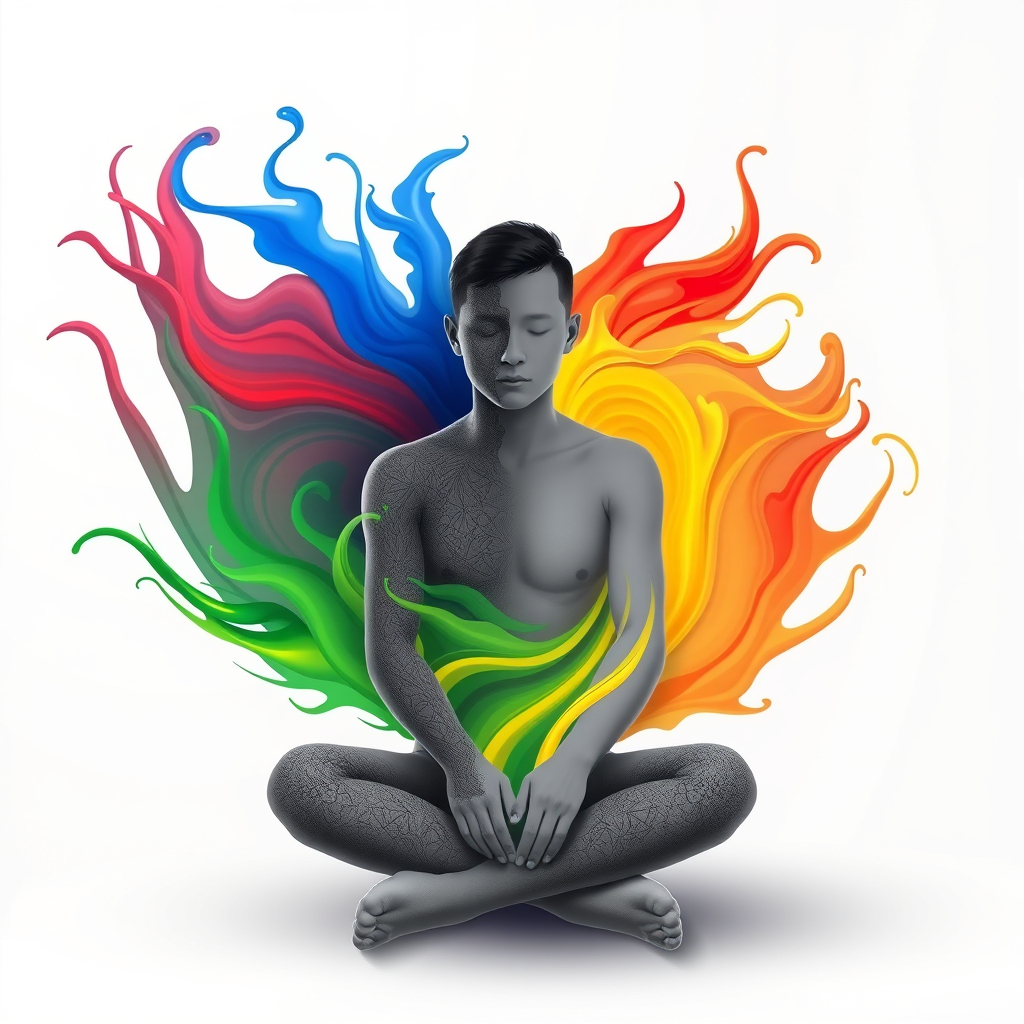
We’ve all been there—swallowing words we desperately needed to say, smiling when we want to cry, and locking feelings deep inside because it feels safer or less complicated than letting them out. But over time, bottling emotions takes a serious toll on both mental and physical health. Research from the American Psychological Association has linked habitual emotional suppression to increased stress, anxiety, cardiovascular problems, and a weakened immune response. The good news is that emotional expression is a skill—one you can genuinely develop with the right tools and a willingness to practice. Here’s what psychology and lived experience teach us about how to release feelings in ways that heal rather than harm.
Why Do We Bottle Up Emotions in the First Place?
Before we can learn to express emotions more freely, it helps to understand why we suppress them. For many people, the roots lie in early experiences: being told to stop crying, having emotional expression dismissed or punished, growing up in a household where feelings were simply not discussed. These early patterns wire us to associate emotional expression with vulnerability, weakness, or conflict—so we learn to keep things in. Understanding this is the first step toward changing it.
Practical Ways to Learn How to Express Your Emotions
1. Name What You’re Feeling With Specificity
One of the most powerful tools in emotional literacy is learning to name your feelings accurately. “I feel bad” is vague; “I feel overlooked and unappreciated” is specific, communicable, and actionable. Psychologists call this process “affect labelling,” and research shows it can literally reduce the intensity of emotional distress by engaging the prefrontal cortex—the rational brain—to help regulate the emotional brain. A simple feelings vocabulary list can be transformative if you’re someone who tends to say “fine” when asked how you are.
2. Use Journalling as an Emotional Release Valve
Journalling is one of the most accessible and evidence-backed ways to process emotions. Writing about your experiences activates the same affect-labelling mechanism as naming feelings aloud, but in a private, low-stakes environment. You don’t need to be a talented writer—stream-of-consciousness journalling, where you write without editing, is often the most cathartic. Research by psychologist James Pennebaker has found that expressive writing for just 15–20 minutes over several days can meaningfully reduce anxiety and improve emotional wellbeing.
3. Practice Speaking Feelings Aloud in Safe Relationships
The ultimate goal is to be able to express emotions authentically in relationships—but that takes practice. Start with the safest relationships you have: a trusted friend, a sibling, a therapist. Begin small: share one feeling you’d normally keep to yourself. Notice that the world doesn’t end. Notice that connection often deepens. Over time, this practice rewires your nervous system’s association between emotional vulnerability and danger, replacing it with the experience of authentic connection. Our article on the power of vulnerability in relationships explores this beautifully.
4. Move Your Body to Release Stored Tension
Emotions aren’t just mental events—they live in the body. When feelings are suppressed, they often manifest as physical tension: tight shoulders, a clenched jaw, shallow breathing, or chronic fatigue. Physical movement—whether it’s running, dancing, yoga, or even a long walk—can unlock and release this stored tension in ways that purely cognitive approaches cannot. This is why exercise is so consistently linked to improved emotional wellbeing.
5. Try Somatic or Body-Based Therapy
For people with significant emotional suppression—particularly those whose bottling is rooted in trauma—somatic therapies can be profoundly effective. Approaches like EMDR (Eye Movement Desensitisation and Reprocessing), somatic experiencing, and trauma-focused CBT work directly with the body’s stored responses to help process and release emotions that the mind alone can’t reach. If your suppression feels deep-seated or tied to difficult past experiences, seeking this kind of professional support is a courageous and worthwhile step.
6. Challenge the Stories That Keep Feelings Locked In
Many of us have internal narratives that make emotional expression feel dangerous: “If I cry, I’ll never stop.” “Nobody wants to hear about my problems.” “Showing emotion means I’m weak.” These beliefs are powerful precisely because they’re rarely examined. When you notice one of these thoughts arising, try questioning it: Is this actually true? What evidence do I have? What might happen if I let myself feel this? Often the fear of emotional expression is far greater than the experience of it.
7. Build Emotional Regulation Skills Alongside Expression
Learning to express emotions doesn’t mean becoming overwhelmed by them. Emotional regulation—the ability to feel deeply without being swept away—is the complement to expression. Skills like box breathing, grounding techniques, mindfulness meditation, and self-compassion practices help you stay present with difficult feelings without becoming dysregulated. This is the sweet spot: feeling and expressing authentically, while remaining grounded enough to function. For support on building inner resilience, our piece on rebuilding after difficult periods offers practical frameworks.
When to Seek Professional Help
If emotional suppression is significantly affecting your relationships, your mental health, or your physical wellbeing—and self-directed approaches feel insufficient—working with a psychologist or therapist is a genuinely transformative investment. You don’t have to have a diagnosable condition to benefit from therapy; you just need a desire to understand yourself better and relate to others more authentically. Finding a professional you trust can change everything.
Frequently Asked Questions
Why do I struggle to express my emotions even when I want to?
This usually comes down to early conditioning and the safety associations your brain has formed around emotional expression. If expressing emotions was met with dismissal, punishment, or discomfort in your formative years, your nervous system learned that suppression is safer. This is a pattern that can be changed, but it takes consistent, gentle practice and often professional support.
Is it healthy to cry and release emotions regularly?
Yes. Crying is a natural and healthy emotional release mechanism. Research has shown that emotional tears contain stress hormones and toxins, suggesting they play a role in the body’s stress regulation. Allowing yourself to cry—rather than suppressing it—is associated with improved mood, reduced tension, and a greater sense of emotional clarity afterwards.
What’s the difference between emotional expression and emotional dumping?
Emotional expression involves sharing your feelings authentically in a way that connects and communicates. Emotional dumping involves offloading unprocessed feelings onto others in a way that overwhelms them without taking their needs into account. The difference often lies in context, timing, and awareness of the relationship dynamic. Both expression and healthy emotional processing are skills—and both can be learned.
Further Reading & Sources

Arlyn Parker is a wellness and mindfulness writer with a background in holistic health coaching. She completed her practitioner training in mindfulness-based stress reduction (MBSR) and holds a certification in positive psychology from an accredited UK provider. Over six years of working with clients navigating anxiety, burnout, and major life transitions gave Arlyn a front-row seat to what actually helps people create sustainable calm — and what doesn’t. Her own experience with burnout in her late 20s, and the slow, deliberate process of rebuilding her health and habits, is the foundation of everything she writes. Arlyn’s work is not about aspirational wellness — it’s about practical, evidence-informed strategies for people living real, complicated lives.