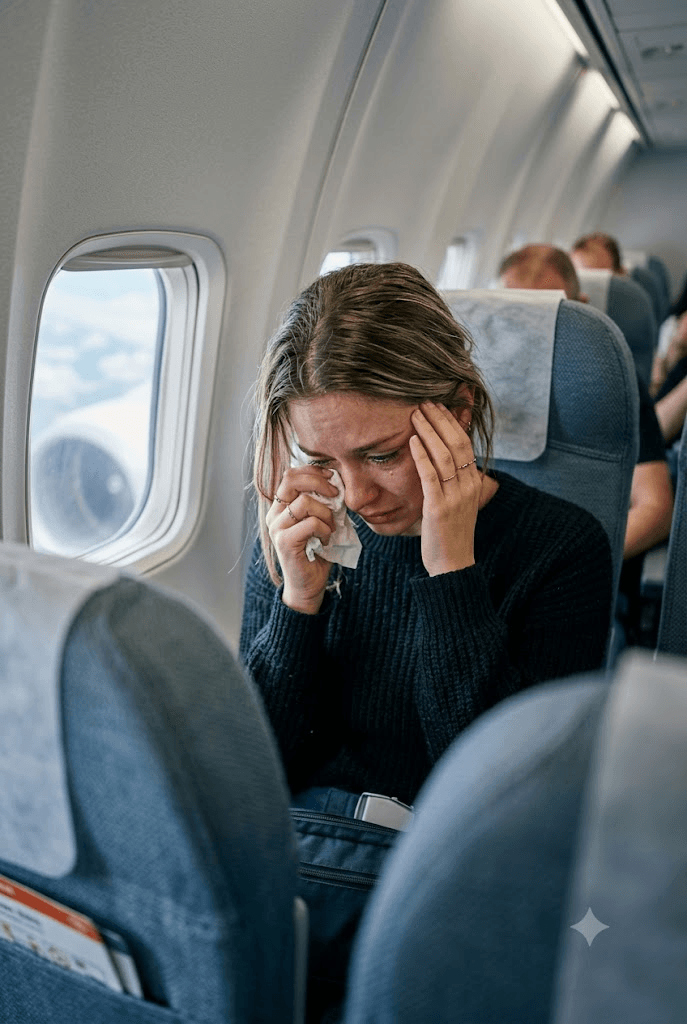
Girls’ trips have long been the ultimate escape for bonding, adventure, and a much-needed break from the routine. Whether it’s a weekend getaway to a nearby city or an extended interstate vacation, these trips offer a real chance to recharge, explore new places, and create lasting memories with your closest friends. But what happens when you’re in the middle of all this fun, yet your heart feels tethered to someone waiting at home?
If you’re in a relationship, missing your boyfriend on a girls trip is one of the most common — and least talked about — emotional experiences women navigate. The separation anxiety from missing your boyfriend when you’re interstate can be surprisingly intense, even when you’re surrounded by people you love. The question then becomes: is the girls’ trip really worth it?
The short answer is yes — and here’s exactly why, plus how to manage the emotional complexity that comes with it.
Why Missing Your Boyfriend on a Girls Trip Feels So Intense
Missing someone when you’re apart is a natural, healthy part of being in a close relationship. But the intensity of that feeling can catch you off guard, especially when you’re supposed to be having the time of your life. Understanding why the separation anxiety hits harder on a trip can actually help you manage it more effectively.
When you’re in a familiar environment — your city, your routines, your regular schedule — the absence of your partner is absorbed into the background of ordinary life. You’re busy. But when you’re in a new, stimulating environment, experiencing things you genuinely want to share, the gap created by his absence becomes much more visible. Every beautiful view, every funny moment, every great meal becomes a micro-reminder that he’s not there.
This isn’t a sign that something is wrong with you or your relationship — it’s actually a sign of secure emotional attachment. You’ve integrated this person into how you experience joy, and being temporarily separated from that integration creates a specific kind of longing. Separation anxiety from missing your boyfriend when you’re interstate is a signal of connection, not dependency.
The Emotional Rollercoaster: What to Expect
Most women describe the emotional experience of a girls trip as genuinely split: genuinely joyful in the foreground, quietly wistful in the background. Both feelings are real and neither cancels the other out. You can be laughing until you cry with your best friend at dinner and also feel a small pang when you see a couple walking hand in hand along the waterfront. That’s not a contradiction — that’s emotional depth.
The anxiety of separation can come from several places: the fear of missing out on shared moments, uncertainty about how he’s feeling, the disruption of your usual routines of connection (good morning texts, evening calls, physical closeness), and sometimes a low-grade worry that distance creates emotional drift. These feelings can be more pronounced early in a relationship or during times when the relationship has been going through transitions.
If you find that separation anxiety is significantly affecting your enjoyment of the trip — if you can’t be present, if you’re checking your phone constantly, if you feel genuine distress rather than mild longing — it’s worth reflecting on whether this is about the specific trip or a broader pattern. Understanding how to balance independence and togetherness in a relationship can make a significant difference in how you experience time apart.
Why Separation Anxiety Is Actually Normal in Healthy Relationships
Separation anxiety — a mild version, experienced as longing rather than panic — is not only normal but is actually a healthy indicator in relationships. Attachment theory, developed by psychologist John Bowlby and later expanded by researchers like Cindy Hazan and Phillip Shaver, describes how humans form emotional bonds that function similarly to the bonds children form with caregivers. When a securely attached partner is separated from their person, they experience longing and anticipate reunion — and that anticipation keeps the bond alive and energised.
What this means practically is that missing your boyfriend while you’re interstate doesn’t reflect emotional immaturity or unhealthy dependence. It reflects the fact that you’ve formed a genuine attachment. The goal isn’t to stop missing him — it’s to hold that feeling lightly enough that it doesn’t overwhelm the experience you’re in.
The Real Benefits of a Girls Trip for Your Relationship
Here’s what most relationship advice doesn’t tell you clearly enough: time apart isn’t just okay for a healthy relationship — it’s actively good for it. A girls trip is an investment in both yourself and your partnership. Here’s specifically why:
1. You Rediscover Yourself Outside the Relationship
When you’re in a relationship, especially a close and loving one, your identity naturally gets woven together with your partner’s. That’s beautiful. But it also means that time completely on your own — or with your friends rather than your partner — gives you access to parts of yourself that might otherwise go quiet. You make your own decisions, at your own pace. You navigate a new city. You laugh at things in the particular way that you laugh when you’re not performing any version of yourself for a partner. That “just me” self is worth nurturing.
2. Your Friendships Are a Relationship Asset, Not a Relationship Competitor
One of the healthiest things you can do for your romantic relationship is to maintain rich, nourishing friendships outside of it. Partners who rely on each other for all emotional support, social connection, and entertainment put enormous pressure on the relationship — pressure it was never designed to carry alone. Your girlfriends provide different kinds of support, humour, perspective, and intimacy. Investing in those friendships by actually showing up — going on the trip, being fully present — makes you a more complete, resilient, and emotionally generous person to come home to.
3. Absence Really Does Make the Heart Grow Fonder
This is a cliché because it’s true, and there’s actual neuroscience behind it. When we’re separated from someone we love, dopamine levels associated with reward anticipation increase. The reunion triggers a real neurochemical response that resembles early-stage attraction. Couples who spend occasional time apart — whether through girls trips, work travel, or separate social lives — consistently report feeling more attracted to and interested in their partners after reuniting. Missing your boyfriend on your girls trip is literally doing biological work on your relationship.
4. You Build Trust Through Demonstrated Independence
Every time you and your boyfriend navigate time apart successfully — you have your trip, he has his time, you come back together — you build a track record of trust. You demonstrate to each other that the relationship is secure enough to withstand separation, that neither of you disappears, that you can be trusted with each other’s absence. This kind of trust, built through small repeated experiences rather than grand declarations, is one of the most durable foundations a relationship can have.
Practical Ways to Manage Separation Anxiety on Your Girls Trip
Managing missing your boyfriend while you’re interstate isn’t about suppressing the feeling — it’s about structuring your connection so the anxiety doesn’t fill the whole emotional space of the trip.
Set a Communication Rhythm Before You Leave
One of the biggest sources of anxiety on a trip is the uncertainty around communication — how often will we talk? When will I hear from him? Does a slow response mean something is wrong? Eliminating that uncertainty before you leave is one of the simplest, most effective things you can do. Have a genuine conversation about what feels good to both of you: maybe a voice note in the morning, a quick check-in text mid-afternoon, and a longer call in the evening. Or maybe three days of light texting with a proper call on the final night. There’s no universal right answer — the right answer is the one you’ve both agreed on.
Share Moments Without Making It a Report
Sending your boyfriend a photo of the view, a funny video, or a voice message describing something that made you think of him is lovely. It keeps him included without requiring him to be present. The important distinction is between sharing because you want to — because something genuinely delighted you and you want him in the loop — and reporting because you feel guilty or anxious. The first creates intimacy. The second creates pressure on both sides.
Give Yourself Full Permission to Be Present
The greatest gift you can give your girls trip — and honestly, your relationship — is to actually be there. Not half there while mentally composing a text, not physically present but emotionally elsewhere. Your friends deserve your full attention. The experiences deserve your full attention. And when you come home having been fully present for an adventure, you bring back stories, energy, and aliveness that feed the relationship in ways that constant check-ins simply can’t.
Plan Something to Look Forward to Together
Having a reunion plan eliminates the vague dread of “and then what?” that can colour the end of a trip. It doesn’t need to be elaborate — a home-cooked dinner together, a film you’ve been wanting to see, a long morning in bed with coffee. Knowing there’s a landing spot waiting gives the separation a natural arc: you leave, you have your adventure, you come home to something warm.
When Missing Him Becomes Something More
There’s a difference between missing your boyfriend because you love him and missing your boyfriend because you don’t feel secure without him. The first is a healthy expression of attachment. The second is worth paying attention to. If time apart feels unbearable rather than just bittersweet — if you feel genuine panic, if you need to contact him every hour to feel okay, if you interpret normal response delays as threats to the relationship — that’s worth exploring, ideally with a therapist or through some honest self-reflection about how vulnerability and emotional openness affect your relationships.
Healthy relationships can hold space for both people to have full, independent lives. If yours can’t currently do that, it’s not necessarily a sign the relationship is wrong — it may be a sign that there’s growth available, either individually or together.
Frequently Asked Questions About Missing Your Boyfriend on a Girls Trip
Is it normal to feel guilty for enjoying your girls trip?
Yes, and it’s worth examining where that guilt comes from. If you genuinely enjoy yourself — if you have moments of pure, uncomplicated fun — that’s not a betrayal of your relationship. Guilt around enjoyment in the absence of a partner often reflects a belief that your happiness should always be shared or that fully thriving independently somehow undermines the relationship. It doesn’t. Your joy is not a limited resource that gets taken away from him when you laugh with your friends.
How do I stop overthinking during my girls trip?
Overthinking on a trip usually fills the space left by insufficient activity or too much unstructured time. Fill your days well — plans, movement, engagement — and you won’t have much cognitive bandwidth left for spiral thinking. When you notice overthinking starting, try grounding yourself in the physical: what can you see, hear, smell right now? Presence is the antidote to overthinking, and presence is also the entire point of the trip.
What if my boyfriend doesn’t handle the separation well?
A boyfriend who is genuinely supportive of your independence — including your girls trips — is demonstrating something important about his emotional security and his respect for your autonomy. If he consistently struggles with you having time apart, whether through jealousy, excessive contact, guilt-tripping, or withdrawal, it’s worth having an open, honest conversation about what he needs and what you need. This is a conversation about values and independence in the relationship, not just about one trip.
The Verdict: Is the Girls Trip Worth the Separation Anxiety?
Absolutely — and not just “worth it” in a “grit your teeth and get through the homesickness” kind of way. Worth it in the sense that a girls trip, done fully and with presence, is genuinely good for you as an individual and for your relationship. It maintains your sense of self outside the partnership. It deepens friendships that sustain you. It creates the conditions for genuine reunion. And the missing — the real, specific, tender missing of your boyfriend while you’re interstate — is evidence that you have something real to come home to.
Go on the trip. Be fully there. Miss him a little. Come home and tell him everything.
Love, Cass
Sources & further reading: Psychology Today: Attachment and Independence | APA: Healthy Relationship Independence | Mental Health Foundation: Friendship and Balance.

Cassandra Simpson is a wellbeing and relationship writer with a BSc in Psychology and five years of experience working in community mental health support. She writes about love, friendship, boundaries, and the emotional work of belonging — drawing on both academic grounding and the hard-won perspective that comes from navigating her own relationship patterns, friendships, and personal growth in real time. Cassandra trained as a peer support facilitator and has spent years exploring attachment theory, interpersonal dynamics, and the psychology of connection. Her writing is shaped by a deep belief that most relationship struggles come not from failure, but from the absence of honest, accessible information about how human connection actually works.