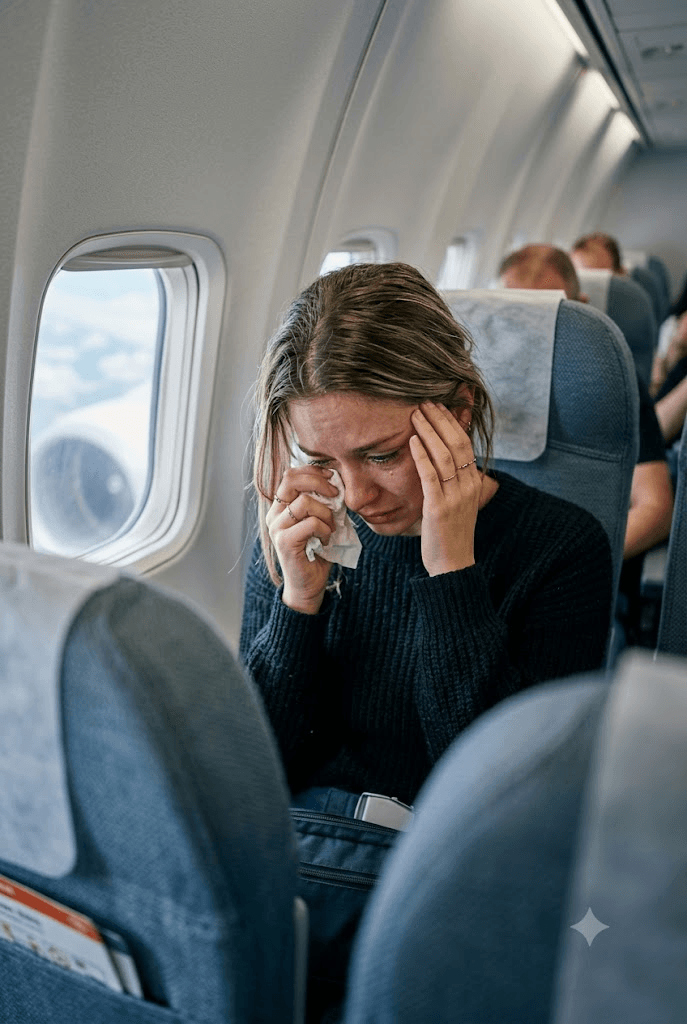
Being in my 30’s, my circle of friends is a tapestry of life’s possibilities—marriages, divorces, love stories, globe-trotting adventures, children, and personal rediscoveries. These experiences shape who we are and the way we connect with the world. But one recurring theme I’ve noticed is how the absence of a parent can cast a long shadow over someone’s life. Whether through physical absence, emotional neglect, or favoritism, the wounds left behind often contribute to long-term depression, affecting self-esteem, relationships, and mental health.
1. Lack of Emotional Security
Children need a stable foundation of love and support to thrive. When a parent is absent, that foundation can crumble, leaving behind feelings of abandonment and insecurity. This emotional instability often follows individuals into adulthood, fueling anxiety and depressive thoughts.
2. Difficulty Forming Healthy Relationships
Parental absence disrupts the ability to trust and connect with others. For many, the fear of rejection or being left behind becomes a barrier to forming deep, meaningful relationships. This isolation can compound feelings of loneliness and depression.
3. Low Self-Esteem
When a parent is absent, children often internalize the belief that they are unworthy of love. Comments or actions, such as a father wishing for sons instead of daughters or a parent showing favoritism, reinforce these feelings. These early wounds shape a negative self-image, fostering long-term struggles with self-worth and depression.
4. Increased Risk of Anxiety and Stress
Growing up without a parent often means taking on extra responsibilities or emotional burdens too soon. This “forced maturity” creates stress that lingers into adulthood, leaving individuals ill-equipped to handle life’s challenges. The constant pressure can lead to chronic anxiety and depression.
5. Unresolved Grief and Anger
Loss—whether through death, separation, or neglect—breeds grief and anger. Favoritism or uneven parenting, like a parent being stricter with the oldest child while being lenient with the youngest, can deepen these wounds. When unresolved, these emotions fester, leading to lingering resentment and sadness that evolve into depression.
6. Generational Trauma
Trauma doesn’t exist in isolation; it often passes from one generation to the next. Children who grow up with absent parents might struggle to parent differently, perpetuating cycles of pain. Without intervention, this generational trauma becomes a lasting legacy of depression and emotional strife.
7. Lack of Role Models
Parents are our first teachers, shaping how we approach challenges and relationships. An absent parent leaves a void in this guidance, forcing children to navigate life without a clear roadmap. This lack of mentorship often results in poor decision-making and a sense of being lost, exacerbating feelings of depression.
Through the journeys of those around me and my own reflections, I’ve witnessed how deeply parental absence can influence a person’s life. Yet, I’ve also seen the resilience of the human spirit. With the right support—therapy, community, and self-discovery—it’s possible to heal and rewrite the narrative. Recognizing the impact of an absent parent is the first step toward breaking the cycle and creating a future filled with hope, strength, and connection.
Love Rubie xoxo
Healing the Impact
The impacts of parental absence are real and well-documented — but they are not destiny. The brain’s neuroplasticity means that secure attachment can be developed in adulthood through the right relationships, including therapeutic ones. Adults who grew up with absent parents can, and do, develop secure relational functioning, break inter-generational patterns, and build lives rich in genuine connection. It takes more intentional work than it might for someone with a secure attachment foundation — but it is achievable, and the work is worth doing.
If you recognise any of the patterns described in this piece and they’re affecting your life and relationships, therapy — particularly attachment-focused modalities — can be transformative. You are not defined by what you didn’t receive in childhood. You are capable of giving yourself what was missing, and of building the connections and security you deserve. For further reading on inner healing and emotional resilience, From Fear to Freedom: How Women Can Build Emotional Resilience is a meaningful companion piece.
Written by Rubie Le’Faine, Founder & Lifestyle Writer at Rubie Rubie.
You Might Also Like
- From Fear to Freedom: How Women Can Build Emotional Resilience
- 8 Psychological Signs That Suggest You Had an Unhappy Childhood
Sources & further reading: APA: Parental Presence and Child Development | Psychology Today: Attachment Theory | NCBI: Absent Parents and Long-Term Mental Health Research.

Rubie Le’Faine is the founder of Rubie Rubie and a writer specialising in emotional well-being, self-identity, and the psychology of modern relationships. She holds a Level 3 Certificate in Counselling Skills and has spent over eight years studying attachment theory, cognitive behavioural principles, and human development — first through formal study, then through lived experience that no course can replicate. After navigating a significant relationship breakdown, an identity rebuild, and the complex terrain of rediscovering herself in her 30s, Rubie began writing to make sense of what she had learned and to offer honest, human guidance to others going through the same. She founded Rubie Rubie in 2022 as a space for women seeking real answers, not platitudes. Based in Surrey, UK, her writing is grounded in research, shaped by experience, and centred entirely on the reader’s genuine wellbeing.