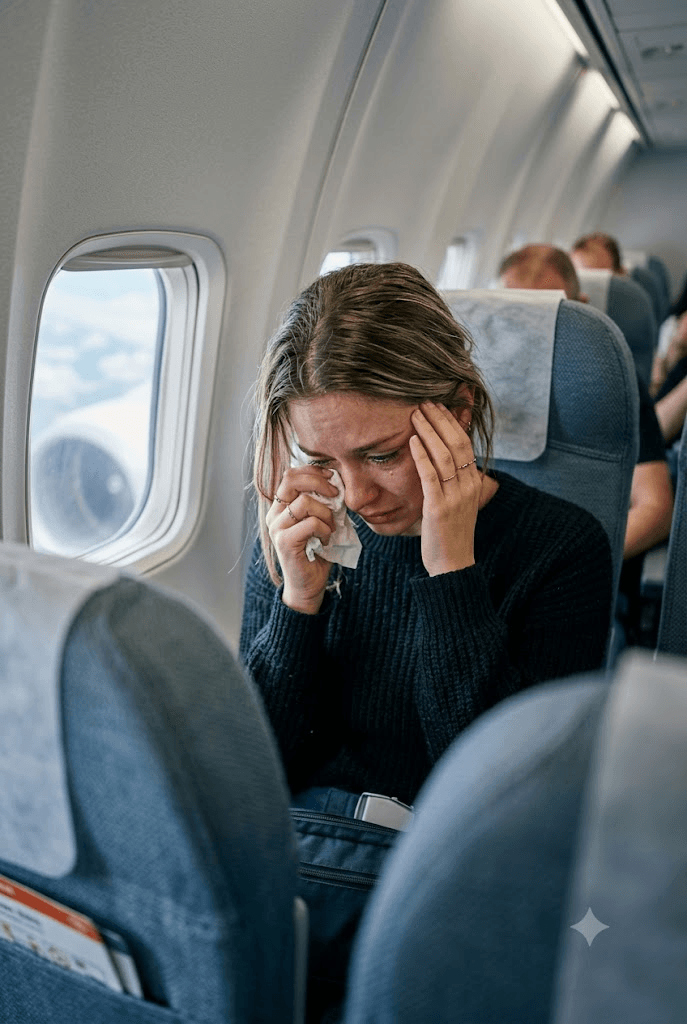
Nobody warns you about this kind of loneliness. The loneliness of being surrounded by people who care about you and still feeling utterly, inexplicably alone. The loneliness of a quiet flat on a Sunday afternoon. The loneliness of good news with no one to tell first. This is when you feel the loneliest.
Being newly single after a long relationship can make you feel the loneliest you have ever been — a loneliness that feels disproportionate — more intense, more strange, more disorienting than you expected. And yet psychology offers a clear and compassionate explanation for why this happens. You’re not broken. You’re not being dramatic. You’re grieving something very specific.
1. You’ve Lost Your Default Witness
In a long-term relationship, your partner becomes something researchers call a “constant companion” — the person who witnesses your ordinary life. This explains why you feel the loneliest in quiet, ordinary moments. The commute home when something funny happened. The small victories. The frustrations. The random thoughts that occur at 9pm on a Wednesday.
When that relationship ends, you lose your witness. Research by Dr. Arthur Aron at Stony Brook University on “self-expansion theory” shows that long-term partners literally become incorporated into our sense of self — which means losing them doesn’t just feel like losing a person, it feels like losing part of ourselves.
This is why loneliness after a breakup often doesn’t feel like ordinary loneliness. It feels like incompleteness. The good news is that rebuilding a complete sense of self is possible — discovering your self-worth independently is one of the most powerful things singlehood can offer.
2. Couple-Friends Feel Different Now
Many long-term couples accumulate shared friendships — other couples they socialise with as a pair. After a breakup, the social landscape shifts. Some couple-friends become awkward. Some invitations stop arriving. You may feel like a surplus presence in spaces designed for twos.
This restructuring of social life is genuinely painful, and it’s compounded by the fact that it happens precisely when you most need connection. Research from University of Chicago’s John Cacioppo — one of the world’s leading loneliness researchers — found that social network disruption is one of the most powerful drivers of acute loneliness in adults.
3. When You Feel the Loneliest: Missing the Routine
Relationships create structure. Friday nights mean something. Sunday mornings have a particular shape. The week has rhythm because someone else’s schedule intersects with yours. When the relationship ends, the rhythm disappears — and the absence of that structure is disorienting in ways that feel like loneliness but are partly about the loss of familiarity itself.
Creating your own structure — deliberately building new rituals and rhythms — is one of the most practical forms of loneliness management available. Rebuilding your life after a significant loss always begins with these small, structural acts.
4. Social Comparison: Why You Feel the Loneliest Online
When you’re single, you become disproportionately aware of couplehood everywhere around you. Instagram feeds that seemed ordinary now feel full of couple photographs. Public spaces that you barely noticed feel populated with pairs. This heightened social comparison is a well-documented psychological phenomenon — we notice what we don’t have far more acutely than what we do.
Managing your media consumption mindfully is a practical tool here. Slowing down and reducing stimulation can significantly reduce the triggering of comparison responses.
5. Physical Touch Has Disappeared
Touch is a fundamental human need — not a luxury. Dr. Tiffany Field at the University of Miami’s Touch Research Institute has documented the profound physiological effects of touch deprivation: elevated cortisol (stress hormone), disrupted sleep, impaired immune function, and increased anxiety.
After a relationship ends, many people find themselves in a state of touch deprivation that they may not even consciously identify. The absence of a hand on the shoulder, a hug that lasts, a body beside them in sleep — these losses accumulate and compound loneliness in ways that are profoundly physical, not just emotional.
6. The Future You Imagined: Why You Feel the Loneliest About What Could Have Been
Relationships come with an imagined future. A shared holiday next summer. A hypothetical house. A particular kind of life. When the relationship ends, that imagined future disappears too — and grieving a future you never actually had is disorienting and under-recognised.
The loneliness of singlehood is partly the loneliness of an unmapped future. The antidote is not rushing to replace the old map with a new one, but becoming curious about the unknown terrain you now have to explore alone — and discovering, gradually, that there’s both space and possibility in that openness.
The right friendships can bridge this gap. Having the right people in your life during singlehood — people who celebrate your freedom as well as hold space for your grief — makes all the difference. And investing in your existing friendships during this period is one of the most valuable things you can do.
Frequently Asked Questions
How long does post-breakup loneliness typically last?
It varies considerably depending on the length and intensity of the relationship, the circumstances of the ending, and individual factors including personality and support network. Research suggests that the most acute phase typically lasts three to six months for long-term relationships, with a gradual easing over the following six to twelve months. However, some people find loneliness returning in waves — particularly around milestones and anniversaries — for considerably longer.
Is it possible to be single and genuinely happy — not just coping?
Absolutely. Research from Bella DePaulo at UC Santa Barbara has documented what she calls “single at heart” individuals — people who genuinely flourish in singlehood, not merely endure it. And even for those who eventually want partnership, the period of singlehood can become genuinely meaningful, creative, and fulfilling with the right attitude and investments.
When should I seek professional support for loneliness?
If loneliness is accompanied by persistent low mood, loss of interest in things you usually enjoy, disrupted sleep or appetite, or thoughts of self-harm, speak with your GP or a mental health professional. Loneliness that doesn’t ease after six months of intentional social connection, or that feels all-encompassing regardless of circumstances, may benefit from professional support.
Practical Ways to Address Why You Feel the Loneliest
Understanding the sources of post-breakup loneliness is important. But understanding alone doesn’t change the felt experience — action does. Here are evidence-based approaches to actively reducing loneliness after singlehood:
Restructure your social calendar deliberately. Don’t wait for invitations — initiate. The research on loneliness shows that people who take active steps to build social connection recover significantly faster than those who wait for connection to come to them. Text someone. Suggest a walk. Show up to the class. Say yes to things you might usually decline.
Invest in acquaintance relationships, not just close friendships. Research by Gillian Sandstrom at the University of Sussex has found that “weak ties” — baristas, neighbours, gym regulars — contribute significantly to daily wellbeing. Building these lighter connections is easier than deepening close friendships and can have a surprisingly meaningful impact on day-to-day mood.
Address the physical dimension. Massage, acupuncture, yoga classes, team sports — any activity that involves physical presence with other people and, where appropriate, safe physical contact, can meaningfully address touch deprivation. Don’t underestimate how much your body needs this.
Above all, be kind to yourself through this. Rebuilding is a process, not an event. And the version of you on the other side of this period — who has learned what loneliness teaches, who has discovered their own company, who has built a life that is genuinely theirs — is someone worth becoming.
Further Reading & Sources

Cassandra Simpson is a wellbeing and relationship writer with a BSc in Psychology and five years of experience working in community mental health support. She writes about love, friendship, boundaries, and the emotional work of belonging — drawing on both academic grounding and the hard-won perspective that comes from navigating her own relationship patterns, friendships, and personal growth in real time. Cassandra trained as a peer support facilitator and has spent years exploring attachment theory, interpersonal dynamics, and the psychology of connection. Her writing is shaped by a deep belief that most relationship struggles come not from failure, but from the absence of honest, accessible information about how human connection actually works.