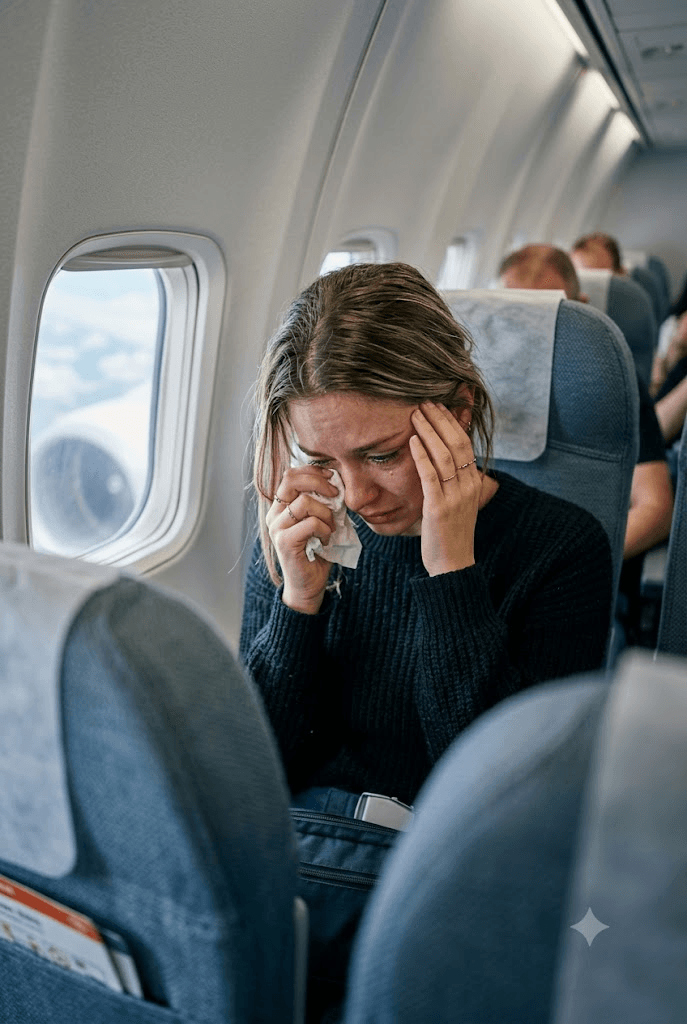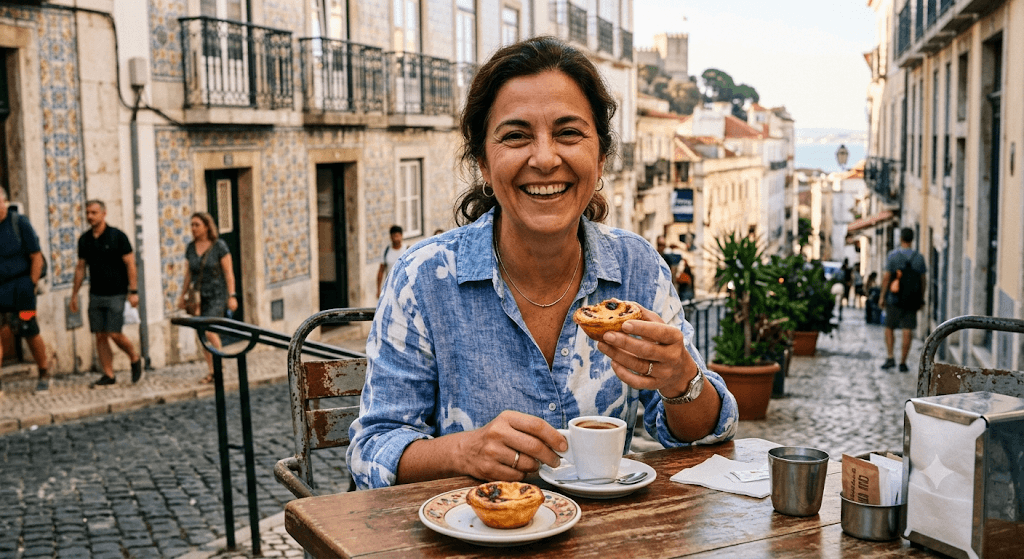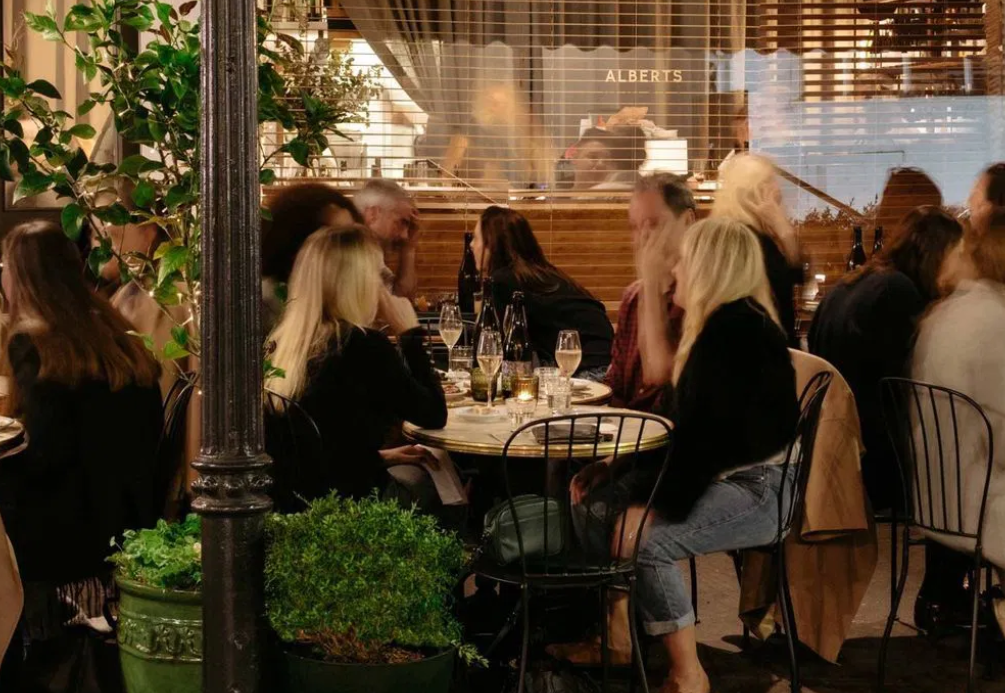
Somewhere around the early-to-mid-twenties, a cultural shift happens. Birthdays stop being celebrated and start being managed. “I’m keeping it low-key this year.” “I don’t really do birthdays anymore.” “It’s just another day.” This has become so normalised that people who actually want to celebrate their birthday often feel embarrassed to say so — as if enthusiasm for one’s own existence is something to be quietly ashamed of. It’s time to name this for what it is: the low-key trap. And it’s costing us more than we realise.
Why Did We Stop Celebrating Birthdays?
The shift toward low-key birthday culture has several drivers. Disappointment from past birthdays that didn’t meet expectations. The fear of seeming demanding or attention-seeking. A general cultural ambivalence about ageing that makes each birthday feel more like a reminder of time passing than a genuine celebration. Social anxiety about gathering people together and the vulnerability that implies.
For many people, the low-key approach is a pre-emptive defence against disappointment. If you don’t make a big deal of it, you can’t be let down. If you don’t ask for anything, you can’t be hurt by receiving nothing. This is understandable — but it comes at a cost.
What We Lose When We Don’t Mark the Day
Rituals matter. Anthropologists and psychologists have long recognised that marking significant events — including the passage of time — serves important psychological functions. Birthdays are one of the few occasions that exist specifically to celebrate a single person’s existence. To mark it well is to say: your life matters. The fact that you were born and are here matters. That is not a small thing.
When we consistently undermark our own birthdays, we subtly reinforce a belief that we are not worthy of celebration. That our presence in the world is unremarkable. That wanting to feel special is embarrassing. Over time, this can contribute to a generalised sense of not mattering — to others, and to ourselves.
Research on rituals and wellbeing shows that intentional marking of significant events increases positive emotion, strengthens social bonds, and enhances our sense of meaning and identity. Birthdays, when genuinely celebrated, deliver all three.
The Friendship Dimension: Skipping Birthdays Weakens Bonds
When everyone is in the low-key birthday camp, something quietly happens to friendship groups. The rituals that bind people together — shared celebrations, collective acknowledgement of milestones — gradually disappear. People become more isolated, more disconnected, more uncertain about where they stand with the people they care about.
Birthdays are one of the most natural and legitimate opportunities to actively express care. Showing up for someone’s birthday — physically, with a call, with a message that actually says something specific and real — is a powerful act of friendship. It says: I remembered. You matter to me. I made time for you. In friendships that increasingly rely on group chats and passive consumption of each other’s social media, these active moments of genuine care become more important, not less.
For more on what it takes to sustain meaningful adult friendships, this guide on maintaining friendships when life gets busy is worth reading alongside this piece.
Why Ageing Anxiety Makes the Problem Worse
Much of birthday avoidance is tied to discomfort with ageing. Each birthday is a reminder that you’re older — that time has passed, that some things haven’t happened yet that you hoped would, that the gap between where you are and where you imagined you’d be is real. Celebrating feels uncomfortable when the birthday itself feels like a problem.
But this thinking has it backwards. Ageing is not the problem. The unlived life, the neglected relationships, the years passed without genuine celebration and presence — these are the things worth attending to. A birthday, marked well, can be an annual moment of honest self-reflection, genuine gratitude, and recommitment to the things that actually matter. That’s valuable at every age. Perhaps especially at the ones that feel uncomfortable.
How to Reclaim Your Birthday Without the Pressure
Celebrating your birthday doesn’t require an expensive party or a carefully curated Instagram moment. It requires an intention: to mark the day in a way that feels genuinely meaningful to you. Some options:
- Identify what would actually feel good — not what you think you should want, but what you genuinely want. A dinner with your closest people? A solo day doing exactly what you love? An adventure? A quiet, beautiful meal?
- Tell people what you want. Clearly, specifically, without apology. Most people want to celebrate you — they just need direction. “I’d love to do X” removes the guesswork and makes it more likely to actually happen.
- Create a ritual that’s yours. It doesn’t need to involve other people. An annual review of the past year, a letter to yourself, a solo trip to somewhere that matters to you — a personal ritual gives the day structure and meaning beyond its default.
- Receive well. If people do something for you — a card, a message, a surprise — receive it with actual gratitude rather than deflecting it. Let yourself feel that you are cared for. That’s the whole point.
What Celebrating Others’ Birthdays Does for You
Here’s a less obvious benefit: actively celebrating other people’s birthdays — showing up, making effort, expressing genuine care — is good for you. Acts of generosity and intentional care activate positive emotion, deepen connection, and reinforce your own sense of purpose and belonging. When you invest in marking someone’s birthday meaningfully, you are not only giving them something. You are participating in a relational ecosystem that will, over time, come back to you.
The people who are most reliably celebrated on their birthdays are usually the ones who celebrate others most reliably. That’s not mercenary thinking — it’s how reciprocal relationships naturally work. Show up for others, and you create the conditions for them to show up for you.
For more on building the kind of mutual friendships that make celebration feel natural, understanding the types of friendships that truly sustain you is a helpful place to start.
Frequently Asked Questions
Is it okay if I genuinely don’t want a birthday celebration?
Absolutely. The goal isn’t to force celebration that feels meaningless or uncomfortable. The goal is to examine whether the “low-key” preference is genuine, or whether it’s a protective defence against potential disappointment or vulnerability. If you’ve genuinely reflected and truly prefer a quiet day, that’s valid. But if you secretly want to be celebrated and are pre-emptively deflecting that desire out of fear or past hurt, that’s worth sitting with honestly.
How do I celebrate my birthday when I don’t have many close friends?
This is a genuinely hard situation, and it’s more common than people admit. A few options: plan something you love doing solo and make it intentional and special rather than ordinary. Reach out to people you’ve been meaning to reconnect with and use the birthday as a low-stakes reason to make contact. Consider it an opportunity to assess which relationships you want to invest more in going forward. Your birthday can be a catalyst for the kind of intentional connection-building that makes future birthdays feel very different.
What if I feel sad on my birthday?
Birthday sadness is far more common than social media suggests. The day often amplifies feelings of loneliness, unmet expectations, or grief — for things you hoped would be different by now, for people who aren’t there anymore, for a version of your life that didn’t materialise. If this resonates, it’s worth acknowledging the sadness rather than pushing through to forced cheerfulness. The feelings are real, and they deserve space. What you do with that space — whether that’s reaching out, resting, reflecting, or seeking support — is a form of self-care in itself.
Further Reading & Sources

Cassandra Simpson is a wellbeing and relationship writer with a BSc in Psychology and five years of experience working in community mental health support. She writes about love, friendship, boundaries, and the emotional work of belonging — drawing on both academic grounding and the hard-won perspective that comes from navigating her own relationship patterns, friendships, and personal growth in real time. Cassandra trained as a peer support facilitator and has spent years exploring attachment theory, interpersonal dynamics, and the psychology of connection. Her writing is shaped by a deep belief that most relationship struggles come not from failure, but from the absence of honest, accessible information about how human connection actually works.