What you eat during pregnancy is one of the most powerful ways you can support your baby’s development. While prenatal vitamins cover the basics, real whole foods deliver nutrients in combinations that supplements simply can’t replicate. Here are 8 nutrient-packed foods to include in your diet to support a healthy pregnancy and help grow a healthy baby.
Why Nutrition in Pregnancy Is So Critical
During the nine months of pregnancy, your body is building a human being from scratch — forming a brain, a spine, a heart, and a complex immune system. The nutrients you consume become the literal building blocks of your baby’s body. Deficiencies in key nutrients like folate, iron, iodine, omega-3 fatty acids, and calcium don’t just affect your wellbeing — they can have lasting consequences for your child’s cognitive development, birth weight, and long-term health. The NHS advises that a balanced, varied diet rich in vitamins and minerals is the cornerstone of a healthy pregnancy, with specific foods offering particularly concentrated nutritional benefit.
1. Leafy Greens (Spinach, Kale, Swiss Chard)
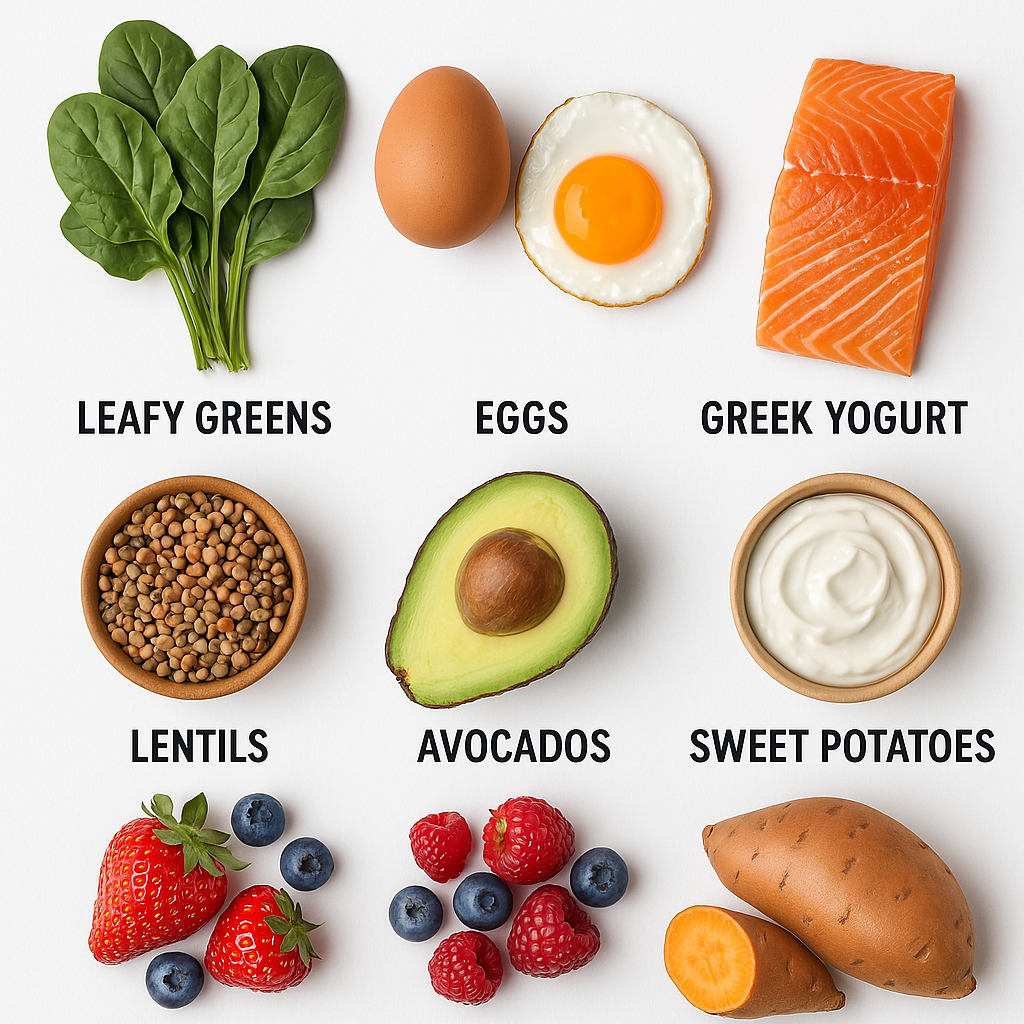
Leafy greens are among the most nutrient-dense foods you can eat during pregnancy. They are rich in folate (vitamin B9), which is crucial in early pregnancy to prevent neural tube defects such as spina bifida. The NHS recommends all women planning or in early pregnancy take 400mcg of folic acid daily — and leafy greens are one of the best food sources to complement this. They also provide iron to support the increased blood volume pregnancy demands, calcium for bone development, and vitamin K for healthy blood clotting. Try adding a handful of spinach to a smoothie, wilting kale into pasta, or using Swiss chard in a morning omelette.
2. Eggs
Eggs are one of the most complete single foods available during pregnancy. They are an excellent source of choline — a nutrient that plays a critical role in brain development and helps prevent neural tube defects. One large egg contains roughly 147mg of choline, contributing significantly to the 450mg daily requirement recommended for pregnant women by the National Institutes of Health. Eggs also deliver high-quality protein, selenium, vitamin D, and B vitamins. Make sure they are fully cooked — scrambled, poached, or hard-boiled are all excellent options.
3. Oily Fish (Salmon, Sardines, Mackerel)
Oily fish is one of the richest dietary sources of DHA — the omega-3 fatty acid that is essential for your baby’s brain and eye development. Research consistently shows that adequate DHA intake during pregnancy is associated with higher cognitive scores in children. The NHS recommends up to two portions of oily fish per week during pregnancy, which provides both DHA and vitamin D, a nutrient many women in the UK are deficient in. If you don’t eat fish, an algae-based omega-3 supplement is a good plant-based alternative.
4. Dairy (Yogurt, Cheese, Milk)
Your baby’s skeleton is forming rapidly from the second trimester onward, and calcium is the primary mineral needed for that process. If your diet doesn’t supply enough calcium, your body will draw it from your own bones to meet the baby’s needs — which affects your long-term bone health. Full-fat yogurt is particularly valuable because it also contains probiotics that support gut health, iodine for thyroid function, and protein. Aim for two to three portions of dairy daily. If you are dairy-free, calcium-fortified plant milks and tofu made with calcium sulfate are useful alternatives.
5. Legumes (Lentils, Chickpeas, Black Beans)
Legumes are powerhouse pregnancy foods that are often overlooked. They are rich in folate, iron, magnesium, potassium, and fibre — all nutrients your body needs in higher amounts during pregnancy. Iron is particularly important: pregnancy increases your blood volume by up to 50%, and your iron requirements nearly double to support this. Low iron levels during pregnancy are associated with increased risk of premature birth and low birth weight. A lentil soup, a chickpea curry, or hummus on wholemeal toast are all simple and satisfying ways to boost your daily intake.
6. Sweet Potatoes
Sweet potatoes are an exceptional source of beta-carotene, which the body converts to vitamin A. Vitamin A is essential for your baby’s cell growth, immune function, and the development of the eyes, skin, and organs. One medium sweet potato can contain more than 100% of the recommended daily intake of beta-carotene. Unlike preformed vitamin A (retinol) found in liver — which should be avoided in pregnancy due to toxicity risk — beta-carotene from plant foods is safe in any quantity because the body only converts what it needs. Sweet potatoes also provide vitamin C, potassium, and slow-release carbohydrates that help stabilise energy and blood sugar.
7. Nuts and Seeds (Especially Walnuts and Chia Seeds)
Walnuts are one of the richest plant-based sources of ALA omega-3 fatty acids, supporting brain development in the absence of fish. Chia seeds deliver omega-3s, fibre, calcium, and magnesium in a tiny, easy-to-add package — just two tablespoons mixed into yogurt or porridge make a meaningful nutritional difference. Almonds provide vitamin E and magnesium, while pumpkin seeds are one of the best plant sources of zinc, which supports immune function and normal growth. A small handful of mixed nuts and seeds as a daily snack is one of the simplest pregnancy nutrition upgrades you can make.
8. Water — The Underestimated Essential
It may not be a food, but hydration is one of the most overlooked aspects of pregnancy nutrition. Blood volume increases dramatically during pregnancy, amniotic fluid needs replenishing, and the kidneys work harder to filter waste for two. Dehydration during pregnancy is associated with headaches, dizziness, constipation, urinary tract infections, and in more serious cases, preterm contractions. The NHS recommends pregnant women drink approximately 1.8 litres (around 8 glasses) of fluid per day, increasing in hot weather or after exercise. Water should be your primary source — limit caffeine to under 200mg per day and avoid energy drinks entirely.
A Note on What to Avoid
Alongside what to eat, it’s worth briefly noting what to limit or avoid: raw or undercooked meat and eggs, unpasteurised cheeses, liver and high-dose vitamin A supplements, raw shellfish, high-mercury fish (shark, swordfish, marlin), alcohol, and more than 200mg of caffeine daily. For a full list, the NHS pregnancy foods to avoid guide is the most reliable UK resource.
Final Thoughts
Eating well during pregnancy doesn’t have to be complicated or expensive. The most powerful pregnancy diet is simply a varied, whole-food diet rich in vegetables, legumes, quality protein, dairy or calcium-rich alternatives, and healthy fats. Small, consistent choices across nine months add up to something extraordinary. You’re not just feeding yourself — you’re building someone.
Written by Cassandra Simpson, Wellbeing & Lifestyle Writer at Rubie Rubie.
You Might Also Like
- What No One Tells You About the First Year of Motherhood
- The Heart-Centred Guide: When to Announce Your Pregnancy
- Why Self-Care Isn’t Selfish — It’s the Most Generous Thing You Can Do

Cassandra Simpson is a wellbeing and relationship writer with a BSc in Psychology and five years of experience working in community mental health support. She writes about love, friendship, boundaries, and the emotional work of belonging — drawing on both academic grounding and the hard-won perspective that comes from navigating her own relationship patterns, friendships, and personal growth in real time. Cassandra trained as a peer support facilitator and has spent years exploring attachment theory, interpersonal dynamics, and the psychology of connection. Her writing is shaped by a deep belief that most relationship struggles come not from failure, but from the absence of honest, accessible information about how human connection actually works.