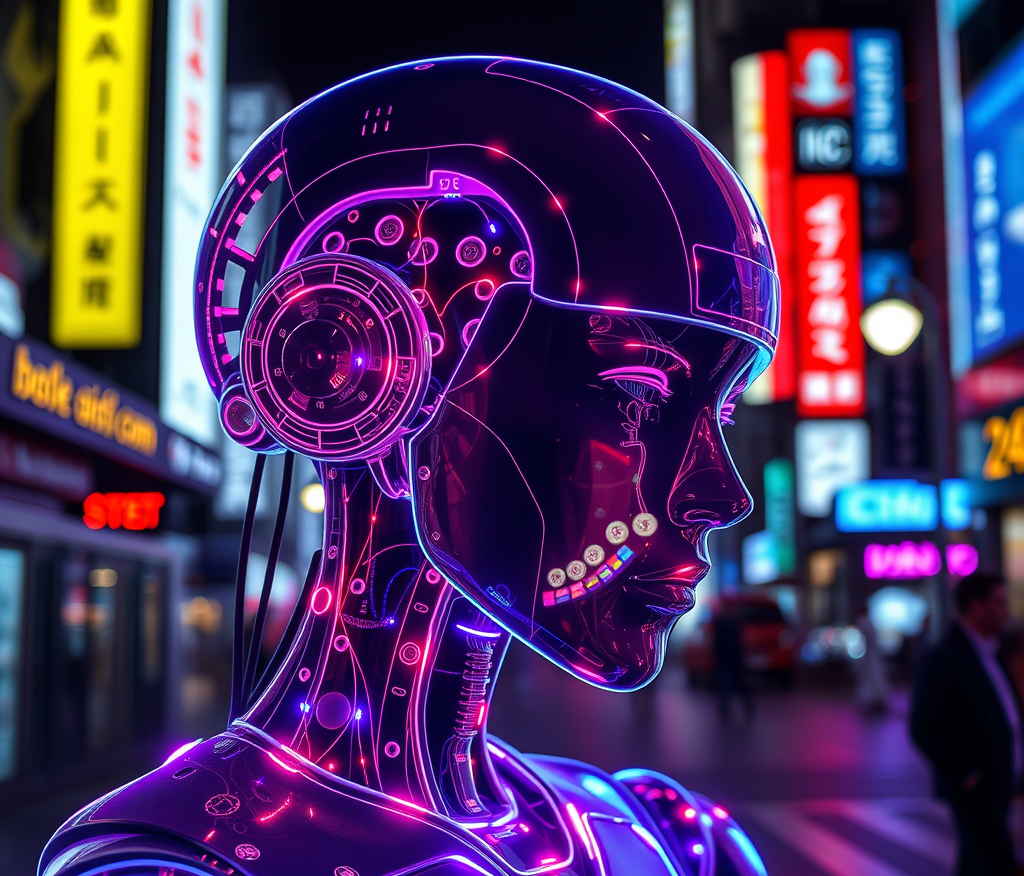
I’ve been thinking a lot lately about the strange position creative people find themselves in right now. We’re watching AI systems produce, in seconds, things that would have taken us hours or weeks — writing, images, music, code. And we’re being asked to have a settled opinion about this, to be either enthusiastically for it or emphatically against it, when the honest answer for most of us is somewhere much more complicated than that.
What I’ve come to believe is that the question isn’t whether AI is good or bad — it’s how we want to relate to it. Because it’s here, it’s accelerating, and its impact on creativity, community, and the planet is real and growing. The question is what we do with that. Here are seven ways to be intentional about reducing AI’s impact on the things that matter most.
1. Value Human-Made Things Deliberately
One of the quietest but most significant shifts underway is in the value we assign to things made by human hands, minds, and effort. When anything can be generated in seconds, the things that couldn’t — that came from years of skill, personal experience, and genuine creative struggle — become more meaningful, not less. This is actually an opportunity, if we choose to take it.
Being deliberate about valuing human creativity means choosing to buy from artists, writers, and musicians rather than always defaulting to AI-generated alternatives. It means paying for journalism rather than consuming the free version. It means seeking out handmade, local, and independent in markets increasingly dominated by algorithmically optimised mass production. These choices, made consistently, protect the creative ecosystem that human culture depends on.
2. Protect Your Own Creative Practice
If you’re someone who writes, makes art, composes, codes, or creates in any form — protect your practice from the temptation to outsource the hard parts. The hard parts are where the growth happens. The struggle to find the right word, the frustrating iteration toward a composition that feels right, the process of making something that didn’t exist and making it yours — these are not inefficiencies to be optimised away. They’re the experience of being a creative person.
Research by Dr. Robert Weisberg at Temple University on creative cognition has consistently shown that creative expertise develops through a long process of effortful practice and iteration. The shortcut doesn’t produce the same thing as the process — it just produces something that looks similar. Using AI as a tool within a creative practice is very different from using it to replace the practice itself. Knowing the difference matters.
3. Invest in Human Connection Over Digital Mediation
AI is increasingly present in the spaces we once reserved for human connection — customer service, therapy apps, companionship platforms, social media curation. Each of these offers something convenient, but what they offer tends to be thinner than the real thing. The efficiency of an AI conversation can’t replicate what happens in a genuine human exchange: the misunderstandings that teach you something, the unexpected depth of someone else’s perspective, the particular warmth of being known by another person over time.
Protecting community means actively investing in human spaces: the local book club, the neighbourhood initiative, the friendship that requires real effort to maintain. It means resisting the drift toward convenience and mediation in favour of the richer, messier experience of genuine human connection. The science on this is unambiguous — meaningful social relationships are the single strongest predictor of long-term wellbeing. This neuroscientist-backed guide to making friends as an adult is worth bookmarking if you’re working on this.
4. Be Honest About AI’s Environmental Cost
The environmental impact of AI is one of the least discussed aspects of the current boom — and it’s significant. Training large AI models requires enormous computational resources, which in turn require massive amounts of energy and water. Research published in Nature in 2023 by Dr. Shaolei Ren at the University of California found that ChatGPT alone consumes roughly half a litre of water per conversation for cooling the server infrastructure. Globally, data centres already account for around 1-2% of global electricity use, a figure that is rising rapidly as AI demand grows.
None of this means never using AI tools. But it does mean being intentional rather than casual: not generating five AI images when one will do, not running multiple AI searches for information you could find in seconds with a conventional search, not treating the convenience as if it were cost-free. Consumer awareness of these costs is one of the mechanisms by which pressure can be placed on the industry to invest in renewable energy and greater efficiency.
5. Support Policy and Regulation
Individual choices matter, but they have limits. The systemic impact of AI — on creative industries, on labour markets, on privacy, on the environment — requires systemic responses. Supporting policies and organisations that are working on responsible AI governance is one of the more impactful things a concerned person can do.
This means staying informed about AI regulation debates in your jurisdiction, supporting journalism that covers these issues seriously, and making your views known to elected representatives when relevant legislation is under consideration. It also means supporting the creative industry organisations — unions, guilds, professional associations — that are advocating for copyright protection, fair compensation, and ethical use of creative work in AI training.
6. Use AI Consciously Rather Than Compulsively
There’s a distinction between using AI as a tool for specific, considered purposes — research assistance, accessibility, translation, accessibility features — and the compulsive, unconsidered use that’s emerging as AI becomes embedded in every platform and device. Being intentional means occasionally asking: is this the best way to do this, or just the fastest? Would doing it the harder way teach me something, or produce something better? Does reaching for AI in this moment serve my actual goals, or just my impatience?
This kind of reflection is increasingly countercultural in a tech landscape designed to maximise engagement and dependency. But it’s the kind of thinking that keeps you in the driver’s seat of your own creative and intellectual life. If you’re thinking about how technology is reshaping broader aspects of life and work, this piece on confidence and communication in an AI-driven world is genuinely worth reading.
7. Champion Transparency and Attribution
One of the cleanest individual actions available to anyone who creates or publishes content is to be transparent about what is and isn’t AI-generated in your own work, and to advocate for that transparency norm more broadly. The creative ecosystem depends on trust — on audiences being able to distinguish between human creative expression and machine generation, if they choose to. Building a culture of transparency around AI use is something every creator can contribute to, simply by modelling it in their own practice.
This connects to broader questions about authenticity — what it means to express something genuinely in an age when expression can be simulated. The power of authentic, vulnerable expression has never been more meaningful — or more countercultural. And holding onto your sense of self and worth in a world that’s rapidly automating creative labour is, I’d argue, one of the most important acts of resistance available to any of us.
Frequently Asked Questions
Is it hypocritical to use AI while also being concerned about its impact?
No more than it’s hypocritical to drive a car while caring about climate change. We live inside systems we didn’t design and can’t individually opt out of entirely. The question isn’t whether to engage with AI at all, but how to engage thoughtfully — with awareness of the costs and benefits, with intentionality about when and how you use it, and with support for the systemic changes needed to make it more sustainable and equitable. Purity is rarely possible; consciousness always is.
How can I protect my creative work from being used to train AI without my consent?
The legal landscape here is still developing, but there are practical steps available. Adding opt-out signals to your website (like the robots.txt file or the AI training opt-out tags that some platforms now support) can help, though compliance is not currently universal. Platforms like Adobe Stock and Getty have specific policies around AI training and compensation. Some creators are choosing to watermark their work more prominently, or to share it only through platforms with clear AI training policies. Joining or supporting creative industry organisations that are negotiating these standards gives individual creators more collective leverage than they have alone.
What’s the most meaningful individual action I can take on AI’s environmental impact?
Reduce your own consumption of computationally intensive AI services where alternatives exist, and make your views about renewable energy use known to the tech companies you use — particularly through the consumer feedback mechanisms and investor pressure that these companies respond to. Beyond individual action, supporting organisations and politicians who are pushing for mandatory energy transparency reporting from AI companies and data centres is one of the more impactful systemic levers available. The AI industry responds to regulation and market pressure in roughly equal measure.
Further Reading & Sources

Jack Rylie is a writer and mental health advocate who has spent the past decade exploring resilience, identity, and emotional rebuilding — both as a writer and as someone who has navigated significant personal upheaval. After a career change in his early 30s that coincided with the end of a long-term relationship, Jack spent two years in psychotherapy and became deeply interested in how men process loss, change, and vulnerability in a culture that rarely creates space for it. He holds a Post-Graduate Certificate in Psychology of Mental Health and has contributed to mental health awareness campaigns with several UK-based organisations. His writing draws on clinical research, personal experience, and a long-held belief that honest male vulnerability is not a weakness — it is the foundation of genuine resilience.