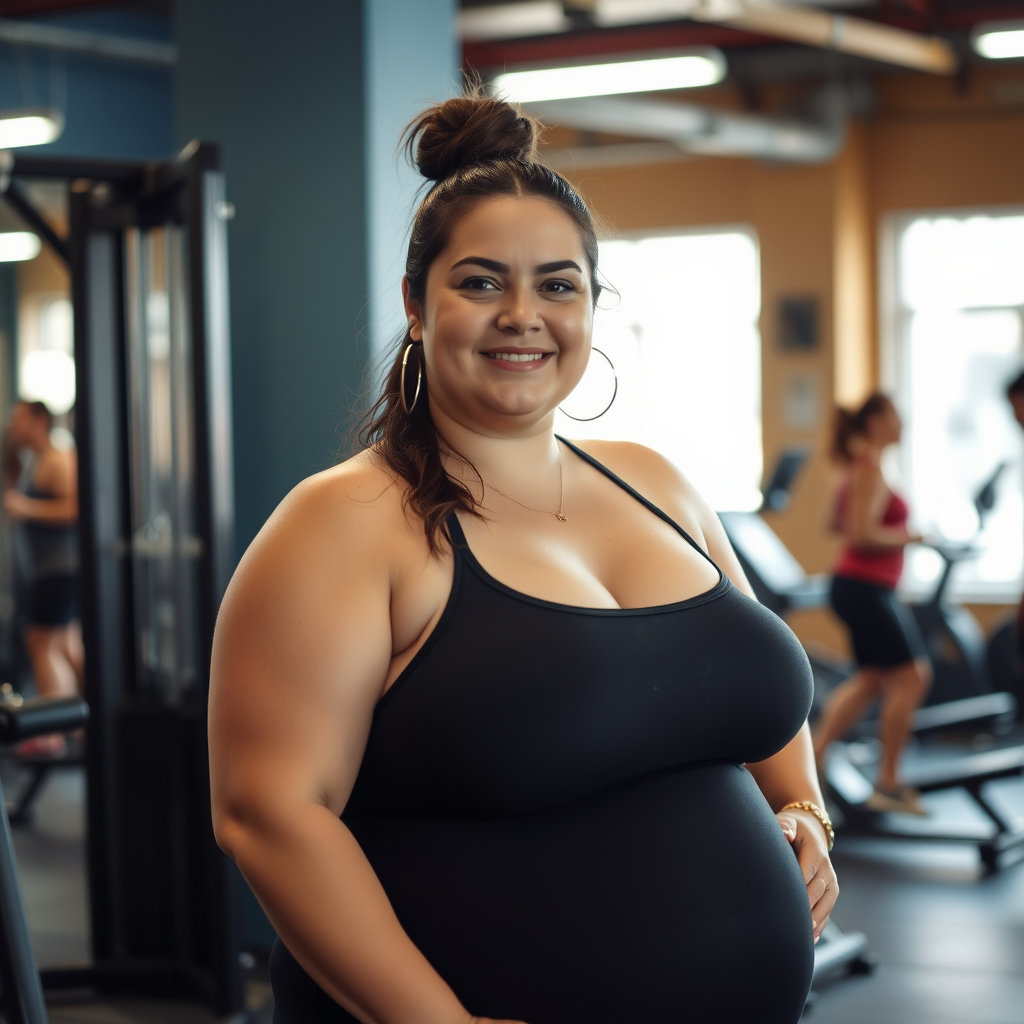
When Ozempic first hit mainstream culture, it was celebrated as a medical breakthrough. But something else happened alongside the weight loss headlines — a quiet, devastating shift in how we talk about bodies. Suddenly, the body positivity movement that had fought so hard to be seen seemed to be losing ground. Thin was back in, and it came with a prescription.
Psychologists, body image researchers, and thousands of women online have started speaking out. Ozempic hasn’t just changed bodies — it’s changed the conversation. And for many, that conversation feels like a step backwards.
1. It Reinvigorated the “Thin Ideal” Just When We Were Moving Past It
For over a decade, the body positivity movement worked tirelessly to challenge the idea that thinness equals health, success, or worth. We were slowly seeing more diverse body shapes in fashion, media, and advertising. And then — almost overnight — Ozempic became a cultural phenomenon.
The message sent, whether intentional or not, was clear: thinness is still the goal. And if your body doesn’t get there naturally, there’s a drug for that. According to research from the National Eating Disorders Association (NEDA), increased societal focus on weight loss methods directly correlates with heightened body dissatisfaction, particularly among young women.
2. It Made “Before” Bodies the Problem Again
Before-and-after Ozempic content flooded social media. And while many people sharing their journeys meant no harm, the unintentional message was damaging: the “before” body was something to escape. Something broken. Something to be fixed.
This is exactly what body confidence advocates had spent years trying to undo — the idea that your current body is a problem. Dr. Charlotte Cooper, a fat activist and researcher, has written extensively about how weight-loss narratives reinforce body shame even when framed as health journeys.
If you’ve ever struggled with how you see yourself in the mirror, you’re not alone. Understanding your own self-worth and inner confidence matters more than any number on a scale.
3. It Triggered Disordered Eating Patterns in Vulnerable People
The appetite-suppressing effects of semaglutide (the drug in Ozempic) have been praised as a “miracle” for many. But for people with a history of restrictive eating or disordered relationships with food, those same effects can be deeply triggering.
A 2023 study published in the International Journal of Eating Disorders raised concerns about GLP-1 receptor agonists being prescribed without thorough mental health screening, noting that the drugs can reinforce harmful restriction behaviours in people already prone to them.
Body confidence is built from the inside out — and that starts with self-care that truly nourishes you. Self-care isn’t selfish — it’s the most important investment you can make in yourself.
4. It Created a New Form of Body Hierarchy
Access to Ozempic isn’t equal. In many countries it costs hundreds of pounds or dollars per month without insurance. This has created an uncomfortable new class divide: those who can afford pharmaceutical-assisted thinness, and those who cannot.
And when celebrities began visibly shrinking — only to deny any drug use — it set an impossible standard. Regular people were left wondering why they couldn’t achieve the same results through “lifestyle changes,” not realising the playing field had fundamentally changed.
5. Social Media Amplified the Damage
TikTok, Instagram, and YouTube became flooded with Ozempic content — transformation videos, “what I eat in a day” posts, and influencers documenting their dramatic changes. The algorithm, designed to keep us watching, pushed these videos to millions of users regardless of their relationship with food or body image.
The American Psychological Association has consistently documented the link between social media exposure to idealised body images and decreased body satisfaction, particularly in women aged 13–35. The Ozempic era brought this problem to a whole new level.
6. It Sidelined Conversations About Mental and Emotional Health
Perhaps one of the most troubling effects of the Ozempic era is how it has narrowed the wellness conversation back down to weight. For years, we were making progress in talking about mental health, emotional wellbeing, and holistic health. The drug’s dominance in wellness spaces has pulled focus back towards the physical — and specifically the slimmest version of it.
Building genuine confidence in your 30s and beyond means developing inner strength that no drug can replicate — it comes from knowing yourself deeply.
What Psychologists Want You to Know
Body image experts are clear: sustainable confidence cannot be found through weight loss. Dr. Jennifer Gaudiani, a specialist in eating disorders and author of Sick Enough, argues that pursuing thinness through any means rarely resolves the underlying emotional drivers of body dissatisfaction.
True body confidence comes from learning to appreciate what your body can do, not just what it looks like. It comes from dismantling the stories we’ve been told — by media, by diet culture, by pharmaceutical marketing — and replacing them with our own.
Working on overcoming self-sabotage is a key step in this journey. Many of our most destructive thoughts about our bodies are patterns we’ve unconsciously learned and can consciously unlearn.
How to Protect Your Body Confidence in the Ozempic Era
You don’t have to opt out of the conversation entirely — but you can be more intentional about what you consume and what you internalise. Here are some practical steps:
- Curate your feed ruthlessly. Unfollow or mute accounts that trigger comparison. Follow body-neutral and body-diverse voices instead.
- Challenge the narrative. When you see an Ozempic transformation post, ask yourself: what was the “before” person actually lacking? Usually, nothing.
- Seek professional support. If you find body image content increasingly distressing, speaking with a therapist who specialises in eating disorders or body image can be transformative.
- Focus on what your body does, not how it looks. Strength, energy, connection, joy — these are the metrics that actually matter.
- Talk to your friends. Body confidence is a collective project. The more we speak openly, the less power these narratives have.
Remember that your happiness and wellbeing aren’t conditional on a smaller waistline. That’s not a radical idea — it’s just the truth that diet culture has worked hard to obscure.
Frequently Asked Questions
Is Ozempic harmful to body confidence for everyone?
Not necessarily for those taking it, but the cultural conversation around Ozempic — particularly on social media — has had a broad negative impact on body confidence for people who aren’t taking it. The before-and-after content and renewed emphasis on thinness has been documented as triggering by eating disorder charities and psychologists.
Can you rebuild body confidence after years of diet culture?
Absolutely. Body confidence is a practice, not a destination. It takes time to unlearn toxic messages and replace them with more compassionate ones, but it is entirely possible with the right support — including therapy, community, and conscious media consumption.
What’s the difference between body positivity and body neutrality?
Body positivity asks you to love your body unconditionally. Body neutrality asks you to simply stop at peace with it — to see it as a vessel that carries you through life rather than something that needs to be evaluated. Many people find body neutrality a more achievable and sustainable starting point.
Further Reading & Sources

Rubie Le’Faine is the founder of Rubie Rubie and a writer specialising in emotional well-being, self-identity, and the psychology of modern relationships. She holds a Level 3 Certificate in Counselling Skills and has spent over eight years studying attachment theory, cognitive behavioural principles, and human development — first through formal study, then through lived experience that no course can replicate. After navigating a significant relationship breakdown, an identity rebuild, and the complex terrain of rediscovering herself in her 30s, Rubie began writing to make sense of what she had learned and to offer honest, human guidance to others going through the same. She founded Rubie Rubie in 2022 as a space for women seeking real answers, not platitudes. Based in Surrey, UK, her writing is grounded in research, shaped by experience, and centred entirely on the reader’s genuine wellbeing.