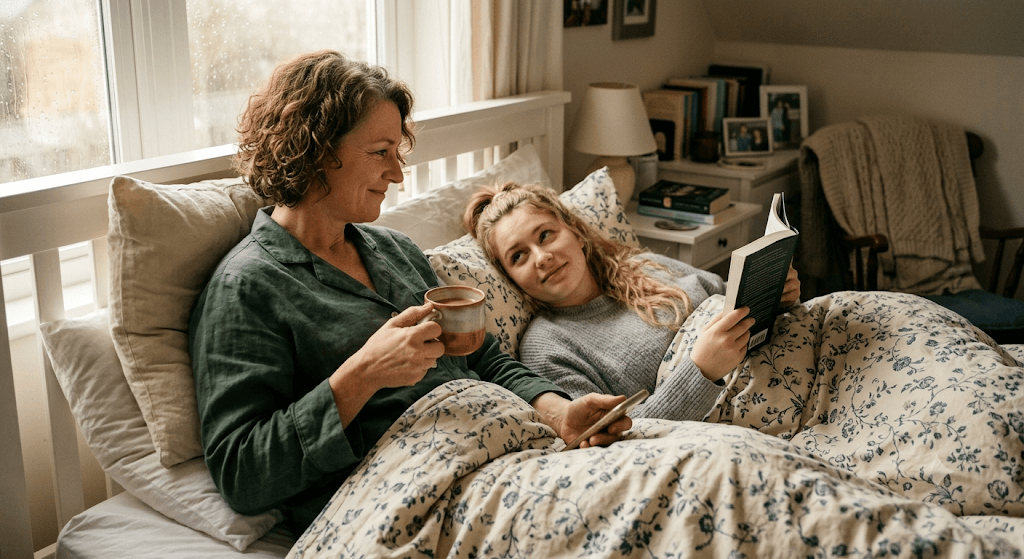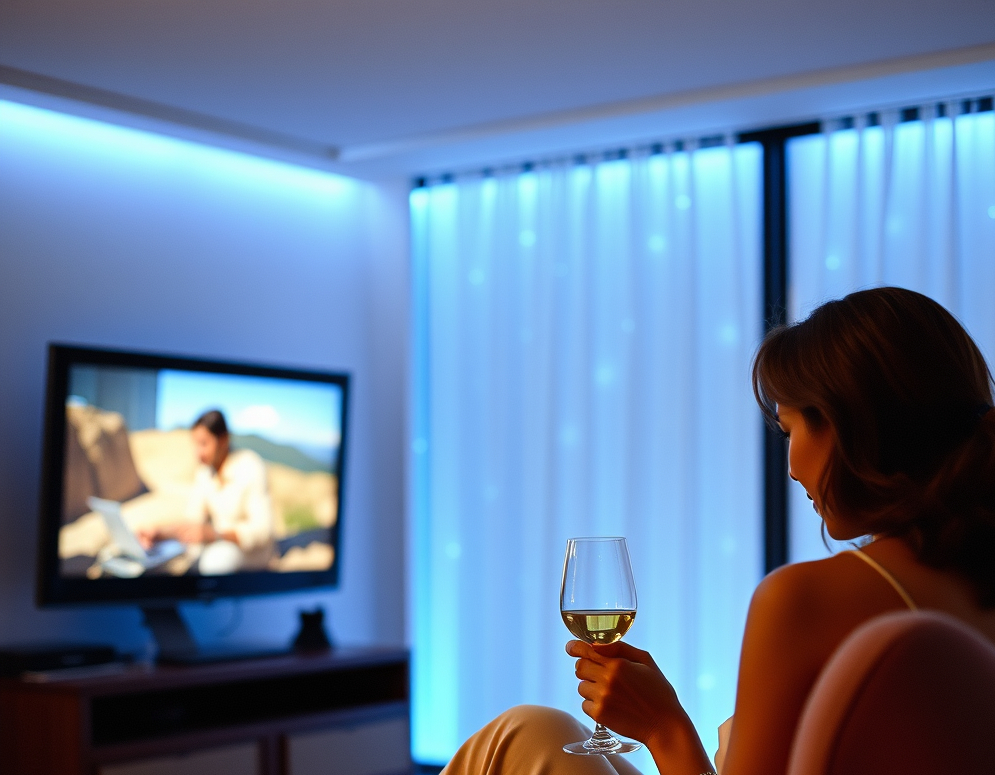
There is a guilty pleasure admission that crosses all demographics, education levels, and social positions: a great many people — women in particular, though certainly not exclusively — genuinely love trash TV. The Bachelor. Real Housewives. Love Island. Selling Sunset. These shows are deliberately designed to be easy, dramatic, conflict-rich, and wildly improbable. And yet they attract enormous audiences and generate genuine loyalty. Rather than dismissing this as mindless consumption, it is worth asking what needs these shows are actually meeting — because the answer is more interesting than the guilt suggests.
What Makes Something “Trash TV”?
The label “trash TV” is itself revealing — it implies a hierarchy of worthiness in entertainment that does not withstand much scrutiny. What typically gets labelled trash television involves high emotional drama, interpersonal conflict, social competition, and content that does not require active intellectual engagement to enjoy. By contrast, television that is considered “quality” tends to involve complex narrative structure, character development, moral ambiguity, and demands on the viewer’s attention and analysis.
The distinction is real but the value judgement is less clear than it appears. Both types of content meet genuine human needs — just different ones. And the assumption that intellectually demanding content is automatically more legitimate than emotionally engaging content reflects a particular cultural prejudice rather than a universal truth.
The Psychology of Why We Love It
Social comparison is one of the most fundamental human cognitive processes. We understand ourselves — our relationships, our choices, our social standing — in large part by comparing ourselves to others. Reality television provides an extraordinary laboratory for this comparison, free from the social costs of doing it in real life. Watching other people navigate relationship conflict, competition, and social dynamics activates our social cognition in engaging ways — and often in ways that are genuinely reassuring. The people on Love Island are beautiful and enviable, but also frequently making obvious mistakes and experiencing highly relatable emotional chaos.
Drama and conflict in fiction — including reality TV’s version of it — also trigger genuine emotional responses that have real value. The anger at a villain, the relief when someone is vindicated, the anxiety during a tense moment — these emotional experiences are not trivial. They are forms of emotional exercise: the experience and processing of emotion in a safe, low-stakes context that leaves you with a slightly richer emotional vocabulary and a lower emotional threshold for the next real-world situation.
The Communal Dimension of Trash TV
One of the most significant but least acknowledged functions of popular trash television is social. Shows like Love Island or The Real Housewives generate shared cultural experience — watercooler conversation, group chats, social media commentary — that serves genuine social bonding functions. Having a shared cultural reference point with friends, colleagues, or even strangers creates the kind of easy, low-effort social connection that busy adult life makes increasingly difficult to sustain.
Watching these shows with other people — or discussing them with others afterwards — is itself a form of social bonding through shared attention and shared emotional response. The quality of the content matters less for this function than its accessibility and ubiquity. And the social bonding it facilitates is entirely real, regardless of the vehicle. The kinds of friendships that sustain us are explored in the types of friends every woman needs in her life — and shared cultural engagement, including shared trash TV, is part of what makes some friendships so easy and sustaining.
The Restorative Value of Low-Demand Entertainment
Directed attention — the focused, effortful attention required for intellectually demanding work or even demanding “quality” television — is a limited cognitive resource that depletes with use. After a long day of complex problem-solving, decision-making, and emotionally demanding interactions, the brain genuinely needs rest — not sleep necessarily, but a form of engagement that does not draw further on the depleted cognitive reserves. Low-demand entertainment — including trash TV — provides exactly this: something to watch that keeps you pleasantly engaged without requiring cognitive effort.
Research on attention restoration theory supports the value of low-demand engagement as a genuine recovery mechanism. Watching something engaging but unchallenging allows directed attention to restore itself. After an episode of Love Island, you are not stupider — you are, in a measurable neurological sense, more rested. This connects to the broader principle of understanding what happens when you finally allow yourself to slow down.
Releasing the Guilt
The guilt that accompanies trash TV consumption is largely culturally constructed and not particularly useful. What matters is not the cultural status of what you are watching but how you are using it — and whether it is serving genuine restoration rather than avoidance of something that needs addressing. Enjoying trash TV after a full, engaged day is qualitatively different from using it to avoid genuine connection, meaningful work, or emotional processing that needs to happen. Used well, it is legitimate, value-generating rest. Used as a primary avoidance strategy, it is worth examining — not because the content is shameful but because what you are avoiding might deserve attention.
Frequently Asked Questions
Is watching trash TV actually bad for your intelligence?
No credible evidence supports the idea that consuming low-demand entertainment harms intelligence. Intelligence is primarily a function of genetics and environmental factors that are largely independent of television viewing. What excessive low-demand screen consumption can affect is attention span — the habit of rapid stimulation switching that comes with heavy social media and channel-surfing use. This is meaningfully different from watching a complete episode of a specific show from beginning to end, which does not involve the same attention-fragmenting pattern.
Why do women seem to enjoy reality TV more than men?
Research does find gender differences in reality TV preferences, with women on average rating relationship-focused and social competition formats higher than men, who on average prefer sports and achievement-focused content. These differences likely reflect a combination of socialised interests and genuine cognitive style differences in social processing. Neither is superior — they reflect different ways of engaging with the social world, both of which have evolutionary roots and adaptive value.
How do I watch trash TV without it affecting my sleep?
The sleep impact of evening television comes primarily from blue light exposure and from emotionally activating content that raises cortisol and prevents wind-down. If you are watching dramatic, conflict-heavy content right before bed, it may genuinely be affecting sleep onset and quality. Moving trash TV viewing to earlier in the evening, using a blue-light filter, and finishing at least an hour before bed reduces these effects significantly. Consider lower-intensity content in the hour before sleep if you are sensitive to the activating effects of dramatic programming.
Further Reading & Sources

Rubie Le’Faine is the founder of Rubie Rubie and a writer specialising in emotional well-being, self-identity, and the psychology of modern relationships. She holds a Level 3 Certificate in Counselling Skills and has spent over eight years studying attachment theory, cognitive behavioural principles, and human development — first through formal study, then through lived experience that no course can replicate. After navigating a significant relationship breakdown, an identity rebuild, and the complex terrain of rediscovering herself in her 30s, Rubie began writing to make sense of what she had learned and to offer honest, human guidance to others going through the same. She founded Rubie Rubie in 2022 as a space for women seeking real answers, not platitudes. Based in Surrey, UK, her writing is grounded in research, shaped by experience, and centred entirely on the reader’s genuine wellbeing.