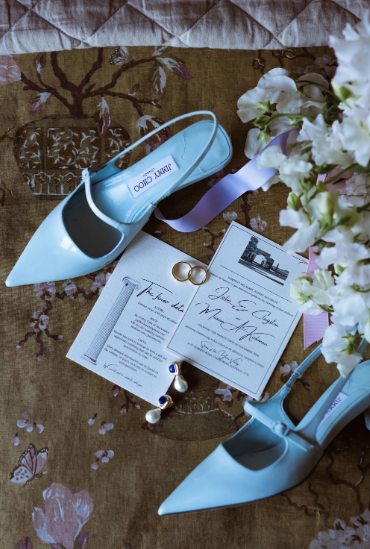
Wedding days are a strange and beautiful paradox: years of planning, thousands of decisions, and months of anticipation — all compressed into a single day that passes in a blur. The couples who enjoy their wedding most, in my experience, are rarely the ones who planned the most obsessively. They are the ones who prepared the most honestly and let go the most gracefully. Here are seven things I learned — some through joy, some through things going sideways — that I wish I had known earlier.
1. Protect the Morning — It Sets the Tone for Everything
The morning of your wedding will be both the most memorable and the most vulnerable part of the day. It is when nerves peak, when logistical hiccups tend to surface, and when the temptation to micromanage everything is at its strongest. The couples who start their wedding morning well — with a good breakfast, space to breathe, and a buffer of time that is genuinely protected from admin — tend to arrive at the ceremony in a completely different emotional state from those who are still fielding vendor calls at 9am.
Assign a trusted person — a wedding coordinator, a reliable friend, a family member who does not need hand-holding — to be the single point of contact for all vendors and logistics on the day. Brief them thoroughly in the week before. Then genuinely let go. Your job on the morning of your wedding is to be present and joyful, not operational.
2. Eat — Seriously, Actually Eat
This sounds absurdly obvious, but a significant number of couples arrive at their own reception genuinely hungry because the chaos of the day swallowed every meal opportunity. Between getting ready, photographs, the ceremony, and receiving guests, hours pass with no food. Adrenalin masks hunger during the day — but by 7pm it wears off and suddenly you are navigating the most important evening of your life with your blood sugar through the floor.
Put food on your morning schedule as a non-negotiable appointment. Pack snacks for the car between ceremony and reception. Ask your catering team to have plates of your wedding food specifically brought to you and your partner before the general service begins. You paid for it. You deserve to actually taste it.
3. Photographs Are Important, But Presence Is More Important
Wedding photography has become so central to how weddings are planned, shared, and remembered that many couples unknowingly optimise their day for the camera rather than for the experience. Hours of formal portrait time, carefully staged moments, and an anxiety about “getting the shot” can mean that you and your partner spend significant portions of your wedding day performing rather than living it.
A skilled wedding photographer can work efficiently and capture genuine emotion without requiring you to sacrifice presence for imagery. Choose a photographer whose portfolio shows real moments rather than primarily staged ones. Brief them on what matters most to you and what you want to feel free from. The photographs will reflect the day you had — and if the day is genuinely full of joy and connection, the photographs will show it.
4. Budget for the Unseen Costs
Every wedding budget has a gap between planned expenditure and actual expenditure. The unseen costs appear from everywhere: tips for vendors (expected and appreciated), alterations that run over estimate, additional alcohol when guests drink more than the per-head calculation anticipated, floral additions that seemed minor individually but added up, transport that cost more than quoted. Add 15–20% to your total budget as a contingency and treat that contingency as spoken for, not as a buffer you hope not to use. If you do not use it, it is a lovely bonus. If you do, you are not spiralling.
This financial buffer approach is directly aligned with the broader principle of smart financial planning — keeping fixed commitments manageable and building in reserves rather than stretching to the limit. The same mindset that applies to everyday finances applies to event budgeting. Consider reviewing micro-saving strategies in the months leading up to your wedding to build that contingency fund without stress.
5. Have the Hard Conversations About the Guest List Early
The guest list is where most wedding-related family conflict lives. The sooner you and your partner align on your vision — intimate gathering vs. extended community celebration, who makes the final decisions, how to handle family politics — the more peacefully the planning process runs. Delaying these conversations does not make them go away; it just means they surface later, when you have already made venue choices, capacity decisions, and seating plans that would need to be unpicked.
It is also worth having a frank conversation about the purpose of the wedding for each of you. Is it a family occasion? A celebration of your community? An intimate ceremony followed by a big party? A private, small affair? The answers shape every decision that follows. Couples who have different underlying visions and do not surface them early enough find themselves making individually rational decisions that collectively do not add up to a coherent day.
6. Build in Moments With Each Other
It is genuinely possible to spend your entire wedding day greeting, thanking, and being photographed with other people while barely spending a moment alone with your partner. Build specific protected moments into your timeline: a quiet ten minutes immediately after the ceremony before the receiving line, a brief escape together during the meal, a few songs on the dance floor that are genuinely yours rather than performance. These moments are the ones couples most often say they wish they had had more of.
A first look — where you see each other before the ceremony in a private moment — is increasingly popular precisely because it gives couples an intimate moment before the public spectacle begins. Whether you do a first look or not, intentionally designing your day to include genuine togetherness amid the celebration is one of the most meaningful things you can do. This is the essence of what makes a healthy relationship thrive — investing in the connection at the centre of everything.
7. Something Will Go Wrong. Plan to Enjoy That Too
On almost every wedding day, something does not go to plan. The flowers are not quite right. A family member behaves unexpectedly. It rains. The timeline slips. A vendor is late. Most of these things are invisible to guests and forgettable within days. What determines whether they become devastating or amusing is your relationship with imperfection — and your willingness to hold the unexpected lightly.
The weddings that people most warmly remember — both as couples and as guests — are rarely the flawlessly executed ones. They are the ones with warmth, laughter, genuine connection, and yes, sometimes a good story about what went slightly sideways. Give yourself permission to be human on your wedding day. That permission is what lets the day breathe — and it connects to the broader principle of embracing authenticity and vulnerability as the basis of anything truly meaningful.
Frequently Asked Questions
How do I manage wedding day nerves?
Wedding day nerves are normal and do not mean you are making the wrong choice. They typically reflect the magnitude of the occasion rather than doubt about your partner. Practical management: slow, deep breathing (box breathing — four counts in, hold four, out four, hold four — is particularly effective for acute anxiety), staying warm, eating well, surrounding yourself with calm people in the morning, and genuinely accepting that the day does not need to be perfect to be wonderful.
What is the most underrated wedding planning tip?
Booking your vendors based on their professionalism and communication style as much as their portfolio. You will spend significant time corresponding with, trusting, and relying on your vendors. A photographer with slightly less impressive work but excellent communication and calm professionalism will serve you better on the day than a brilliant photographer who is unreliable or difficult. The quality of the professional relationship matters enormously under pressure.
How do we make guests who cannot attend still feel included?
A well-produced live stream, thoughtful invitations to the evening celebration if not the ceremony, and a personal video or handwritten note after the wedding go a long way. Many couples find that sharing a short, genuine video message — not a polished production, but a warm personal one — to those who could not attend feels more connected than a formal announcement. Including them in the telling of the story, as well as the planning, keeps people close despite the distance.
Sources & further reading: Psychology Today: Marriage and Commitment | Gottman Institute: Building a Strong Marriage | Relate: Getting Married Guide.

Jack Rylie is a writer and mental health advocate who has spent the past decade exploring resilience, identity, and emotional rebuilding — both as a writer and as someone who has navigated significant personal upheaval. After a career change in his early 30s that coincided with the end of a long-term relationship, Jack spent two years in psychotherapy and became deeply interested in how men process loss, change, and vulnerability in a culture that rarely creates space for it. He holds a Post-Graduate Certificate in Psychology of Mental Health and has contributed to mental health awareness campaigns with several UK-based organisations. His writing draws on clinical research, personal experience, and a long-held belief that honest male vulnerability is not a weakness — it is the foundation of genuine resilience.