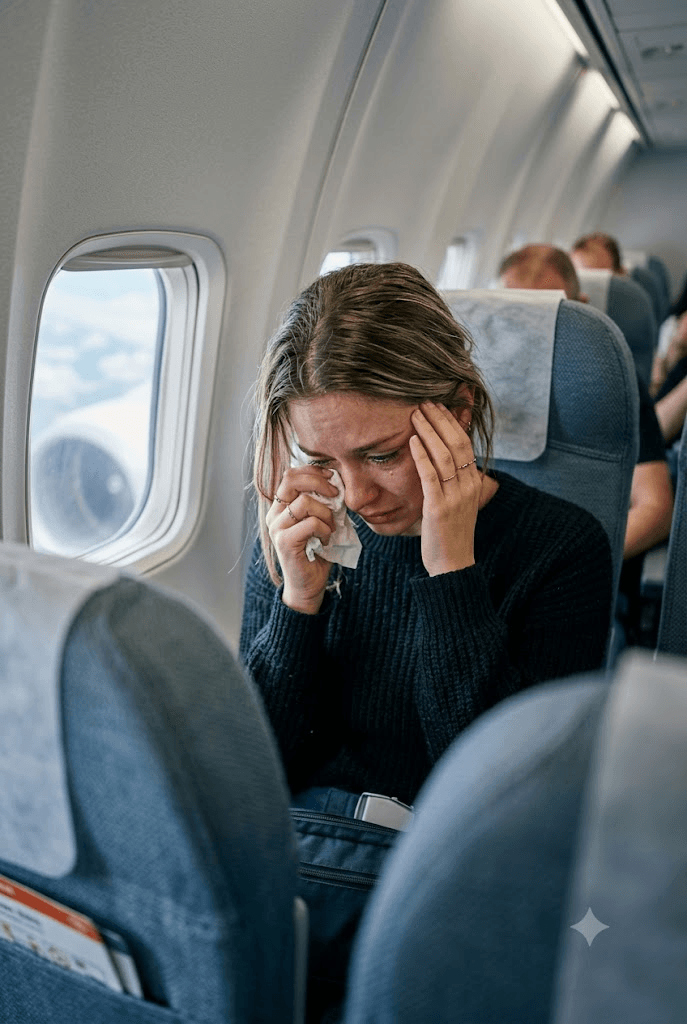
Every year, when the clocks fall back and daylight saving time ends, something quietly shifts. The evenings go dark earlier. Your energy dips. Your mood slumps without explanation. You find yourself reaching for the duvet at 7pm and wondering why everything feels harder. If this resonates, you are far from alone — and there are real, science-backed reasons why the end of daylight saving time hits so many of us so hard.
Understanding why this happens is the first step to managing it more effectively. Here are seven reasons the clock change affects your wellbeing, along with practical strategies to navigate each one.
1. Your Circadian Rhythm Is Disrupted
Your body runs on an internal clock — a biological rhythm of roughly 24 hours that governs when you sleep, when you wake, when you feel alert, and when your hormones peak. This circadian rhythm is primarily synchronised by light exposure. When daylight saving ends and the light schedule shifts suddenly by an hour, your internal clock is thrown out of sync with the external world.
Even a single hour’s disruption can take days to a week to fully adjust. During that adjustment period, you may feel groggy, unfocused, emotionally flat, or strangely fatigued at odd times. This is completely normal. Your body is not broken — it is recalibrating.
2. Less Daylight Affects Your Serotonin Levels
Light plays a direct role in the production of serotonin — the neurotransmitter closely associated with mood, wellbeing, and emotional stability. As daylight hours shorten after the clock change, many people experience a measurable drop in serotonin activity. For some, this is mild and manageable. For others — particularly those predisposed to seasonal affective disorder (SAD) — it can trigger significant depression.
Even if you do not experience clinical SAD, you may notice that you are less motivated, more irritable, or quicker to feel overwhelmed in the weeks following the clock change. This is your brain responding to reduced light input — not a character flaw, but a biological response.
3. Melatonin Production Increases Too Early
The hormone melatonin — which signals to your brain that it is time to sleep — is triggered by darkness. When daylight saving time ends and evenings get darker earlier, your body starts producing melatonin earlier in the evening. This can make you feel sleepy at 6 or 7pm, which then disrupts your normal sleep schedule and leaves you wide awake at 3am.
The result is a confusing mismatch between when your body wants to sleep and when your life actually requires you to be functional. Understanding how your sleep habits affect your mental health can help you put these disruptions into perspective and develop better sleep hygiene during the adjustment period.
4. Social Rhythms and Routines Are Thrown Off
Human beings are social creatures, and much of our daily rhythm is tied to shared social activities — commuting, school runs, evening plans, weekend activities. When the clock changes and evenings feel like night, social plans shift. People cancel. You cancel. The spontaneous after-work coffee or evening walk becomes less appealing when it is pitch dark by 5pm.
This social withdrawal compounds the biological impact of reduced light. Isolation and reduced connection are themselves risk factors for low mood. The combination of darker evenings and quieter social calendars creates a self-reinforcing cycle that many people do not even notice is happening until they are already deep in it.
5. Exercise Habits Often Decline After the Time Change
Many people rely on natural light for their exercise routines — an after-work run, a lunchtime walk, a morning cycle. When daylight saving ends and those light windows shrink, exercise routines are among the first things to suffer. The problem is that exercise is one of the most powerful natural antidepressants available. When we stop moving, our mood, energy, and resilience all drop.
Research consistently shows that regular physical activity significantly reduces symptoms of anxiety and depression. Losing the habit — even temporarily — during a period when you are already biologically susceptible to mood dips is a particularly unfortunate double hit.
6. Appetite and Cravings Change
The end of daylight saving time can shift your appetite. Shorter days and longer nights have historically been the body’s cue to eat more calorically dense foods in preparation for winter — a relic of our evolutionary past. In practice today, this can manifest as increased cravings for carbohydrates, sugars, and comfort foods in the weeks following the clock change.
These cravings are not signs of weakness or poor willpower. They are biological signals. Being aware of them allows you to respond thoughtfully rather than reactively. You can nourish your body in ways that support your mood — prioritising foods rich in tryptophan, magnesium, and omega-3 fatty acids — rather than simply reaching for whatever provides the most immediate comfort.
7. The Psychological Impact of “Losing” Daylight
There is a subtler, more psychological dimension to the end of daylight saving time. For many people, the moment the clocks change feels like a symbolic closing of a chapter — summer is unambiguously over, winter is here, and the bright, expansive feeling of long evenings is gone for months. This psychological response is real and valid, even if it is not always articulated.
The sense of grief or mild melancholy that some people feel is not irrational — it is a human response to loss of something genuinely pleasurable. Acknowledging this feeling, rather than dismissing it, is itself a form of emotional intelligence. You might explore what happens to your mind and body when you finally slow down — sometimes the change in season is actually an invitation to rest more deeply.
Practical Strategies for the Adjustment Period
Get as much natural light as possible in the mornings — even a 15-minute walk immediately after waking can help reset your circadian rhythm. Consider a light therapy lamp if you live at a latitude where winter light is genuinely scarce. Protect your sleep schedule by maintaining consistent bed and wake times even when your body is sending confusing signals. Keep social commitments, even small ones, to counteract the tendency toward winter isolation. And be gentle with yourself — the adjustment is real, and it typically passes within one to two weeks.
Understanding why self-care is not selfish is especially relevant during these seasonal transitions, when the temptation to push through discomfort rather than address it is at its strongest.
Frequently Asked Questions
How long does it take to adjust to the end of daylight saving time?
For most people, the circadian rhythm adjustment takes between three days and one week. However, mood-related effects — particularly those driven by reduced light exposure — can persist for several weeks, especially in people who are prone to seasonal mood changes. If symptoms feel significant or last more than a month, it is worth speaking with a healthcare professional about seasonal affective disorder.
Is it normal to feel sad when the clocks change?
Completely normal. A mild sense of melancholy, lower energy, and reduced motivation in the weeks following the end of daylight saving time is experienced by a significant proportion of the population. It becomes a clinical concern — SAD — when symptoms are severe enough to significantly impair daily functioning. Most people experience a sub-clinical version that, while unpleasant, is manageable with lifestyle adjustments.
Can a light therapy lamp really help with post-clock-change mood dips?
Yes — light therapy lamps that emit at least 10,000 lux are supported by substantial research as effective tools for managing seasonal mood changes, including full SAD. Used in the morning for 20–30 minutes, they help regulate circadian rhythms, support serotonin production, and suppress melatonin at the right time of day. They are widely available, relatively affordable, and recommended by many sleep specialists and psychiatrists.
Sources & further reading: Sleep.org: Daylight Saving Time and Sleep | NCBI: Circadian Rhythm and Mood Research | APA: Seasonal Changes and Mental Health.

Arlyn Parker is a wellness and mindfulness writer with a background in holistic health coaching. She completed her practitioner training in mindfulness-based stress reduction (MBSR) and holds a certification in positive psychology from an accredited UK provider. Over six years of working with clients navigating anxiety, burnout, and major life transitions gave Arlyn a front-row seat to what actually helps people create sustainable calm — and what doesn’t. Her own experience with burnout in her late 20s, and the slow, deliberate process of rebuilding her health and habits, is the foundation of everything she writes. Arlyn’s work is not about aspirational wellness — it’s about practical, evidence-informed strategies for people living real, complicated lives.